
A stabilized rating cannot be cut on one bad exam
Once a rating has been in place for 5 years, the VA cannot reduce it unless your record shows sustained, material improvement - not a single good day at one exam. One snapshot is never enough.
All information & resources here are free. Optional accredited representation is a paid service - and upfront fees for an initial VA claim are never allowed.
100% Permanent & Total
At 100% Permanent and Total, you and your family become eligible for far more than the monthly payment. That can include dental and hearing care, CHAMPVA coverage for your spouse and children, education benefits for dependents, and adapted-housing grants. Many of these are never mentioned in your award letter, so families miss them for years. Here is the full picture, laid out in plain language so you can claim everything you have earned.
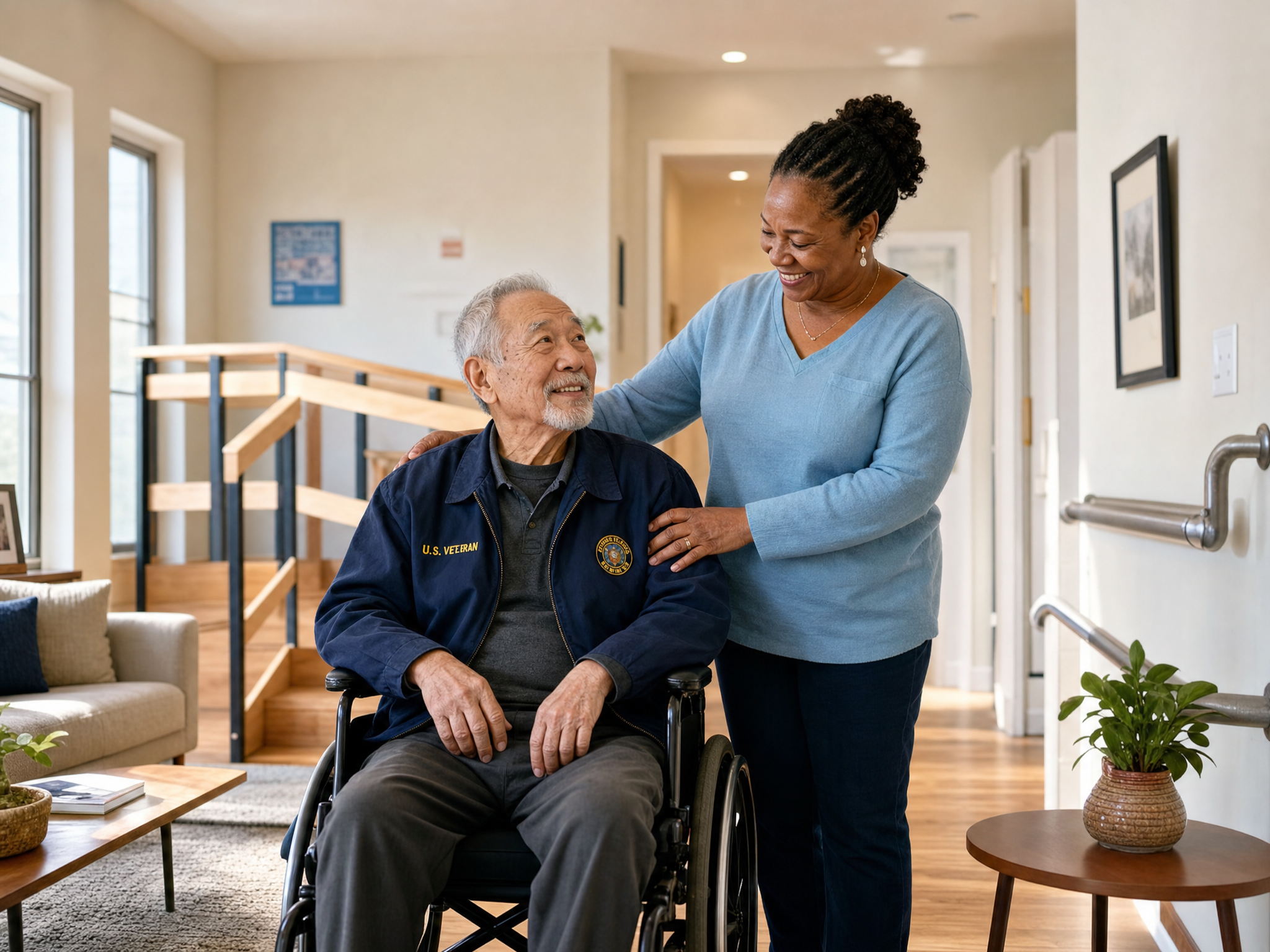
A Permanent and Total rating is more than the top disability percentage on your paperwork. It is a status that quietly opens doors for you and your whole family, and most veterans are never told what those doors are. It can mean protection from future reviews, health coverage and education for your dependents, property tax relief in many states, and more. Read what P&T actually unlocks below, because leaving these benefits unclaimed is the same as leaving money on the table.
What it means
A Permanent and Total (P&T) rating means two things at once: the VA has rated you 100 percent disabled, and it has decided your condition is not expected to get better. Because it is permanent, the VA generally stops scheduling re-examinations - your rating is secure.
Why it matters
That single status unlocks a whole layer of extra benefits, and it reaches your spouse and children too. Many families never claim these simply because no one told them they existed. This page lays them out in plain language so you can.
Permanent and Total is the strongest protection there is - but even ratings that are not labeled permanent get **harder to touch the longer you hold them**. Four VA rules do the protecting. Knowing them stops the VA from quietly chipping a rating away, and stops you from panicking when a re-exam letter lands in the mailbox.
Once a rating has been in place for 5 years, the VA cannot reduce it unless your record shows sustained, material improvement - not a single good day at one exam. One snapshot is never enough.
After 10 years, the VA can no longer sever the service connection for a condition - the tie to your service is permanent - except in the rare case of proven fraud. The percentage can still move, but the service connection itself is safe.
A rating held continuously for 20 years cannot be reduced below the lowest level it has been at during that time - again, barring fraud. Two decades makes your rating effectively permanent.
As a matter of policy the VA generally does not schedule routine re-examinations for veterans age ##55## or older, recognizing conditions are unlikely to improve with age. Most older veterans simply stop getting re-exam letters.
What this means for P&T
Because your rating is Permanent and Total, the VA has already decided your condition will not improve - so it generally will not schedule re-exams at all, at any age. The four rules above are your backstop if that status is ever questioned.
At 100 percent P&T you move into the highest priority group for VA health care, and you finally get the dental coverage most veterans are shut out of.

You are placed in Priority Group 1, the top group. You pay no copays for VA appointments, hospital stays, or prescriptions.

A 100 percent P&T rating qualifies you for complete VA dental care - exams, cleanings, fillings, dentures, and more. Most other veterans get no VA dental at all, or must buy into the VADIP (Delta Dental / MetLife) discount program instead.
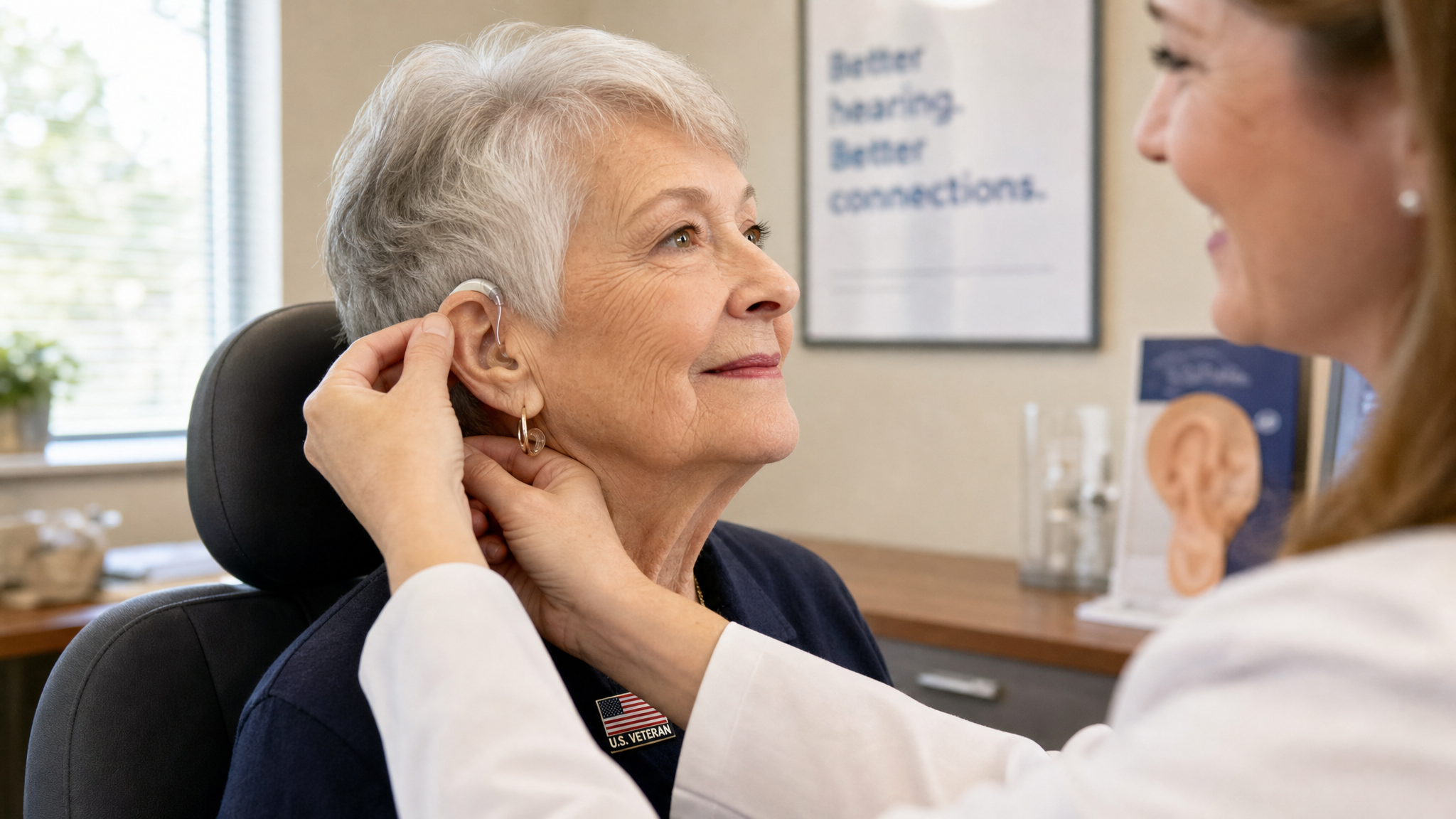
Enrolled veterans get hearing aids and eyeglasses at no cost when eligible, including free batteries, repairs, and replacements. Hearing loss and tinnitus are among the most common conditions for aging veterans.
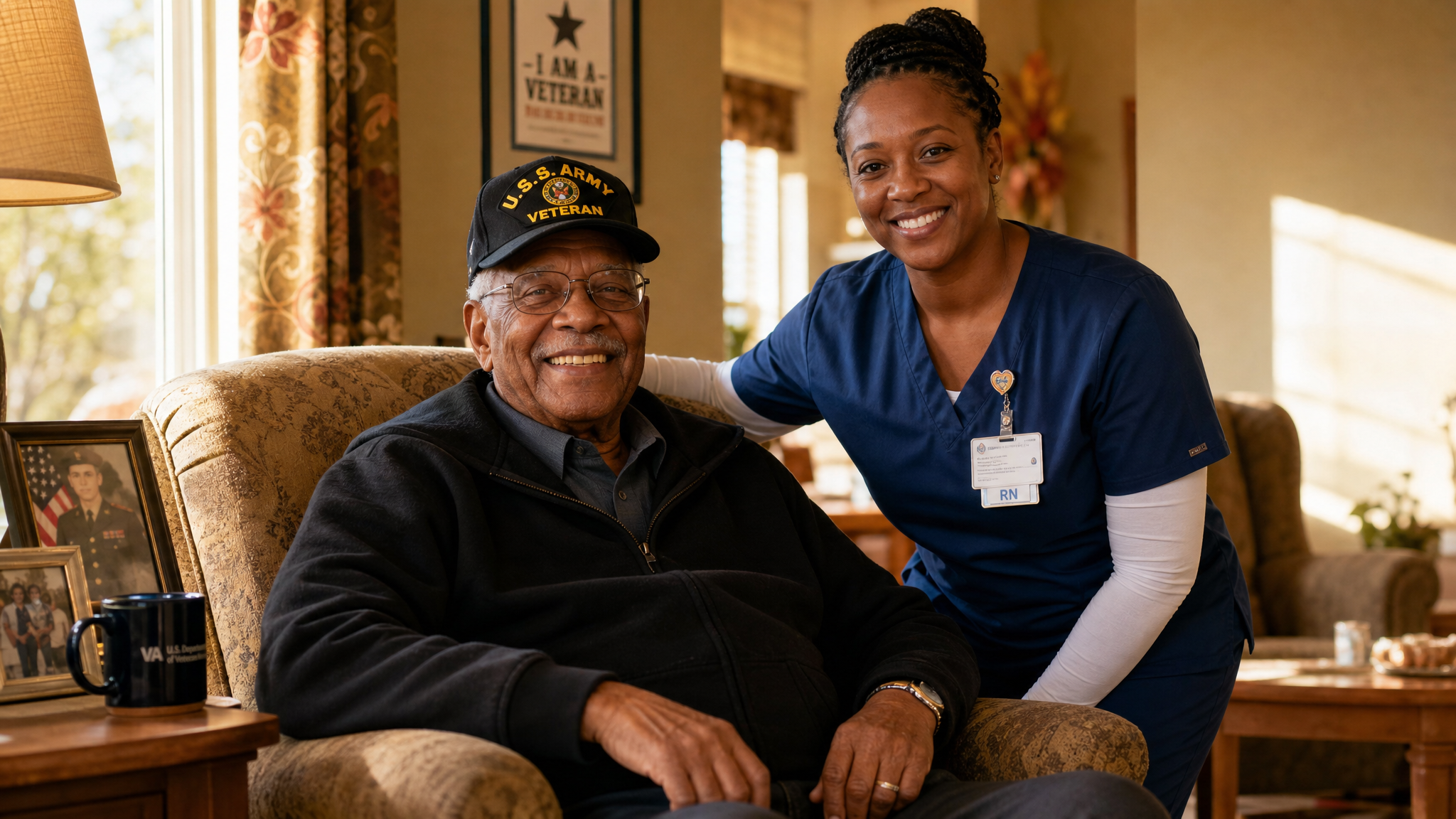
The VA also covers prosthetics, wheelchairs, walkers, hospital beds, and other medical devices prescribed for your care - delivered and serviced through VA.
This is the part families miss most. A P&T rating extends health care and education to your spouse and children.
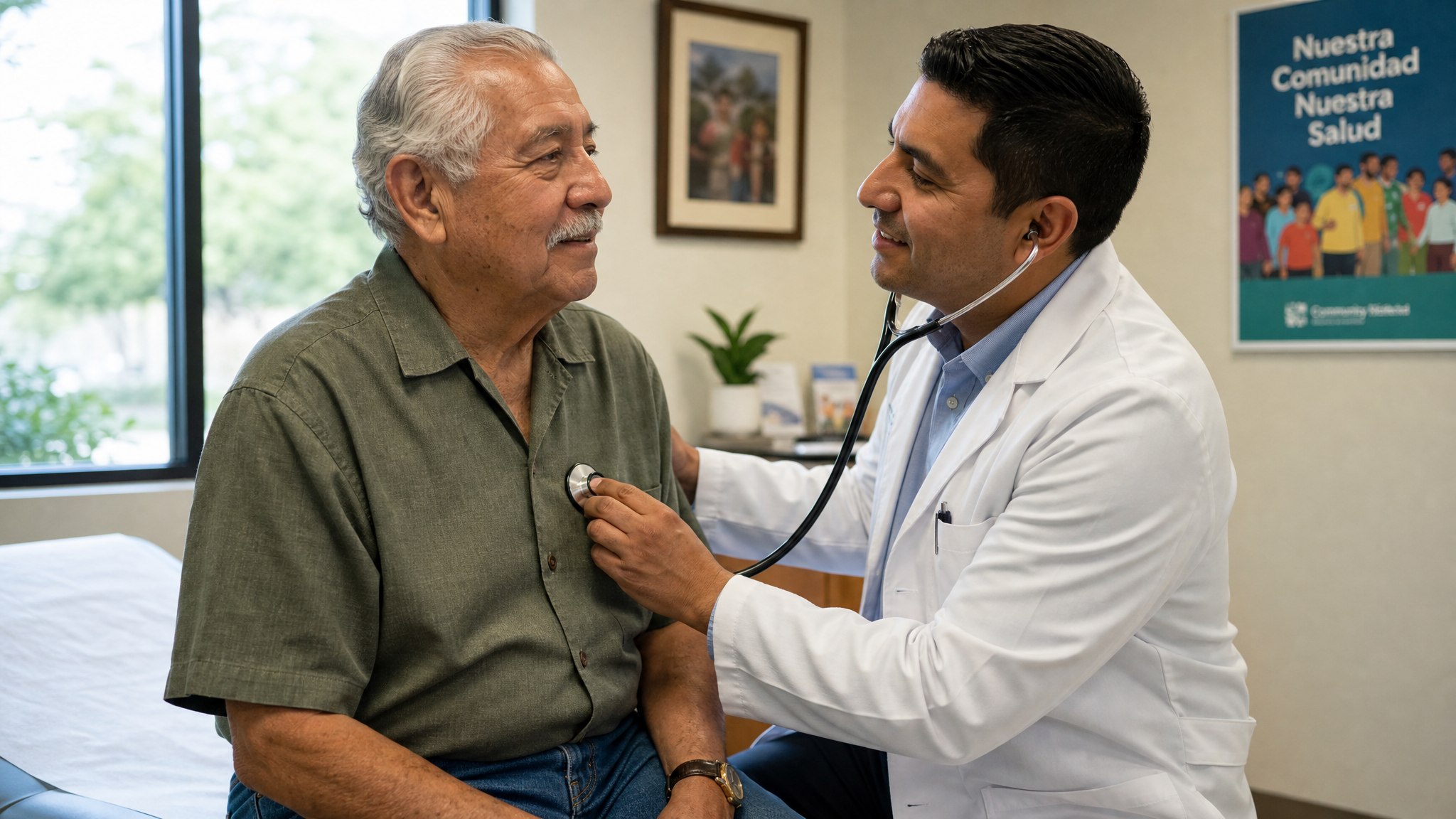
Your spouse and dependent children can get CHAMPVA, which covers roughly 75 percent of most medical costs when they are not eligible for TRICARE. This is one of the most valuable P&T benefits.

The Survivors' and Dependents' Education Assistance (Chapter 35 / DEA) program helps pay for your spouse's or children's college, training, or certificate programs - often 36 months of benefits.
Because you are rated at least 30 percent, your monthly payment includes extra money for a spouse, children, and dependent parents.
At 100 percent you receive the maximum tax-free monthly compensation, plus tax breaks and debt relief that add up quickly.
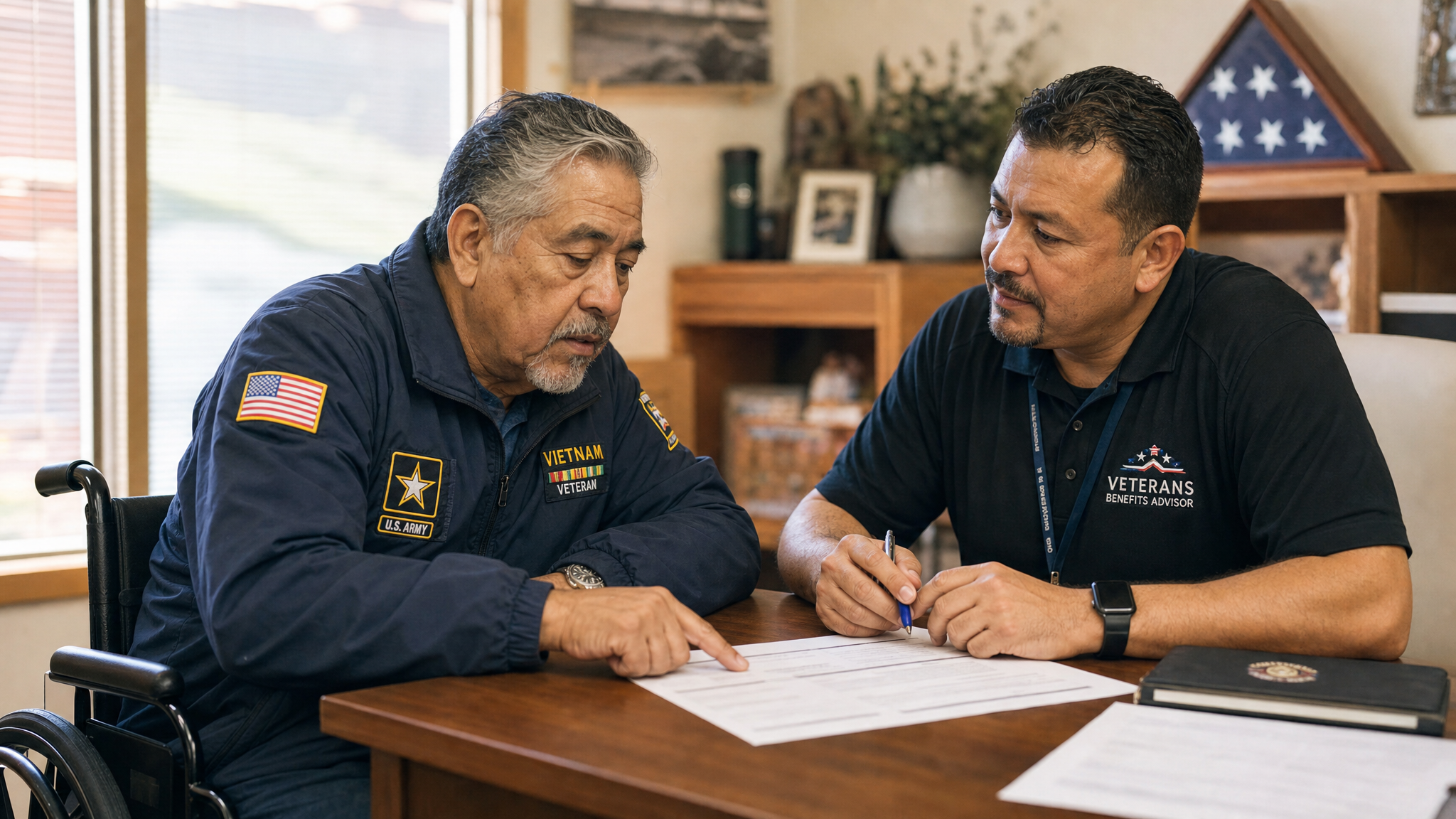
You receive the top VA disability rate - over ##$4,000 per month## for a veteran with dependents - and it is completely tax-free.
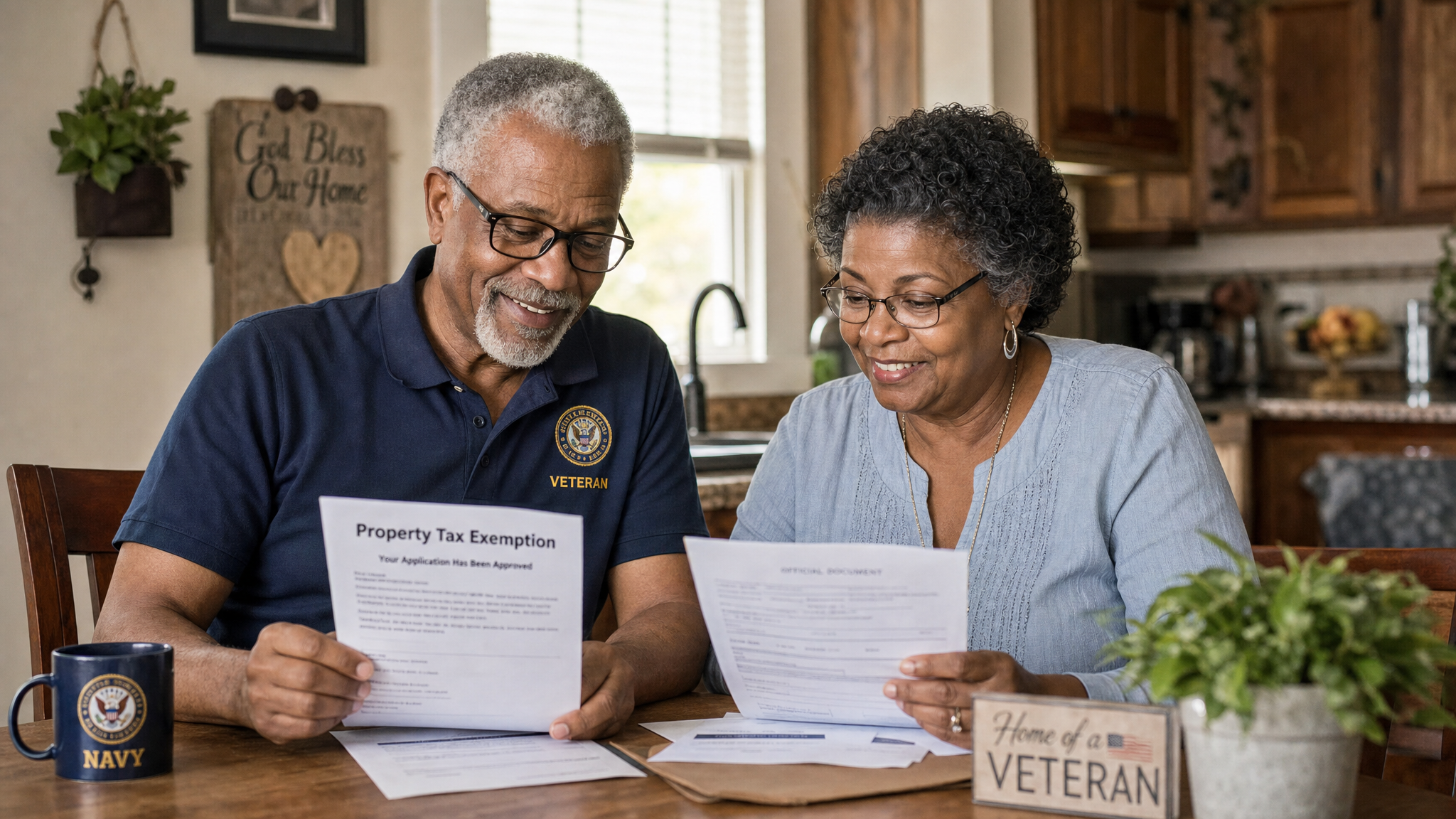
Most states offer a full or partial property-tax exemption for 100 percent P&T veterans. In some states your home's property tax drops to $0. Rules vary by state.

A P&T rating can discharge your federal student loans through Total and Permanent Disability discharge - and the VA now shares your status so it can happen automatically.

If a device or medication damages your clothing, you may claim a yearly clothing allowance paid as a lump sum.
Highlighted for good reason: the adapted-housing grants can pay for the changes that let you stay in your own home safely.
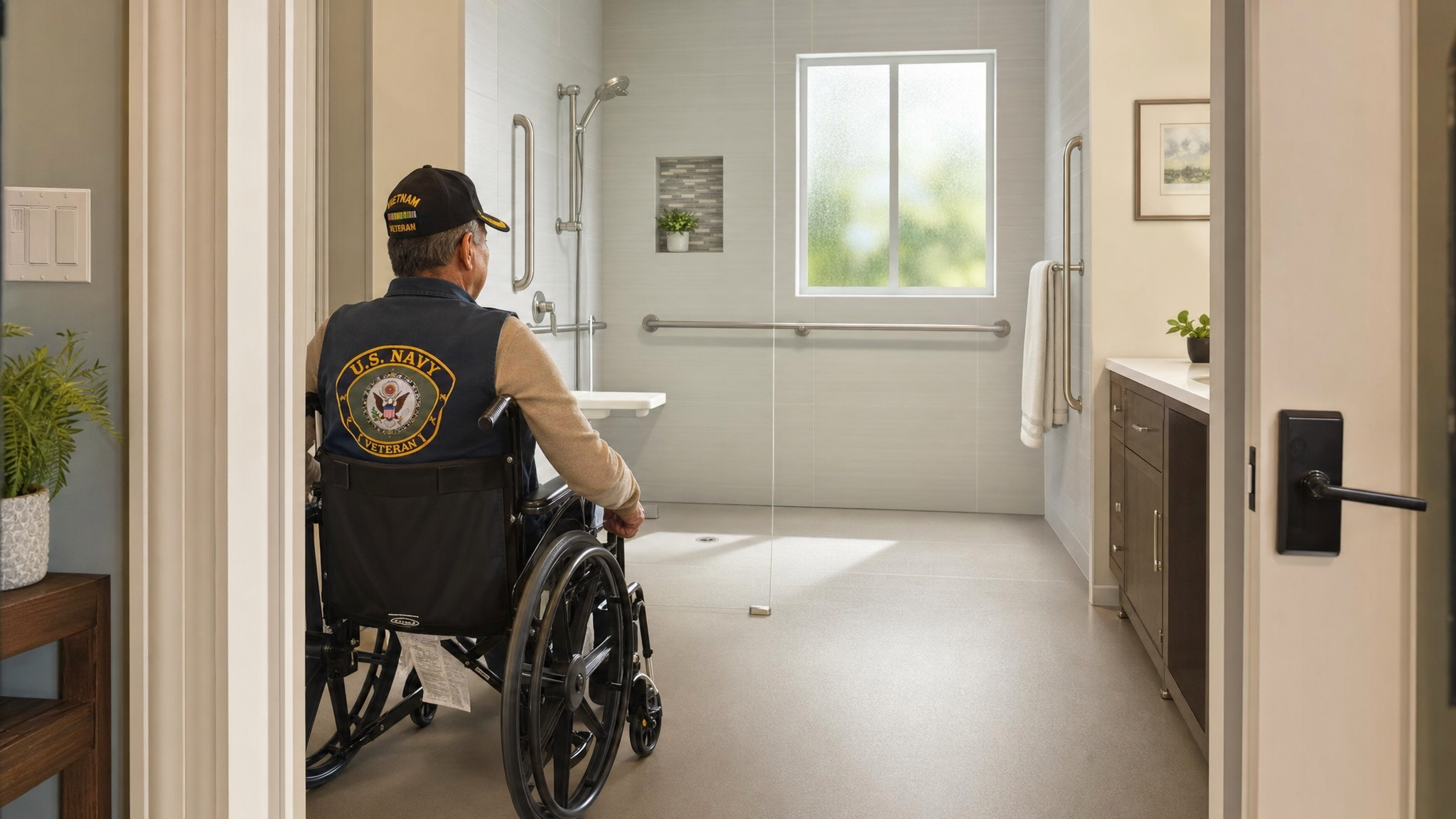
The largest home grant - up to about ##$126,526## per fiscal year - to build, buy, or remodel a home for wheelchair access: widened doorways, roll-in showers, and more.
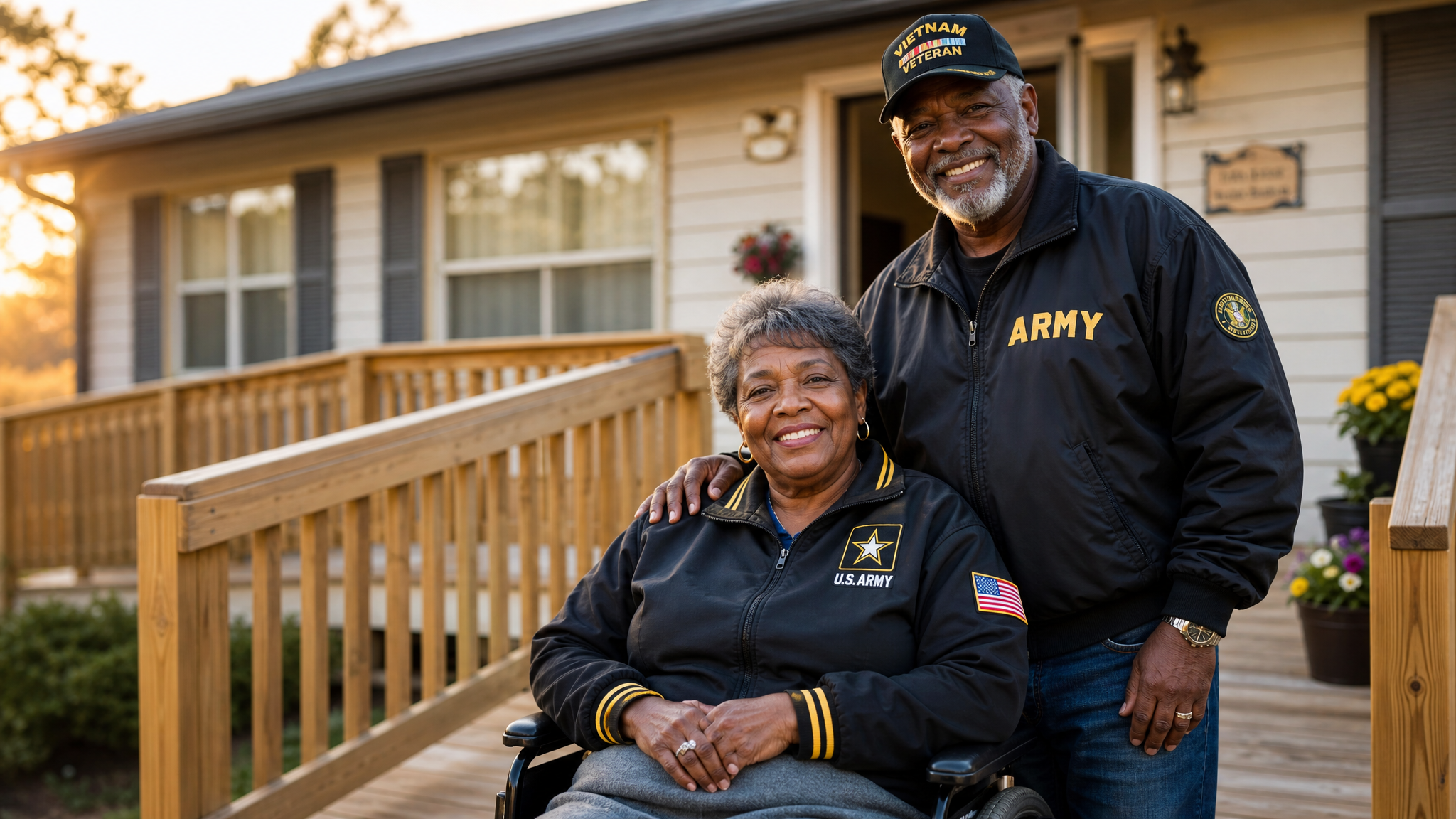
A second grant - up to about ##$25,350## per fiscal year - for adaptations tied to certain conditions such as blindness or the loss of use of both hands.

The Home Improvements and Structural Alterations (HISA) grant covers ramps, grab bars, widened doorways, and roll-in showers - available even without the larger SAH or SHA grant.

You may qualify for a one-time automobile allowance and adaptive-equipment grant, and disabled veterans pay no VA home-loan funding fee.
Smaller perks that make daily life easier and more affordable - and they last a lifetime.

A Veteran Health Identification Card gives service-connected veterans access to on-base commissary and exchange shopping and MWR facilities.

Veterans with a permanent disability qualify for a free lifetime America the Beautiful Access Pass to national parks and federal recreation lands.
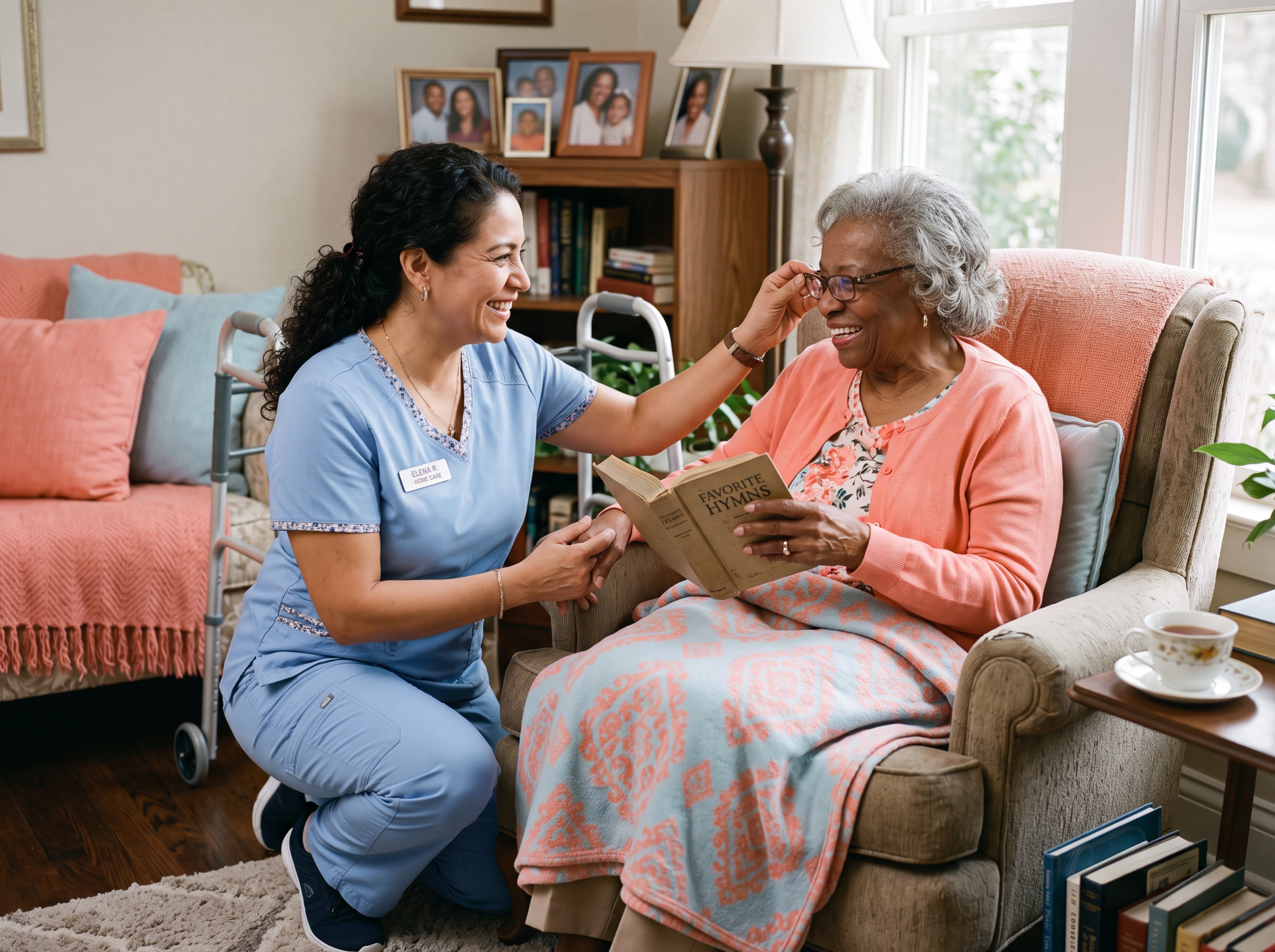
Many states add their own benefits - free or reduced vehicle registration, hunting and fishing licenses, and state park entry. Check your state's veteran affairs office.
Having a benefit and using a benefit are two different things. Here is exactly how to turn a P&T rating into real coverage for you and your family - the forms, the phone numbers, and where to go.
Apply with VA Form 10-10EZ - online at VA.gov, by mail, or in person at any VA medical center. A 100 percent P&T rating places you in Priority Group 1 with no copays. Stuck? Call the VA Health Benefits hotline, ##877-222-8387##. You must be enrolled in VA health care before you can get your ID card, so this is step one.
Your spouse and dependent children get their own coverage through CHAMPVA using VA Form 10-10d - this is separate from your health care, and the veteran does not add family through the 10-10EZ. Send the 10-10d with a copy of your marriage or the children's birth records and any Medicare card to the VHA Office of Community Care in Denver, or apply online. Questions go to the CHAMPVA line, ##800-733-8387##.
Once you are enrolled in VA health care, request your Veteran Health Identification Card (VHIC) at va.gov/records/get-veteran-id-cards or at your VA medical center - bring a government photo ID. When it arrives, check that it shows your eligibility line, "SERVICE CONNECTED." The VHIC is the card that proves eligibility for commissary, exchange, and MWR access.
Rated 100 percent? You may also qualify for a full military (DoD) ID card, which gives broader base privileges than the VHIC. These are issued at a military ID card office (RAPIDS site) - find the nearest one and book an appointment through the ID Card Office Online locator at idco.dmdc.osd.mil/idco. The first time you drive onto a base with any card, stop at the Visitor Control Center to register for recurring access.
For families
If a veteran was rated 100 percent Permanent and Total for the 10 years right before they died - and in some cases for shorter periods - their surviving spouse and children may still qualify for monthly DIC payments, continued CHAMPVA health coverage, and DEA education benefits. The cause of death does not always have to be service-connected.
See survivor & family benefitsFor information purposes only - this is not legal, financial, or medical advice. The Aging Veteran is a private service and is not part of, or endorsed by, the U.S. Department of Veterans Affairs. Benefits are subject to VA eligibility rules. Always confirm your specifics on va.gov or with a qualified professional.
Two ways to move forward — both free
Ask our free assistant which of these benefits you and your family may not have claimed yet, from CHAMPVA to housing grants. Tell it a little about your situation and it will point you to what fits. If something looks promising, we can help you understand the form and how to file. There is no cost to ask, and no obligation to go any further.
Ask a question, learn what you may be owed, or find out where you stand. Confidential, free, and no obligation to go any further.
Decided you want us to work your claim? Registering is free — we match you with an accredited advocate and get you started. We cannot begin until you sign VA Form 21-22a, and fees, if any, are always disclosed up front.
It is not too late
Far too many veterans - older veterans most of all - decide on their own that they are too old, that they waited too long, or that because nobody ever gave them the information they must be out of the game. Nothing could be further from the truth. When you file a disability claim, the VA does not look at your age. There is no age limit and no deadline on filing a first claim, and veterans in their fifties, sixties, seventies and beyond are approved every single day.
That is the entire point of this website: to make you aware of the benefits you are entitled to right now, as an aging veteran, so you can protect your health, protect your family, and protect your benefits. So do not give up, do not talk yourself out of it, and do not wait until you are no longer able to seek care. The best day to start was years ago. The next best day is today.

“I’m too old for this.”
There is no age limit on a VA claim. The VA does not look at your age - it looks at whether your condition is connected to your service.
“I waited too long, so I missed my chance.”
There is no deadline to file a first claim. You can file decades after you separated, and your effective date starts protecting you the day you file.
“I never got the information, so I’m out of the game.”
Nobody handed most veterans a list of what they earned. That is exactly why this site exists - the facts are here, in plain language, at no cost.
“I’ll deal with it when I really need care.”
Do not wait until you are too sick to fight for it. Filing while you can still gather records and attend exams is the single biggest advantage you have.
Both options are free · No obligation
Talking to a VA-accredited claims agent costs nothing either way. Pick the one that fits: get answers to your questions, or register to hire us to take on your claim.
Free information — just ask
Tell us what’s going on or what you’d like to know. We’ll read your question and get back to you personally — no cost, no obligation.

Ready to hire us? Register with us
For veterans who’ve decided they want us on their claim — registering is free too, and it does not make you our client or obligate you to anything. Here is exactly how it works:
It involves the registration form and signing VA Form 21-22a — by law we can’t accept your claim, work on it, or contact the VA for you until that power of attorney is signed. You decide whether to move forward.
An accredited agent personally reviews every request — we’ll reach out within 48 hours.