
Survivors
Support for Surviving Families
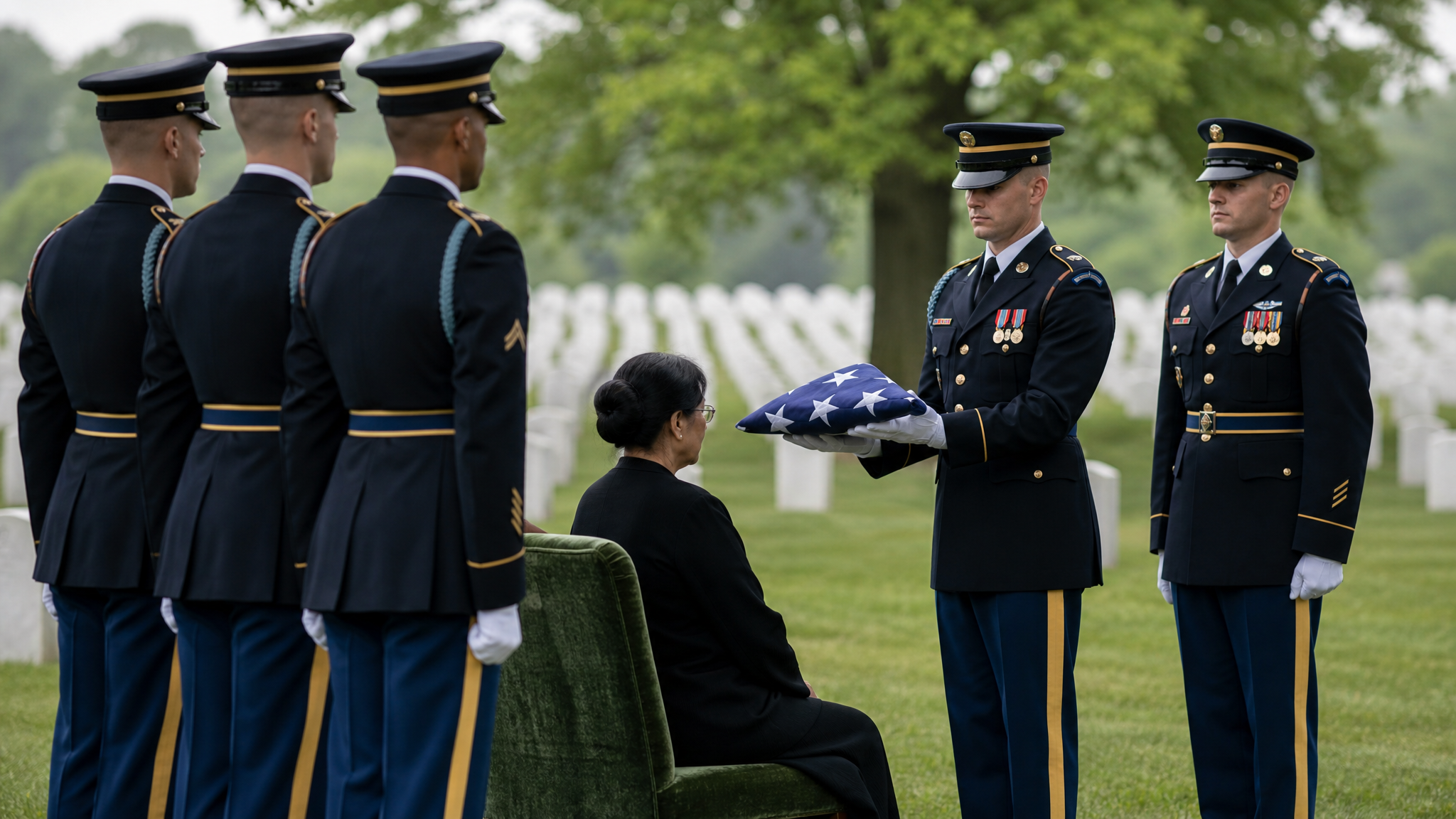
If your veteran has passed, please accept our deepest condolences. When you are ready, and only then, we will gently walk you through the benefits your family may still be entitled to. Many surviving spouses and children never claim what they are owed simply because no one sat down and explained it to them. There is no cost to learn where you stand, and no one here will ever rush you or pressure you.
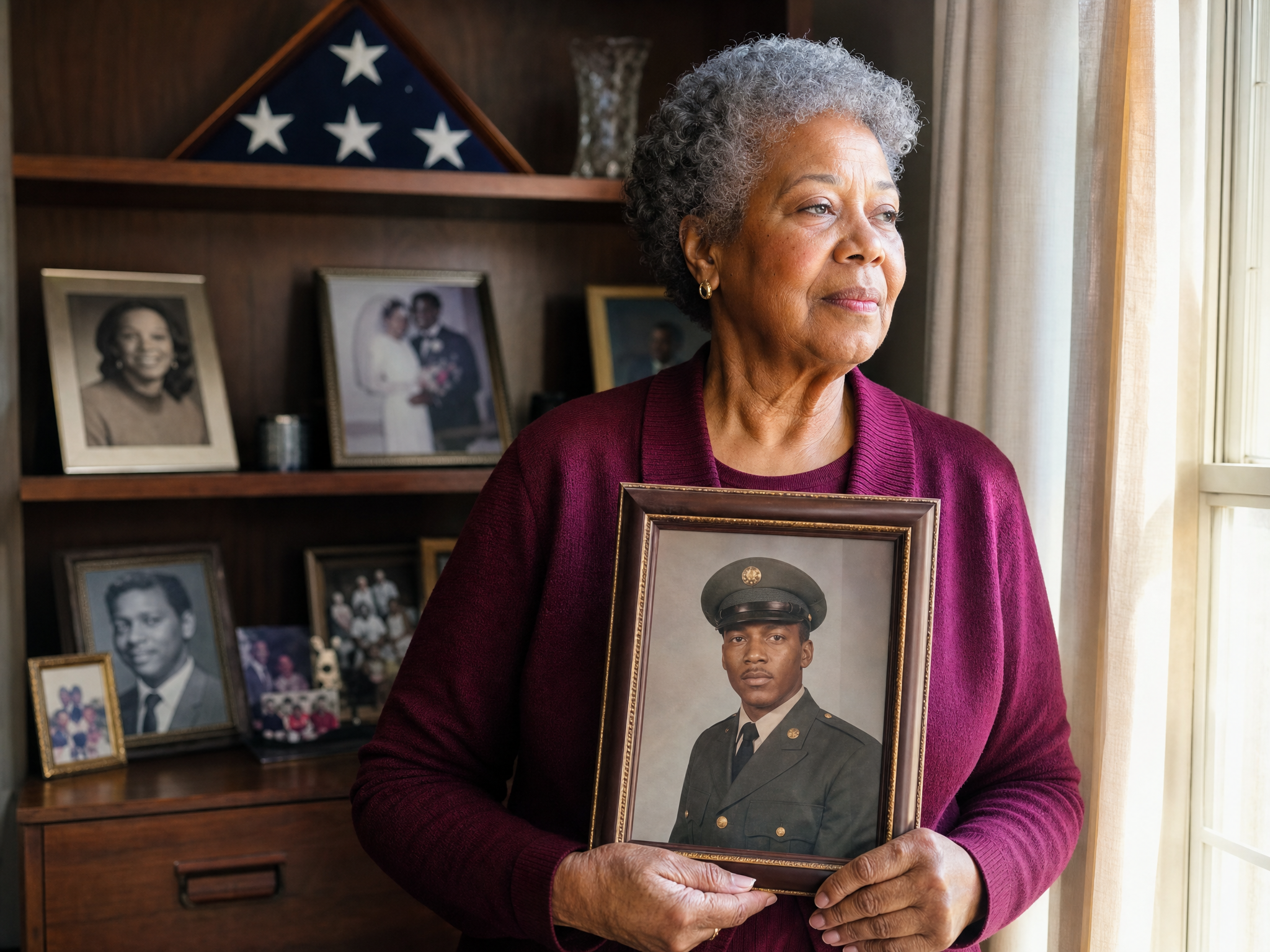
You are not alone in this
If your veteran has passed, please accept our deepest condolences from one military family to another. When you are ready, and only when you are ready, we will gently walk you through the survivor benefits your family may be entitled to. There is no rush and no pressure, just a steady hand through a process that was never made simple. You served alongside them in your own way, and now it is our turn to serve you.
Dependency & Indemnity Compensation (DIC)
A tax-free monthly benefit for eligible surviving spouses, children, and parents.
Survivors Pension
Monthly income support for eligible surviving spouses with limited resources.
Burial & Memorial Benefits
Assistance with funeral expenses, a government headstone, and military honors.
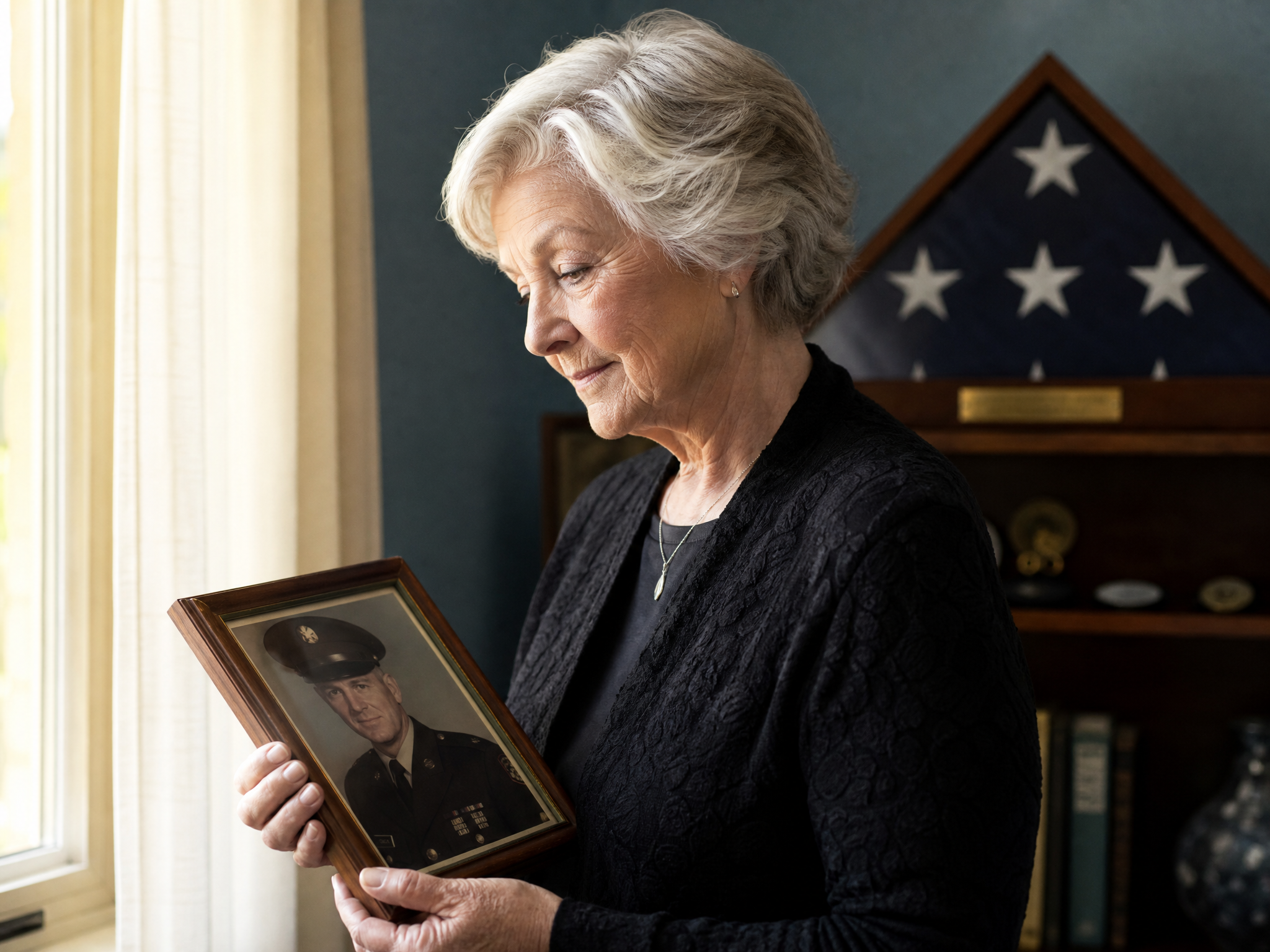
For veterans still living — read this first
Your disability check stops the day you die. Protect your spouse now.
Here is the hard truth most families never hear: VA disability compensation is paid only to the veteran, for the veteran’s specific service-connected conditions. It is not a retirement fund and not an inheritance. If you are rated 100% and receive roughly $3,900 a month, that check does not transfer to your spouse — it stops the moment you take your last breath. The only way to keep tax-free income flowing to the person you leave behind is to build a Dependency and Indemnity Compensation (DIC) pathway while you are still alive.
While you are living
~$3,900/mo
100% disability compensation — the foundation your household plans around.
The day you pass — with no plan
$0/mo
The check ends abruptly. Without a DIC pathway in place, your spouse receives nothing from that income stream.
The safety net
DIC replaces the gap with tax-free income for life
DIC is a tax-free monthly benefit paid to eligible survivors. It is not needs-based — your spouse’s income and assets do not matter. With the 8-year longevity kicker (100% P&T for eight continuous years, married the whole time), it climbs to about $2,060 a month.
$1,699.36/mo
2026 surviving-spouse base rate — tax-free
Your spouse qualifies through one of two pathways — build toward both
Pathway 1
Service-connected death
Your death must be caused or “substantially contributed to” by a condition the VA already recognizes as service-connected.
Die of a heart attack that was never service-connected, and this pathway pays nothing — even if you were 100% for PTSD.
Pathway 2
The 10-year rule
Rated 100% P&T or TDIU for at least 10 continuous years immediately before death — regardless of the eventual cause of death.
The decade must be unbroken. A drop to 90% in the middle resets the clock.
100% is not the finish line — insulate your spouse
Service-connect the conditions most likely to be your cause of death now, even when they do not raise your monthly pay. Heart disease is the leading cause of death for male veterans — and PTSD, sleep apnea, weight gain from service-connected medications, and toxic exposure can all build a secondary pathway to it. Every condition you connect today is a potential “contributory cause” that guarantees your spouse’s DIC tomorrow. Think of it as life insurance you file with the VA.
Includes the substitution-of-claimant rule, the survival-document checklist, and the remarriage-after-55 exception.
Five programs most families never hear about
The VA has separate benefit programs for surviving spouses, children, and parents. Most families know about one or two. Very few know about all five. Each has its own form, its own rules, and its own money.
Dependency & Indemnity Compensation (DIC)
A tax-free monthly payment of about $1,699 for eligible surviving spouses when the veteran died from a service-connected condition - or was rated totally disabled for at least 10 continuous years before death. Children and dependent parents may also qualify. If the veteran was rated 100% for 8 or more years, a surviving spouse receives an additional $360.85 per month.
Surviving spouses, children, and dependent parents
Survivors Pension
A needs-based, tax-free monthly payment for surviving spouses of wartime veterans whose income and net worth are below the VA limits. The 2026 maximum pension rate is about $12,117 per year for a surviving spouse alone, and substantially higher with Aid and Attendance added. Unlike DIC, this is not about a service-connected death - it is about financial need.
Surviving spouses of wartime veterans with limited income
CHAMPVA health coverage
Health insurance for the surviving spouse and children of a veteran who was permanently and totally disabled or who died from a service-connected condition. CHAMPVA covers doctor visits, prescriptions, hospital stays, mental health care, and more. If you qualify for DIC, you very likely qualify for CHAMPVA too.
Surviving spouses and children who are not eligible for TRICARE
Education benefits (DEA & Fry Scholarship)
Chapter 35 (DEA) and the Marine Gunnery Sergeant John David Fry Scholarship help pay for college, trade school, or job training for surviving spouses and children. DEA provides up to 36 months of education benefits. The Fry Scholarship covers full in-state tuition plus a monthly housing allowance and a book stipend - it is one of the most generous education benefits available.
Surviving spouses and children
Home loan and housing
Many surviving spouses can use the VA home loan guarantee - a mortgage with no down payment, no private mortgage insurance, and competitive interest rates. This benefit alone can save a family tens of thousands of dollars. Surviving spouses of veterans who died from service-connected conditions are generally eligible.
Eligible surviving spouses
There may be more
Life insurance (SGLI/VGLI), burial benefits, and a Presidential Memorial Certificate are additional benefits your family may be owed. The topic pages below cover each one in full.
The Survivor's Benefit Manual
We gathered every benefit your family may be owed, the exact form to file, and the number to call into one calm guide - so you are not left searching at the hardest time. Read it here, print it, or save it as a PDF and keep it by the phone.
- Every survivor benefit explained in plain language
- The forms and phone numbers, all in one list
- Print it or save it as a PDF to keep

What to do, and when
You do not have to do everything at once, and you should not try to. We have laid out the benefits process in calm stages, the first days, the first month, and beyond, so you always know the next small step to take. Grief and paperwork are a hard mix, and there is no prize for rushing through it. Move at the pace that feels right for you, and lean on us whenever a step feels like too much.
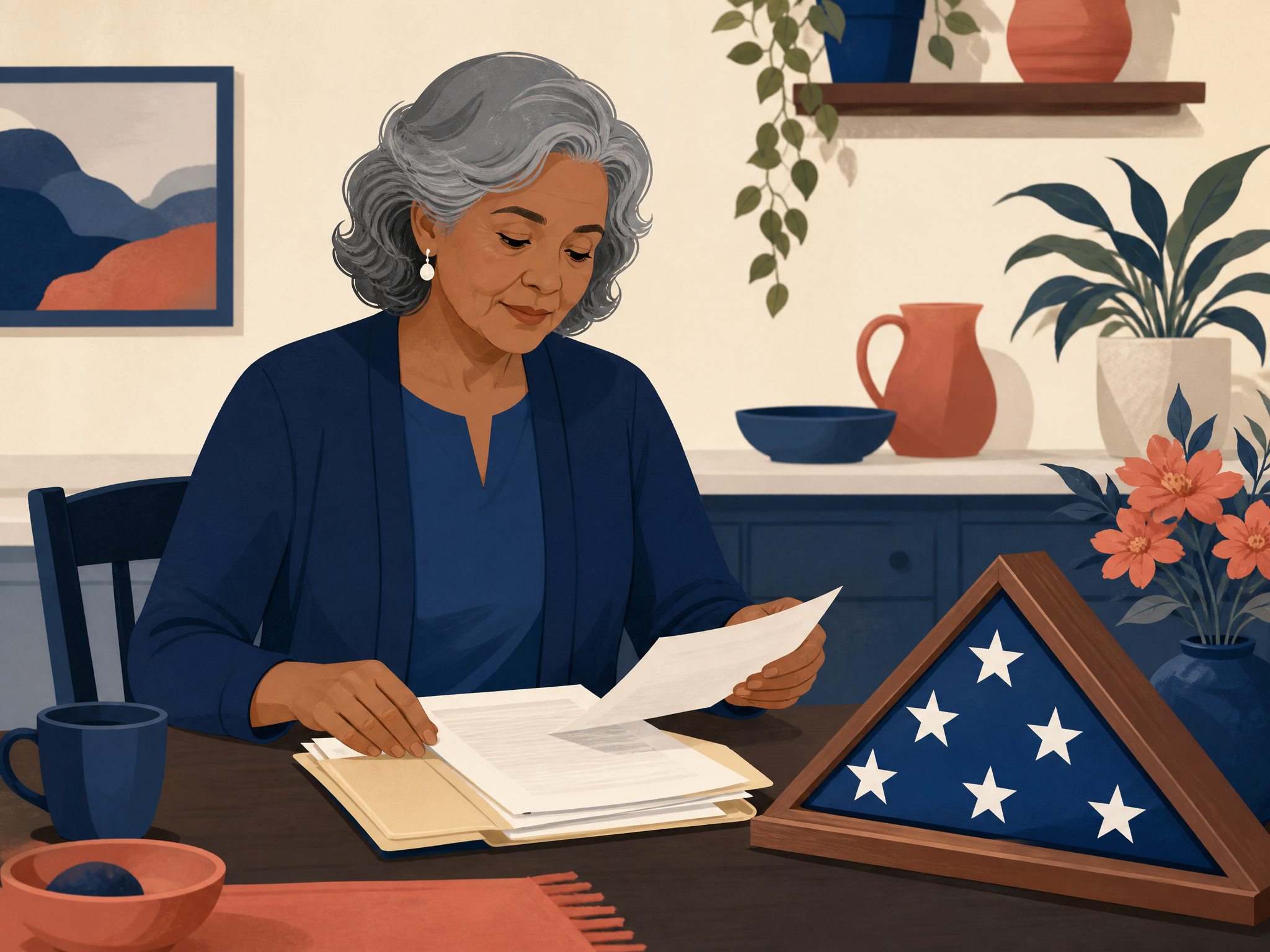
FIG. 01 - PROTECT THE PAPERWORK
Right away
In the first days
There is no rush on benefits yet. These first steps simply protect your options while you focus on family and arrangements.
Order at least 10 certified copies of the death certificate.
Almost every agency and insurer will ask for an original - it is far easier to get extras now.
Find the veteran’s discharge papers (the DD-214).
This one document unlocks nearly every VA survivor benefit. If you cannot find it, we can help you request a copy.
Tell the funeral director your loved one served.
They can arrange military funeral honors and often help start some of the VA burial paperwork.
Do not spend any VA payment for the month of death or later.
Some payments have to be returned. If you are eligible for DIC, it is handled for you - just set the money aside until you know.
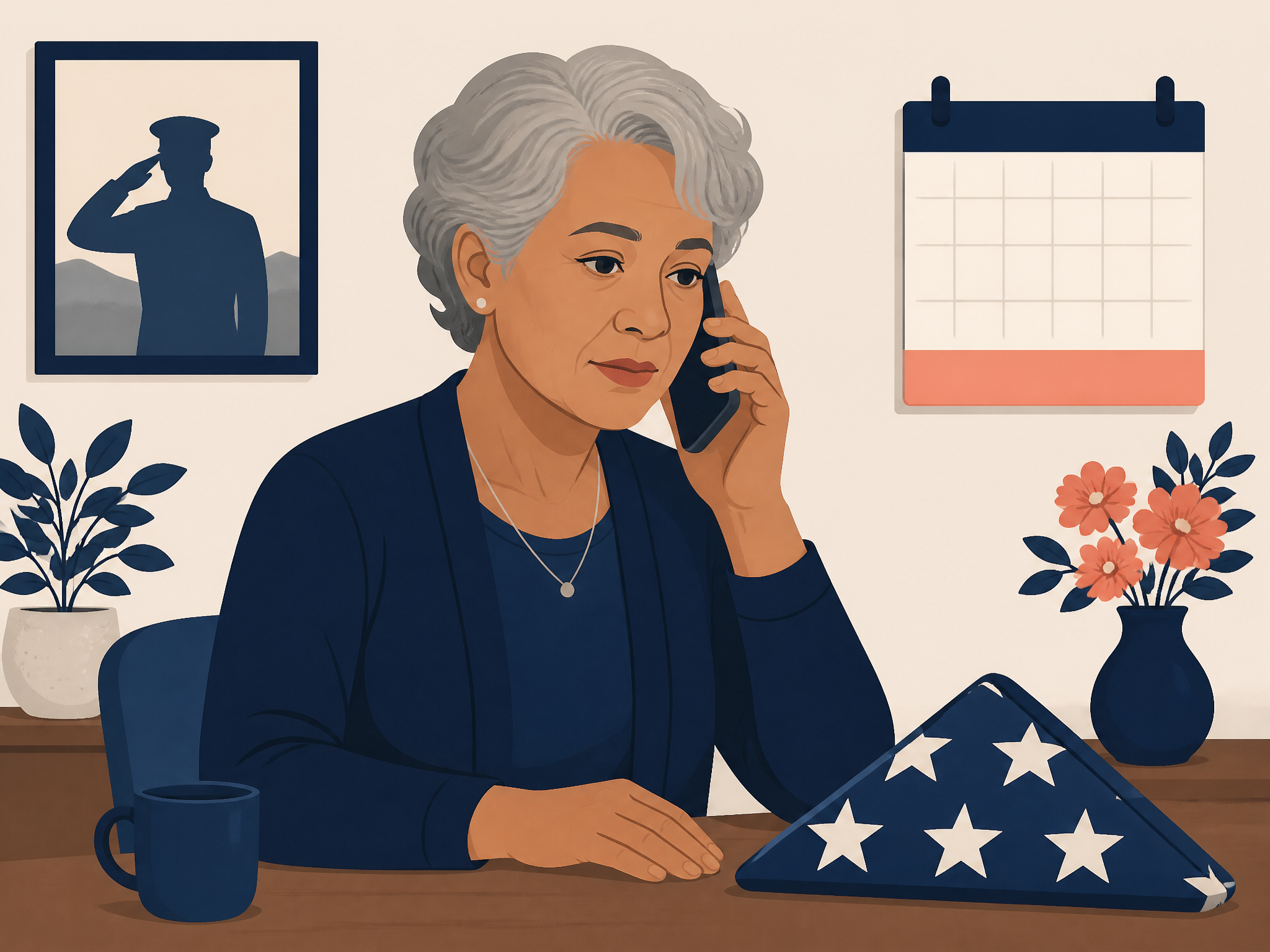
FIG. 02 - REPORT & ARRANGE HONORS
Weeks 1-4
First 30 days
Now we report the death and take care of the burial and memorial honors your veteran earned.
Report the death to the VA.
Call the VA at 1-800-827-1000. Have the DD-214 and death certificate nearby.
Arrange burial honors or apply for a burial allowance.
Burial in a VA national cemetery is free - call the scheduling office at 1-800-535-1117. For a private burial, apply for help with VA Form 21P-530EZ.
Learn moreRequest a free headstone, marker, or medallion.
Use VA Form 40-1330. You can also ask for a free Presidential Memorial Certificate signed in the veteran’s honor.
Learn moreNotify Social Security.
Call 1-800-772-1213. A surviving spouse may qualify for a one-time payment and monthly survivor benefits.

FIG. 03 - FILE THE MONTHLY BENEFITS
Month 2
Days 31-60
These are the monthly benefits that replace lost income. One VA form covers most of them - we can fill it out with you.
File for DIC, Survivors Pension, and Accrued Benefits together.
All three are claimed on a single form: VA Form 21P-534EZ. A surviving parent uses VA Form 21P-535 instead.
Learn moreFile any life insurance claim.
If the veteran had SGLI or VGLI coverage, call the insurance office at 1-800-419-1473 to start the claim.
Learn moreApply for CHAMPVA health coverage if you qualify.
Use VA Form 10-10d, or call 1-800-733-8387. It can cover a surviving spouse and children.
Learn more
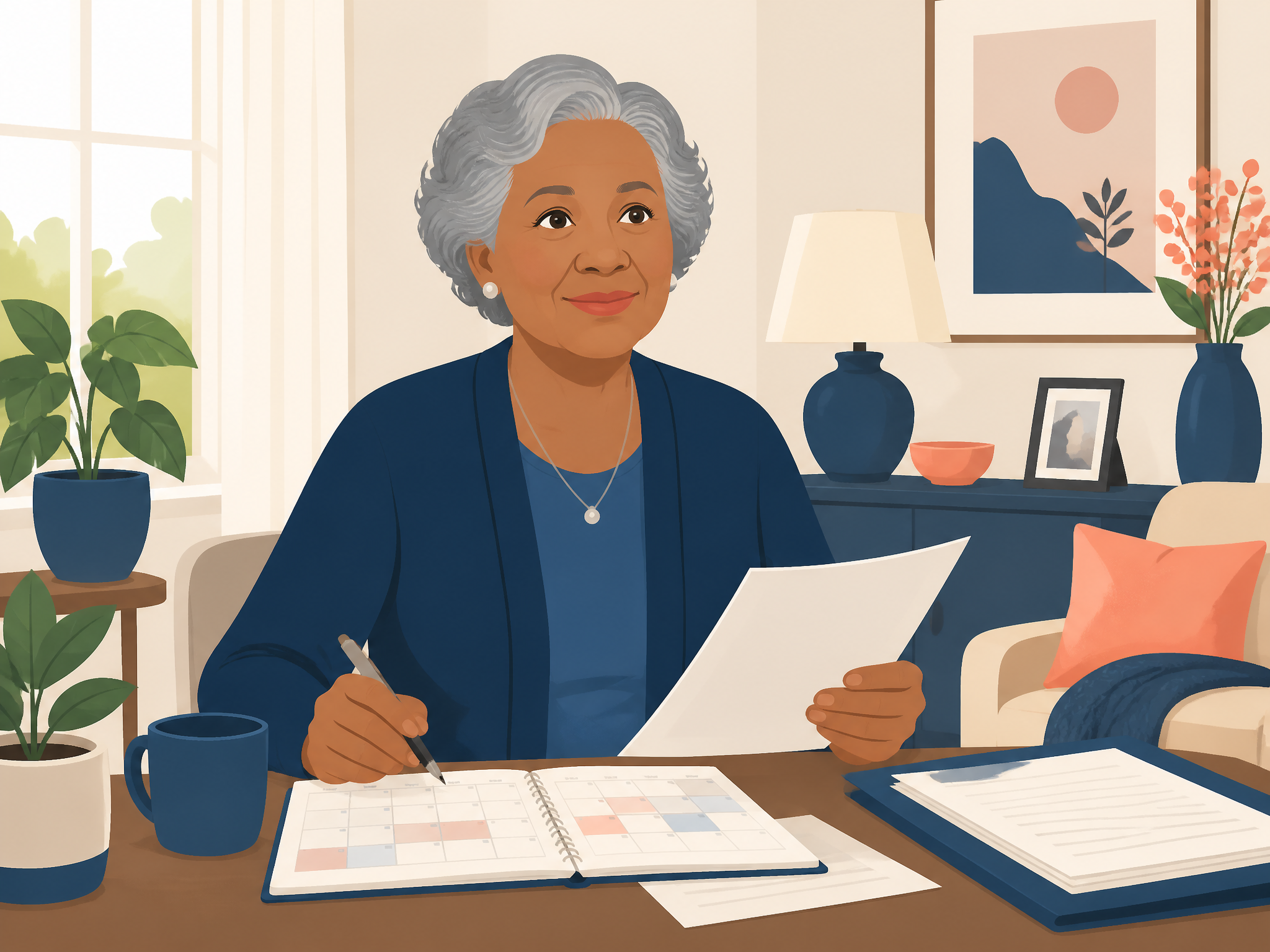
FIG. 04 - BENEFITS FOR THE YEARS AHEAD
Month 3 onward
Days 61-90 and beyond
With the essentials filed, these benefits keep supporting your family for years - especially children and grandchildren.
Claim education benefits for a spouse or children.
Chapter 35 (DEA) and the Fry Scholarship help pay for college or trade school. Apply with VA Form 22-5490.
Learn moreAsk about the VA home loan for surviving spouses.
Many surviving spouses can use the VA home loan benefit with no down payment.
Learn moreKeep every letter the VA sends you.
Appeal deadlines are strict - usually one year. If a decision looks wrong, do not wait to ask about it.
Let us review your file for free.
We check that nothing was missed and no benefit was left unclaimed - there is never a fee to a survivor.
Form numbers and phone lines above are the VA’s official contacts. Amounts and rules can change - always confirm the current details on va.gov, or let us walk through your family’s situation with you at no cost.
Four mistakes that cost surviving families money
Every one of these mistakes is avoidable once you know it is coming. Knowing them now can save your family months of delays and, in many cases, thousands of dollars. Most of them happen simply because no one warned the family in time. Read them here so you can sidestep the traps that catch so many grieving families off guard.
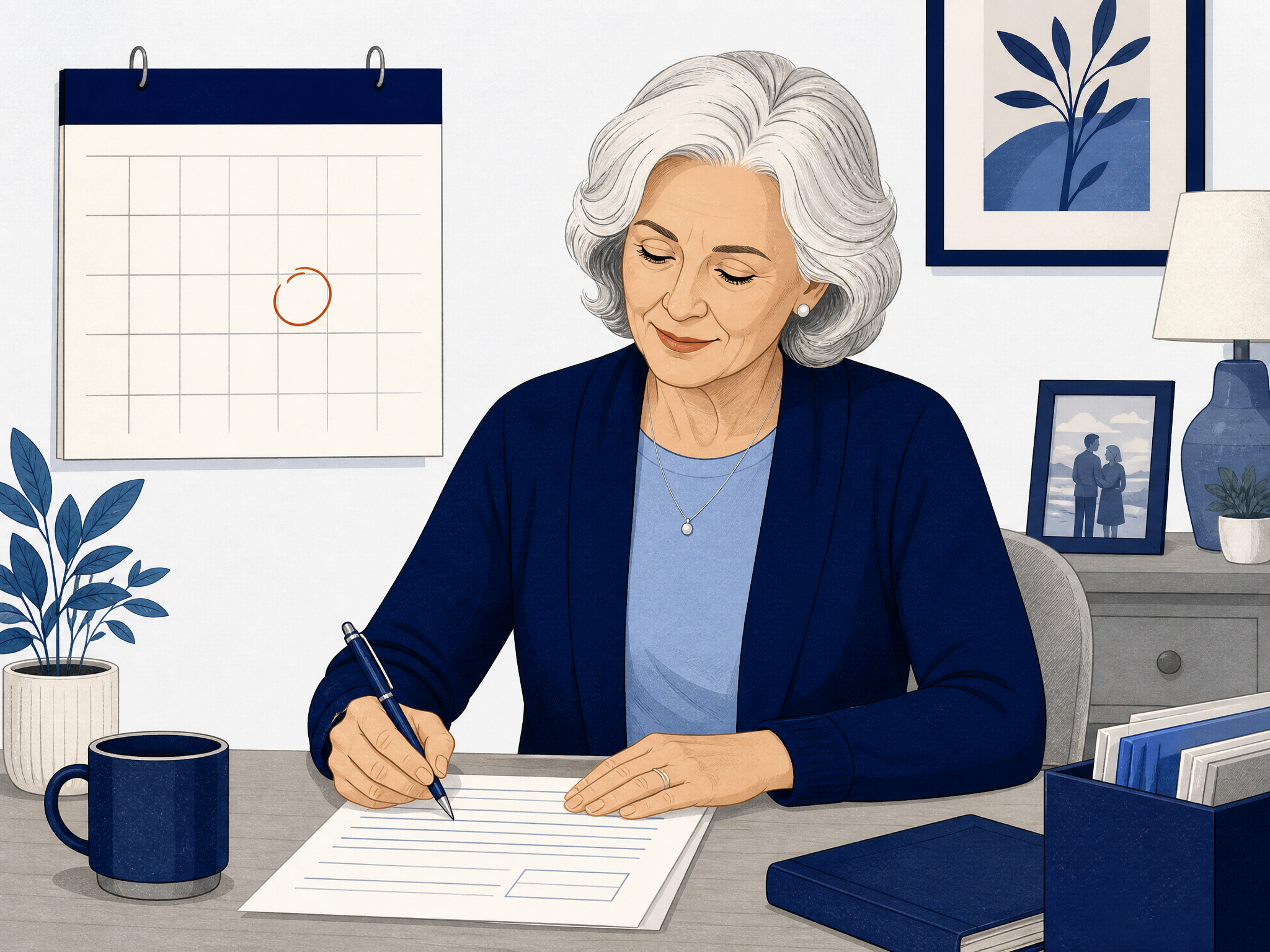
Not filing within the first year
If you file for DIC within one year of the veteran's death, your benefit is paid back to the first of the month after the death. File later and the effective date starts from when you file - you lose those months of payments permanently.

Spending the veteran's last VA payment
The VA payment for the month of death (and any later payments) may need to be returned. Set that money aside until you know what is owed. If you are entitled to accrued benefits or DIC, the money is sorted out - but spending it first creates a debt that complicates everything.
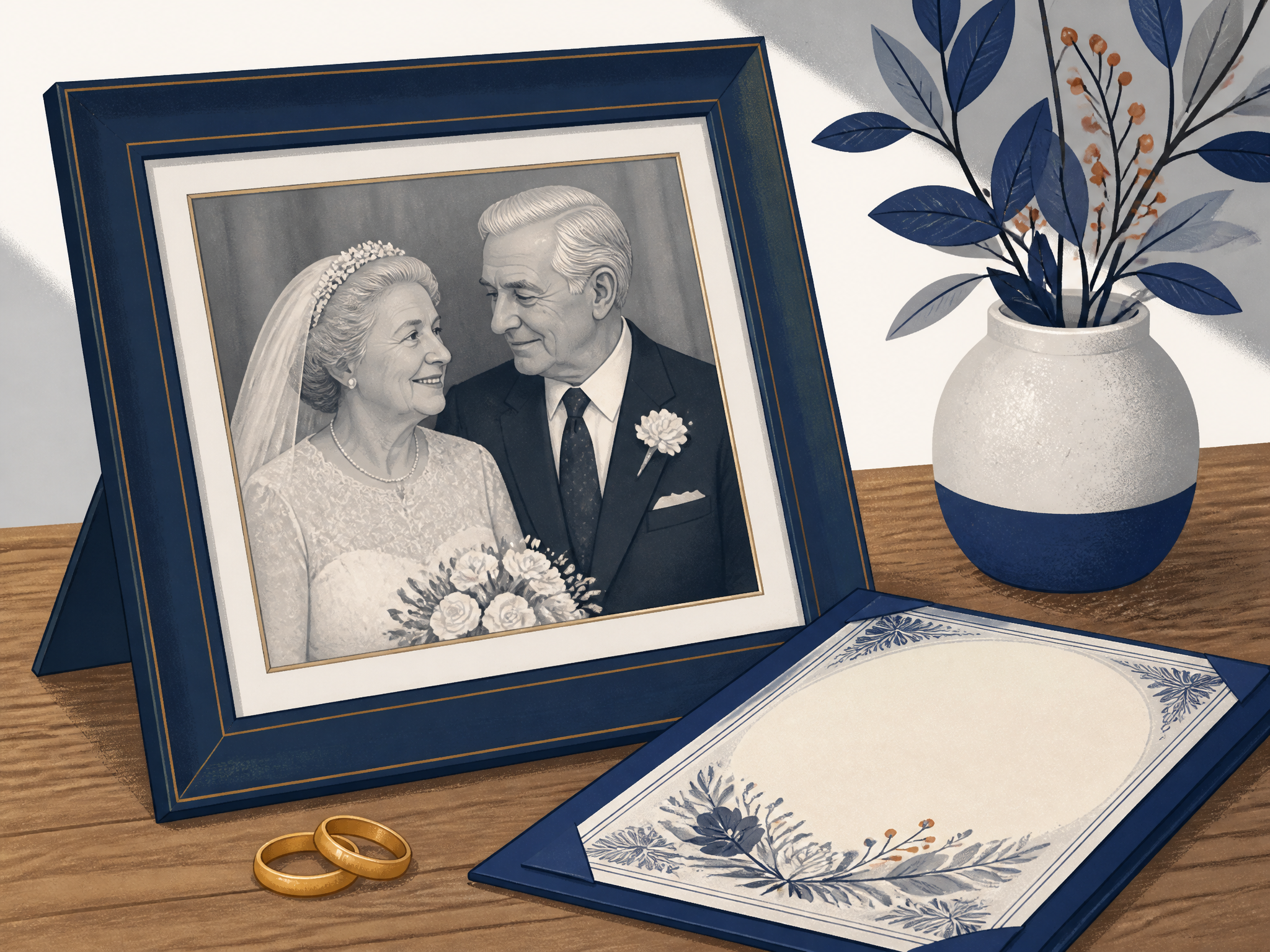
Assuming you do not qualify because you were not married long enough
The marriage-length rules are more flexible than most people think. If you were married at least one year, or if you had a child with the veteran, or if you married within 15 years of the service that caused the condition, you may qualify. Common-law marriage counts in states that recognize it.

Filing for only one benefit when you qualify for several
DIC, accrued benefits, CHAMPVA, education, and housing are all separate claims. Filing for DIC alone when you also qualify for education benefits and CHAMPVA means your children miss out. VA Form 21P-534EZ covers DIC, pension, and accrued benefits together - but CHAMPVA, education, and housing are filed separately.
Honest answers to the hardest questions
These are the real questions surviving families bring to us, in their own words, during some of the hardest days of their lives. Every one of them deserves a straight, gentle answer, and that is what you will find here. You are not the first family to wonder these things, and you will not be the last. If your question is not below, please ask it, because no worry is too small when your family's future is on the line.
I do not know if the death was service-connected. Does that matter?
It matters for DIC, but it does not close every door. If the veteran was rated totally disabled for at least 10 continuous years before death, DIC may still be payable regardless of the cause of death. And benefits like the Survivors Pension, education, and housing do not require a service-connected death at all. We help families figure out which path fits.
I remarried. Did I lose everything?
Not necessarily. If you remarried after age 57, you can still receive DIC. If you remarried earlier and the marriage ended (by death, divorce, or annulment), your eligibility may be restored. The Survivors Pension has different rules - remarriage at any age ends pension eligibility, but education benefits for children are not affected by a parent's remarriage.
My veteran passed years ago. Is it too late?
There is no statute of limitations on filing for DIC or a Survivors Pension. You can file today for a veteran who passed decades ago. The effective date of the benefit generally starts from the date you file (not the date of death, unless filed within a year), so filing sooner protects your payments going forward.
Can I receive both DIC and Social Security?
Yes. DIC and Social Security survivor benefits are completely separate programs and do not reduce each other. You can collect both in full. However, the VA Survivors Pension is means-tested - Social Security income counts against the pension limit (medical expenses can offset this). DIC has no income test.
The veteran had a claim pending when they passed. Is that money lost?
No. Those are called accrued benefits - money the VA owed the veteran but had not yet paid. A surviving spouse, child, or parent can file for accrued benefits using VA Form 21P-534EZ. The claim continues where the veteran left off, and the payment goes to the eligible survivor.
I have my own health problems. Does CHAMPVA cover everything?
CHAMPVA covers most medically necessary services: doctor visits, hospital stays, prescriptions, mental health, preventive care, and durable medical equipment. It is not as broad as TRICARE (military family insurance), but for most surviving spouses it is far better than no coverage and can be used alongside Medicare if you are over 65.
Two ways to move forward — both free
Get free answers, or hire us to work your claim
There is no cost either way. If you just have questions, get free information from an accredited claims agent with no obligation. If you are ready to move forward, register to hire us — registering is free, and we cannot begin work until you sign VA Form 21-22a.
Free information — just ask
Ask a question, learn what you may be owed, or find out where you stand. Confidential, free, and no obligation to go any further.
Ready to hire us? Register
Decided you want us to work your claim? Registering is free — we match you with an accredited advocate and get you started. Fees, if any, are always disclosed up front.
Benefits for Survivors & Family
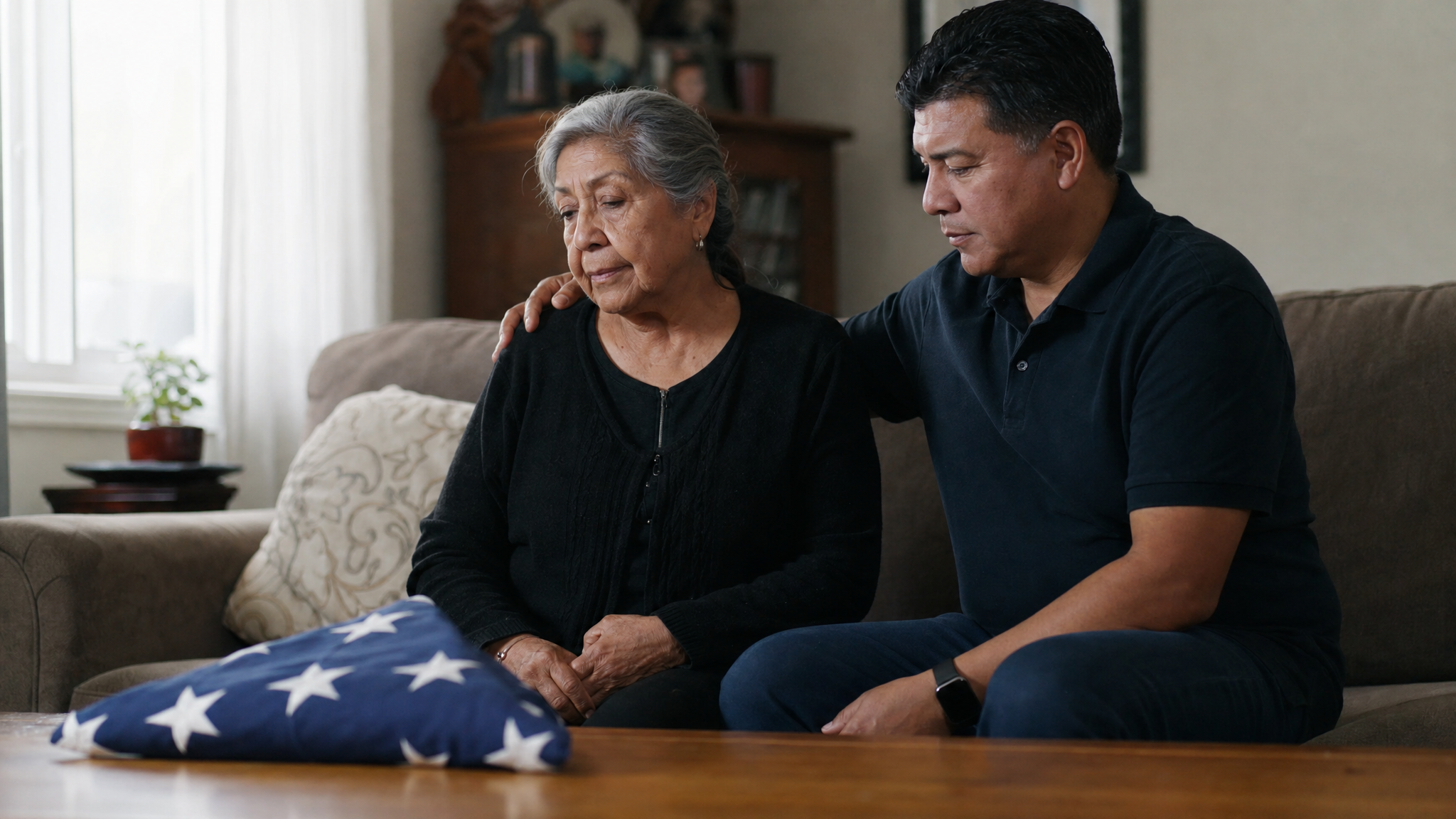
When a veteran passes, surviving spouses, children, and parents may be entitled to monthly income, health care, education, housing help, and burial honors. We walk families through this gently, one step at a time.






Information only - not legal advice
For information purposes only - this is not legal, financial, or medical advice. The Aging Veteran is a private service and is not part of, or endorsed by, the U.S. Department of Veterans Affairs. Benefits are subject to VA eligibility rules. Always confirm your specifics on va.gov or with a qualified professional.

Two ways to move forward — both free
We will take this one step at a time
There is no rush and no pressure, ever. Talk with our free assistant whenever you feel ready, or call us to speak with a real person who understands what your family is going through. You can ask a single question and stop there, or let us help you file, and it is your choice either way. Everything here is free, and reaching out never puts you under any obligation.
Have a question? Get free information
Ask a question, learn what you may be owed, or find out where you stand. Confidential, free, and no obligation to go any further.
Ready to hire us? Register
Decided you want us to work your claim? Registering is free — we match you with an accredited advocate and get you started. We cannot begin until you sign VA Form 21-22a, and fees, if any, are always disclosed up front.