Survivors
Protect Your Spouse’s Future: A DIC Roadmap
Your VA disability check is the foundation of your family’s readiness, but it is not a retirement fund and it is not an inheritable asset. The day you pass, that monthly payment stops, unless you have set your spouse up for Dependency and Indemnity Compensation (DIC) while there is still time. Here is how to pivot from relying on your check to securing DIC for the person you leave behind. Doing it now, before it is too late, is the single most protective move most married veterans overlook.

The hard truth
Your disability check stops the moment you take your last breath
VA disability compensation is paid exclusively to the veteran for their specific service-connected conditions. It is a personal benefit tied to your own body and your own record, not a savings account, not a pension your family inherits, and not an asset that passes through your estate. There is no transition period and no grace window. If you are rated 100% and receive roughly $3,900 a month, that payment does not transfer to your spouse when you die - it simply ceases to exist the moment the VA records your date of death. A household built around that income can be destabilized instantly, especially if your spouse left the workforce to become your caregiver and has spent years relying on that monthly deposit to cover the mortgage, utilities, medications, and everyday living. That is exactly why the plan below matters: the goal is to replace as much of that lost income as possible with a benefit your spouse can actually keep - Dependency and Indemnity Compensation - and to lock in the pathways that make it payable before it is too late.
While you are living
~$3,900/mo
100% disability compensation - the foundation your family plans around.
The day you pass - with no plan
$0/mo
The check ends abruptly. Without a DIC pathway in place, your spouse receives nothing from that income stream.
The financial safety net
Dependency and Indemnity Compensation (DIC)
DIC is the primary solution to the income gap a veteran’s passing creates - a tax-free monthly benefit paid to eligible survivors, designed to give your spouse a reliable, permanent baseline of support. The rate is standardized; what matters is whether you established a qualifying pathway while you were still alive.
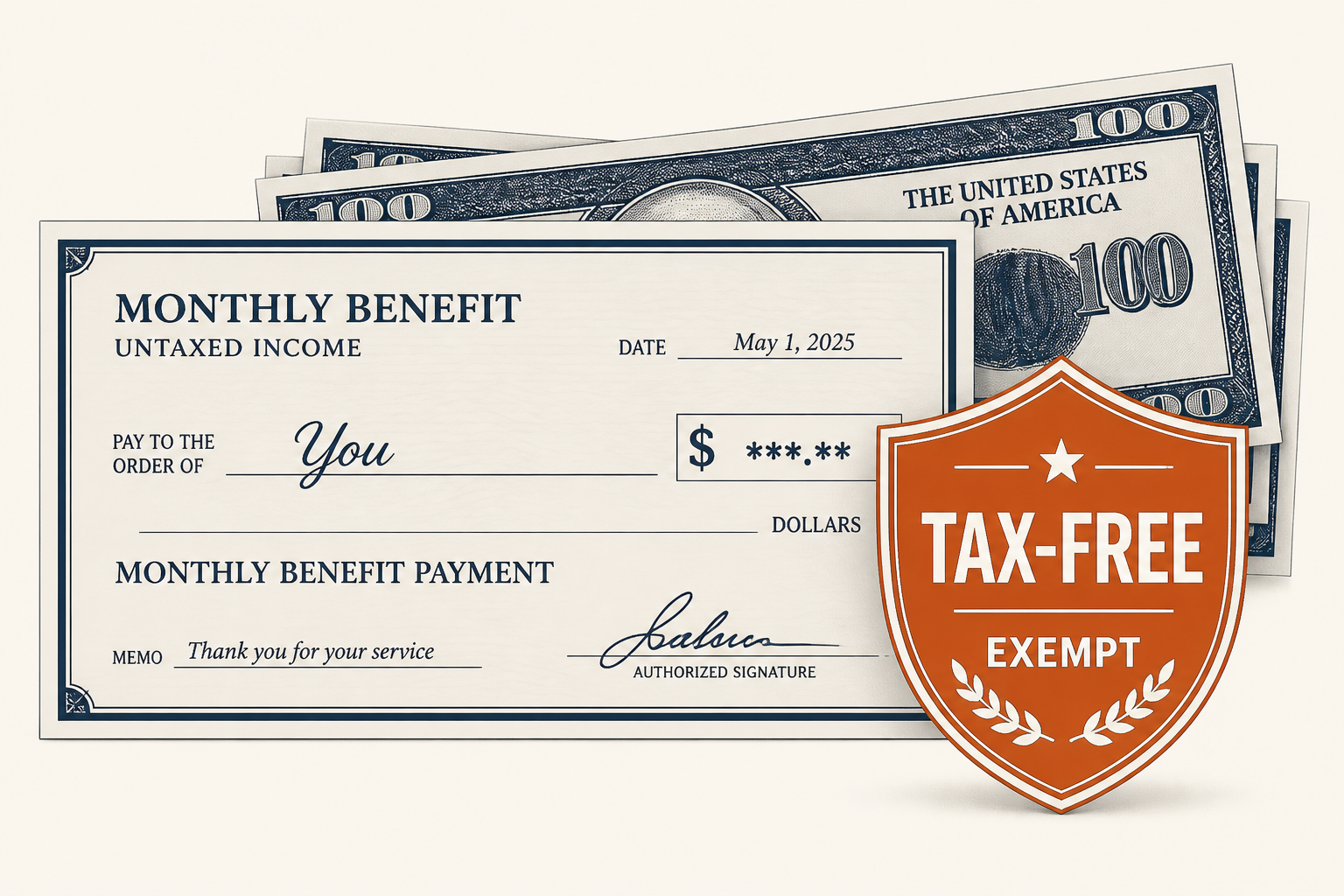
Tax-free income
Unlike much other survivor support, DIC is not subject to federal income tax. What is paid is what your spouse keeps.

A permanent monthly base
The 2026 base rate for a surviving spouse is $1,699.36 per month - over $20,000 a year - paid for life (subject to the remarriage rule).

Not needs-based
Your spouse’s income and assets do not matter. Wealthy or struggling, the DIC payment is the same.
How your spouse qualifies
The two primary pathways to qualification
Qualifying for DIC is not automatic. Your spouse must meet one of two strict criteria defined by the VA. Build toward both - do not rely on the 10-year rule alone.
Pathway 1
Service-connected death
Your death must be caused or “substantially contributed to” by a condition the VA has already recognized as service-connected. This hinges on the cause of death listed on your death certificate.
The caveat: if you die of a heart attack but the heart condition was never service-connected, this pathway pays nothing - even if you were 100% for PTSD. The cause of death must link to your service-connected list.
Pathway 2
The 10-year rule
A safety net regardless of the eventual cause of death: the veteran was rated 100% P&T or receiving TDIU for at least 10 continuous years immediately preceding death. This applies equally to 100% schedular and TDIU ratings.
The caveat: the decade must be unbroken. 100% for five years, a drop to 90%, then reinstated for five more does not meet “10 continuous years.” It must be a solid, uninterrupted decade.
The 8-year longevity reward
A “kicker” for long-term stability
If you were rated 100% P&T (or TDIU) for at least eight continuous years before death and married to the same spouse throughout those eight years, your spouse receives an additional ~$360 per month on top of the base rate.
~$2,060/mo
base $1,699.36 + ~$360 kicker - tax-free
Why 100% is not the finish line
The “insulation” strategy
Many veterans treat a 100% P&T rating as the finish line - the moment they stop filing, stop documenting, and assume the mission is complete. From a family-readiness standpoint that is a dangerous assumption, because a 100% rating protects your income today; it does nothing on its own to guarantee your spouse’s income tomorrow. Remember Pathway 1: for DIC to be paid on the cause of death, that cause has to already be on your service-connected list. To protect your spouse you must insulate them - service-connect the conditions most likely to be your primary or contributory cause of death now, even when those conditions do not add a single dollar to your monthly pay. A claim that does not raise your check can still be the one that keeps a roof over your spouse’s head. Think of each additional service connection not as a bigger payment, but as another layer of insulation between your spouse and a sudden financial cliff - and the time to build those layers is while you are alive and able to testify.
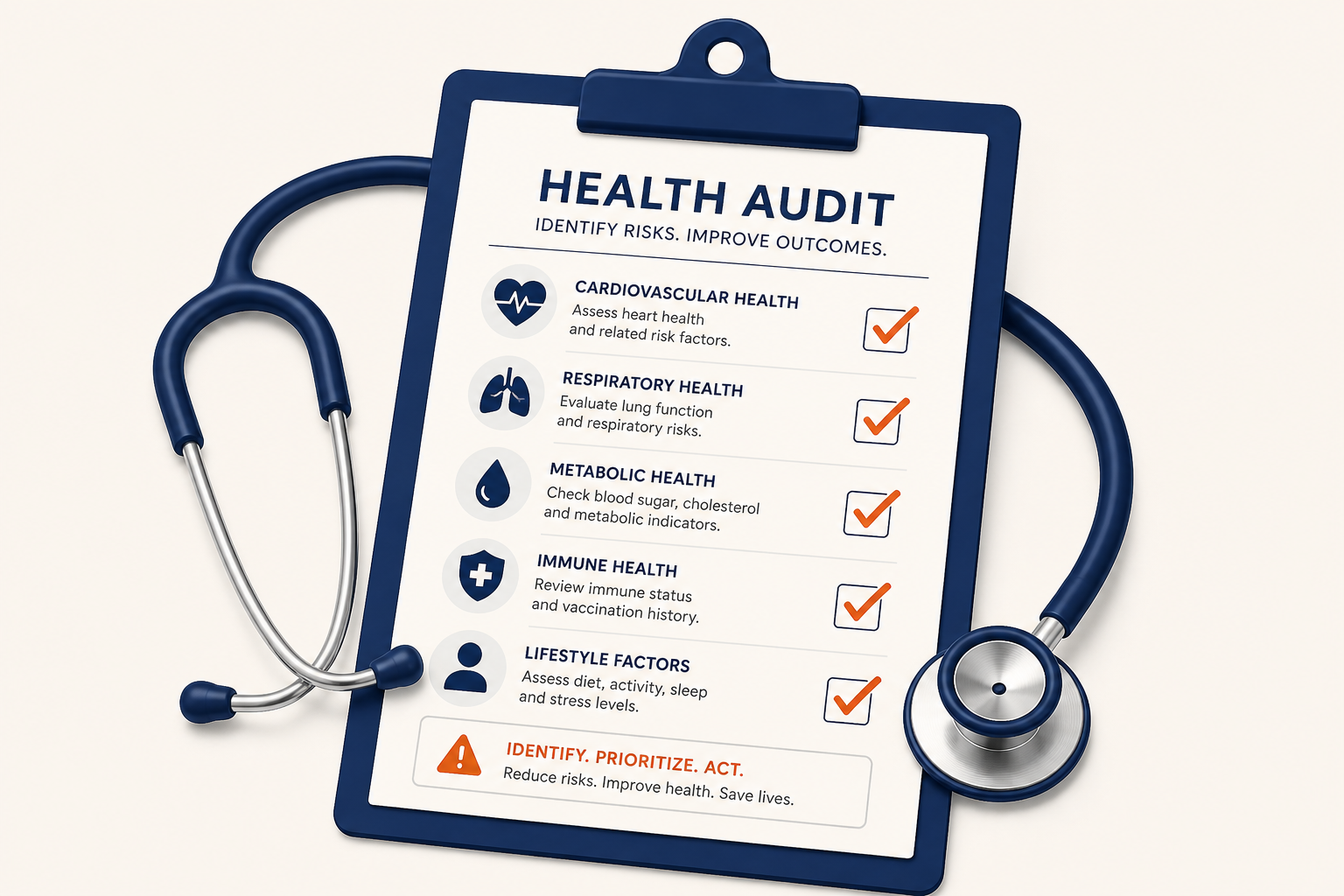
1. Identify the potential killers
Audit your health for the conditions statistically most likely to be your primary or contributory cause of death.
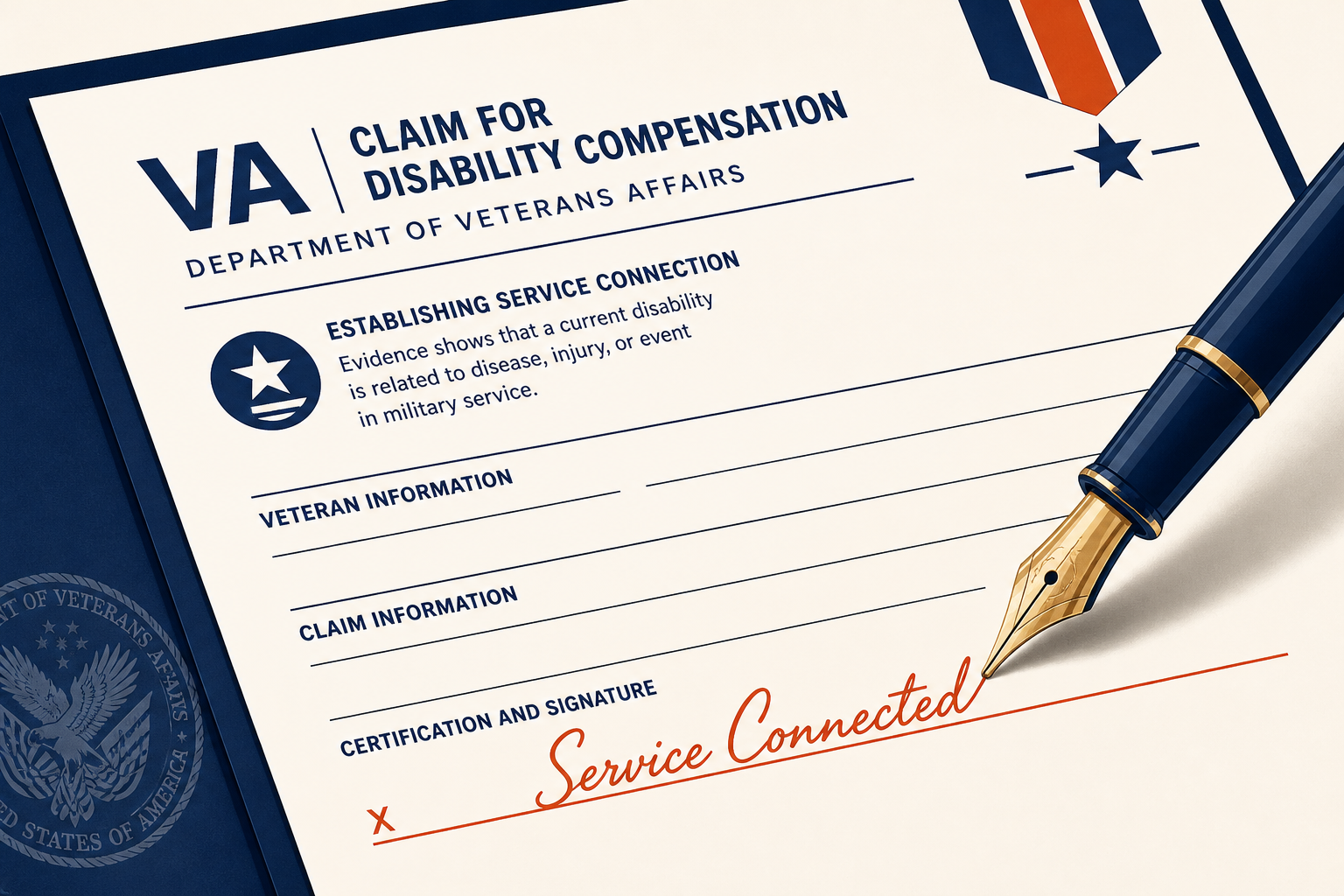
2. Establish the nexus now
File for service connection while you are alive and able to testify. If a condition “substantially contributes” to your death it counts for DIC - but it must be on the books first.
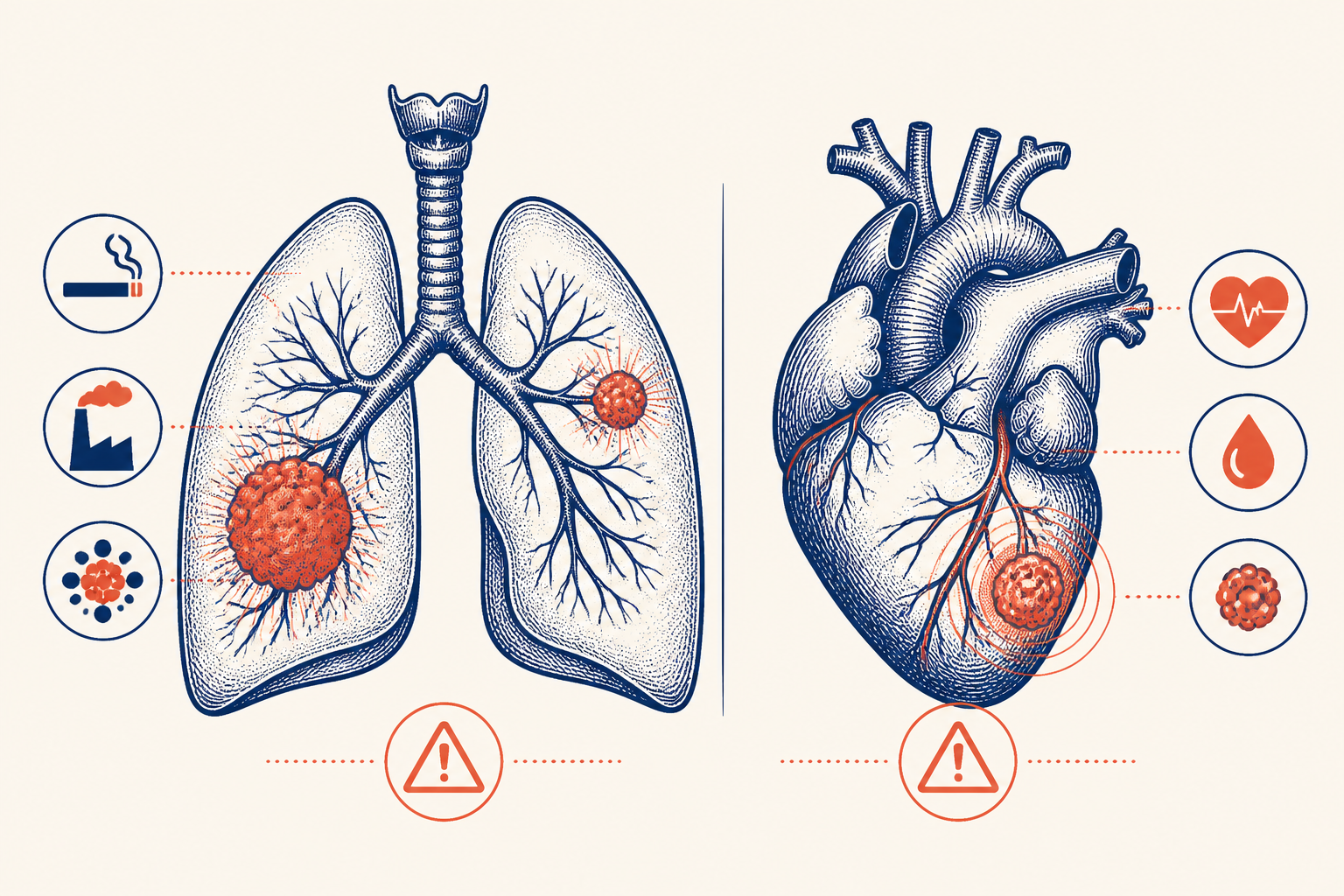
3. Prioritize high-risk conditions
Focus on respiratory, oncological (cancer), and cardiovascular issues - the conditions most often listed on a death certificate.
Strategic focus: heart disease & secondary connections
Heart disease is the leading cause of death for male veterans. Make sure any cardiovascular issue is service-connected - directly, or through a secondary link.
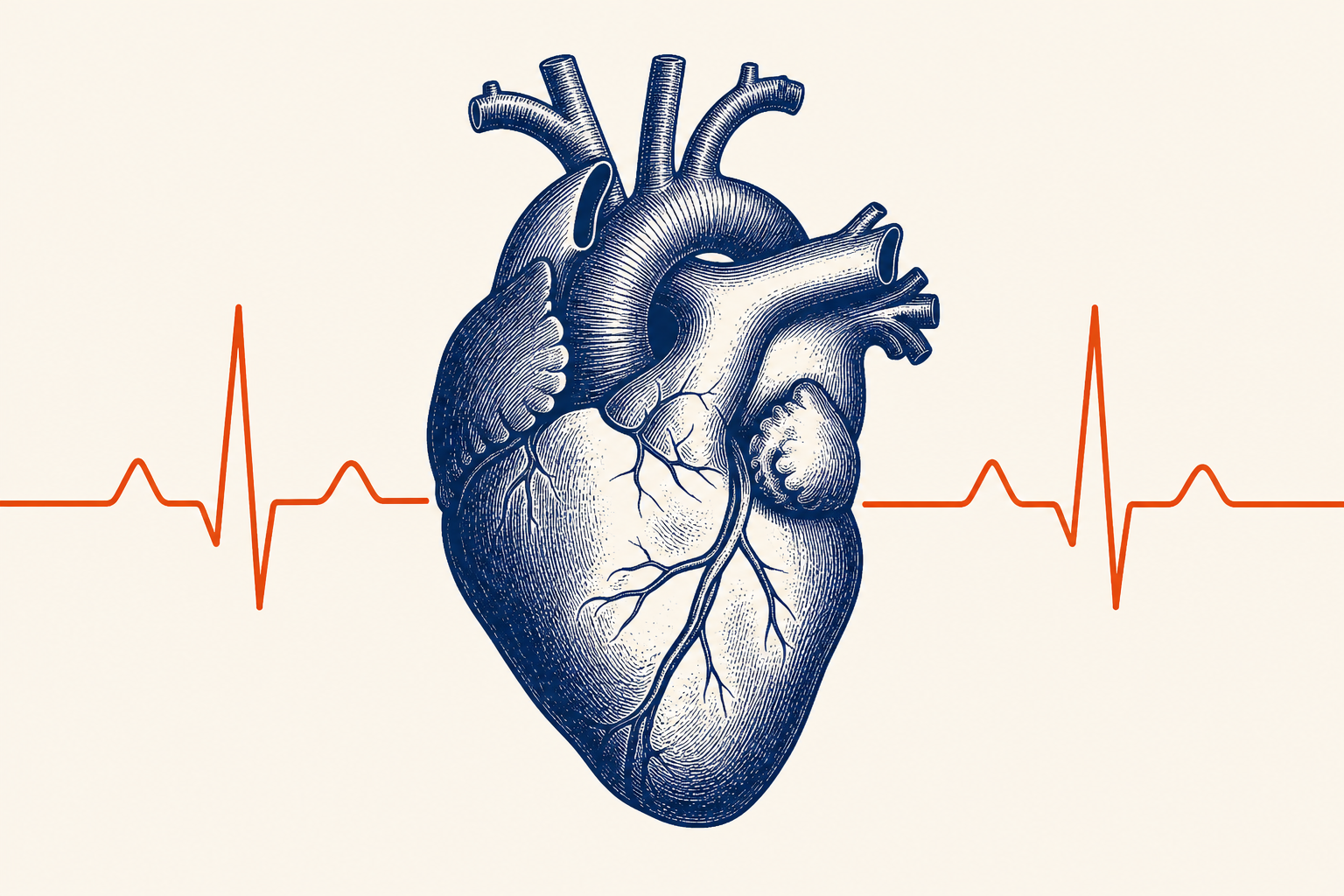
Ischemic heart disease
A presumptive condition for Agent Orange and certain toxic exposures. If you have this diagnosis, get it service-connected immediately.

The medication “bridge”
Many service-connected medications (like psychotropic meds for PTSD) cause weight gain or metabolic shifts. If that weight gain leads to heart disease, you have a secondary pathway to connection.

PTSD → cardiovascular risk
PTSD drives chronic stress and inflammation that raise cardiovascular risk. Connected as “contributory,” it can protect your spouse’s DIC if your heart fails.
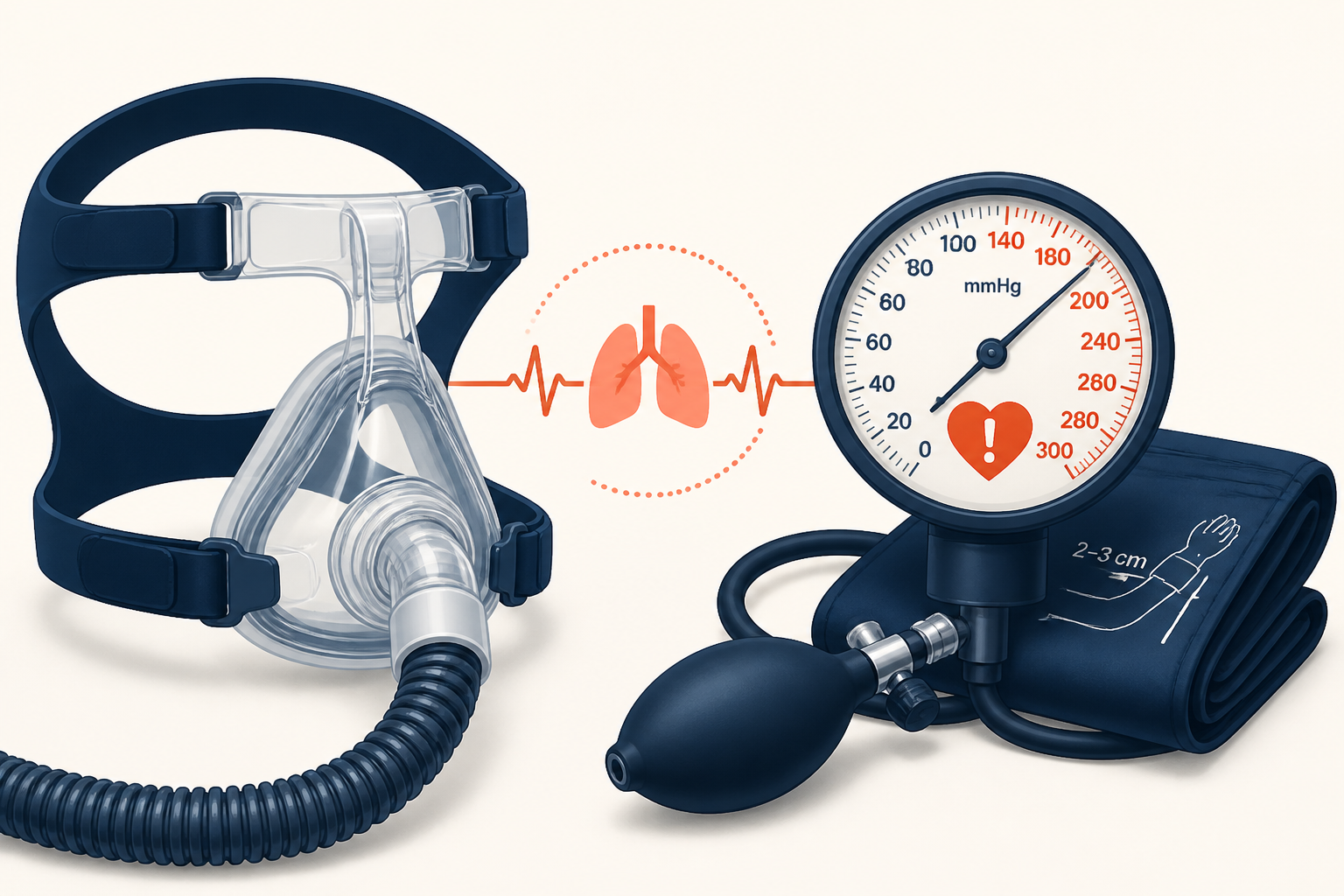
Sleep apnea → hypertension
Sleep apnea is a major risk factor for high blood pressure and heart failure. Linking it now builds another contributory pathway.
Execution matters
Administrative safeguards
A strategy is only as good as its execution. Prepare your spouse to handle the paperwork if you pass while a claim is still moving.
Substitution of claimant
VA Form 21P-0847
If you die with a pending claim, your spouse can “step into your shoes” to finish the mission - collecting the back pay owed to you and, critically, establishing the service connection needed for Pathway 1 of DIC.
The deadline: your spouse has exactly one year from the date of death to file for substitution.
The survival document folder
Keep one folder so your spouse is mission-ready during a time of grief:
- DD-214 - Original discharge paperwork.
- Latest rating decision - The letter listing every current service-connected condition.
- Marriage certificate - Legal proof of the relationship for the VA.
- VA Form 21P-534EZ - The formal application for DIC and survivors’ pension.
- VA Form 21P-0847 - The request for substitution of claimant on any pending claim.
A note on remarriage: a surviving spouse generally keeps DIC for life, provided they do not remarry before age 55. Remarriage at 55 or older lets the spouse keep the benefit.
The three principles
Internalize these before it is too late
Planning for your own passing is the ultimate act of service for your family. Handle the clinical and administrative connections now, and your spouse stays financially secure long after your final check arrives.

Acknowledge the stop date
Your disability check terminates the day you die. It is not an inheritance. Plan for the transition from about $3,900 down to the ~$1,700 (or ~$2,060) DIC base.

Verify your pathway
Do not rely on the 10-year rule alone. Prepare for Pathway 1 by making sure high-risk “killers” like heart disease are service-connected today.
Insulate with evidence
Filing new conditions at 100% is not about a bigger check - it is life insurance for your spouse. Every service-connected condition is a potential contributory cause that guards their security.
Information only - not legal advice
For information purposes only - this is not legal, financial, or medical advice. The Aging Veteran is a private service and is not part of, or endorsed by, the U.S. Department of Veterans Affairs. Benefits are subject to VA eligibility rules. Always confirm your specifics on va.gov or with a qualified professional.

Two ways to move forward — both free
Insulate your spouse while there is still time
Two ways to move forward, and both of them are free. Ask a question and get straight information from an accredited claims agent, or register to hire us to file the conditions that protect your spouse’s DIC. There is no obligation either way, and no cost to find out where you stand. Whichever door you pick, the goal is the same: making sure your spouse is not left with nothing.
Have a question? Get free information
Ask a question, learn what you may be owed, or find out where you stand. Confidential, free, and no obligation to go any further.
Ready to hire us? Register
Decided you want us to work your claim? Registering is free — we match you with an accredited advocate and get you started. We cannot begin until you sign VA Form 21-22a, and fees, if any, are always disclosed up front.