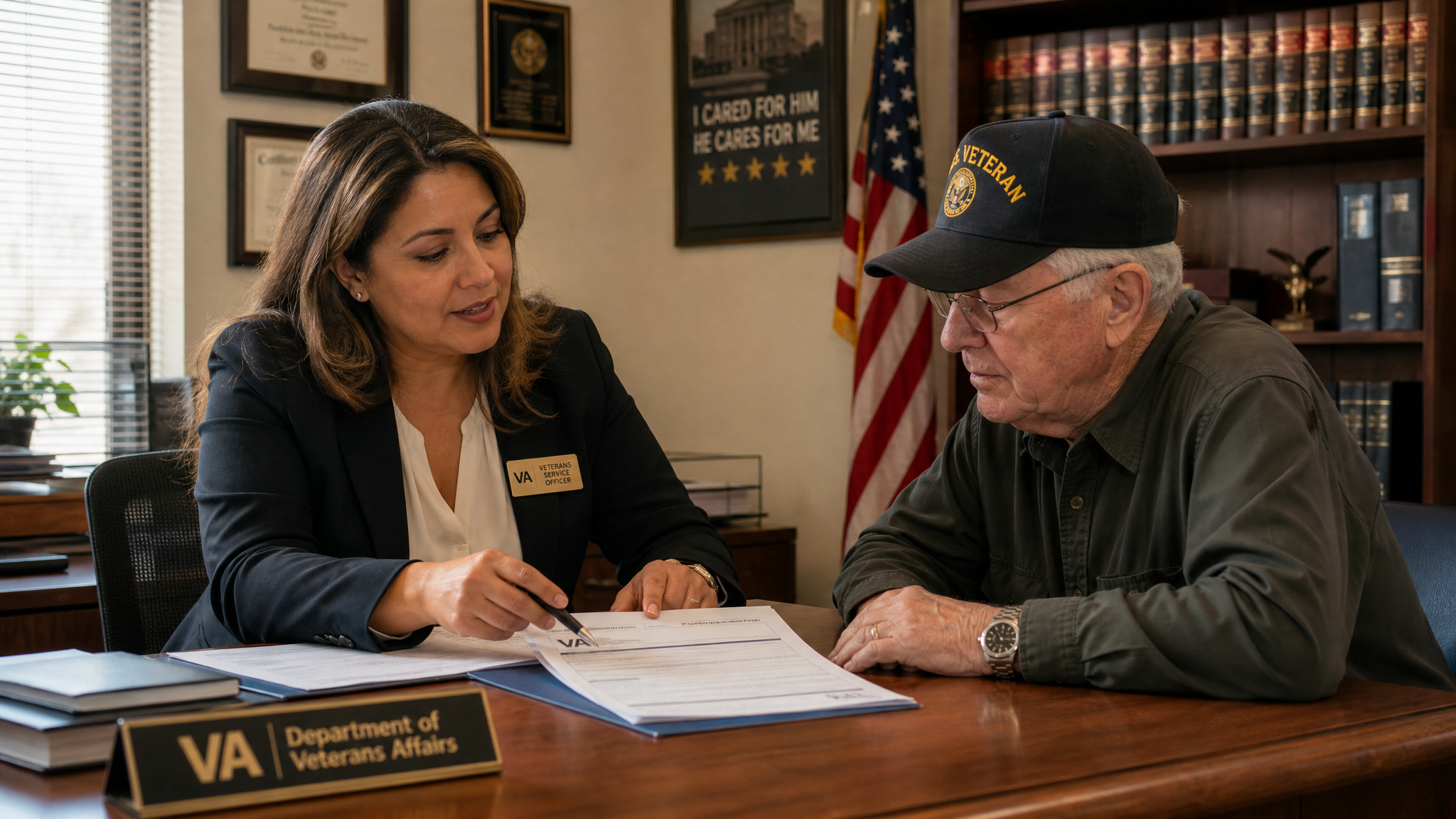
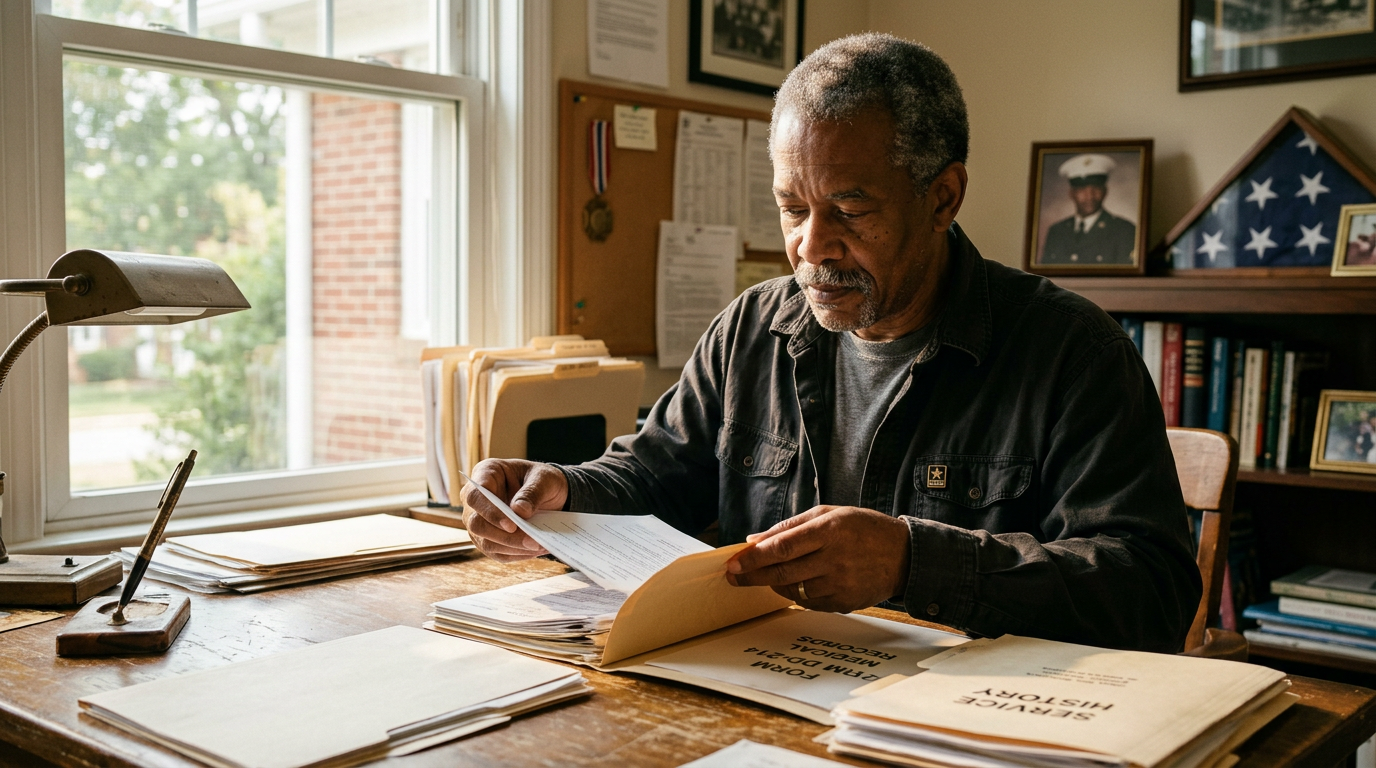
A military record mistake can still be fixed later in life. Learn how BCMR works, when DD Form 149 may help, and why it is not too late to try.
If you are in your 50s, 60s, 70s, or beyond, it is easy to assume a military record problem is just too old to fix. Many veterans were never told there was a process for this at all. It is not too late to look at whether an error or injustice in your record may still be corrected.
That matters because a bad record can affect more than pride. It can touch benefits, pay, and family protection in ways that follow you for years.
What BCMR is and why older veterans should care
BCMR can correct record errors that have been costing veterans money, recognition, or benefits for a long time. The Board for Correction of Military Records (BCMR) is the highest administrative authority in each service for fixing an error or injustice in a military record.
Many people think this is only about upgrading a discharge. It is broader than that. A correction request may involve pay and allowances, disability ratings and medical retirement, promotions and rank, dates of service, awards, and evaluations.
For an aging veteran, this is about becoming aware of what you may be entitled to now. Even if you waited years, did not know the process, or assumed nobody would listen anymore, you are not out of the game.
What DD Form 149 is used for
Use DD Form 149 to ask the proper board to correct your record. This is the application used to bring your request before the correction board for your branch.
You would generally send it to the board for your service:
- Army (ABCMR)
- Navy and Marine Corps (BCNR)
- Air Force and Space Force (AFBCMR)
- Coast Guard (BCMR)
Your request should be clear and specific. The strongest applications say exactly what is wrong and exactly what should be changed, such as "change block 28 from X to Y", instead of making a vague complaint.
The deadline matters, but it is not always the end
The board can waive late filing even if you are well past the normal deadline. The law says you should file within three years of discovering the error under 10 U.S.C. 1552, but the board can waive that deadline "in the interest of justice".
That is important for older veterans who only recently learned a mistake was even there. If you are past the three-year mark, do not talk yourself out of filing. Explain why the delay happened, such as:
- you only recently discovered the error
- you were dealing with illness
- records surfaced later
- nobody ever told you this remedy existed
The board frequently considers waiver requests. Past three years does not always bar you, especially when you explain the delay plainly and support it with documents.
What makes a correction request stronger
Specific, documented requests do better than general complaints. The board starts by presuming your record is correct, so the burden is on you to show otherwise.
That is why vague requests often fail. If you file, attach every supporting document you can, including service and medical records, VA rating decisions, orders, evaluations, and sworn statements.
A helpful way to think about it is simple:
- Identify the exact error or injustice.
- State the exact correction you want.
- Back it up with records and statements.
- If you are late, explain why and ask for a waiver.
If your correction could affect compensation, retirement status, or back pay, remember that any financial result is still an individual estimate until your service and, where relevant, the Department of Veterans Affairs make their final decisions.
Try routine channels first if your branch expects it
Exhaust other appeals first before asking the correction board to act. In general, the board expects you to try other available records or pay-correction processes within your branch first.
This step matters because filing too early can slow things down. If there is a routine way to fix the problem without board review, the board may want that process completed before it steps in.
That does not mean you should give up. It simply means the right path matters, and starting with the ordinary channel can strengthen your later BCMR request if the issue is not fixed there.
What happens if the board grants the request
There is no fee to file, and if the board grants your request, the service corrects the record. Any related back pay or allowances would then follow based on the corrected record.
Processing usually takes around 12-18 months. That can feel slow, but for many veterans the bigger mistake is deciding they waited too long and never filing at all.
Correcting a record may help clear the way for benefits and recognition that should have been there in the first place. For some families, that can mean better protection, clearer eligibility, or financial changes that may matter now more than ever.
How to get started without overwhelming yourself
Start with the paperwork and proof. Complete DD Form 149, identify the branch board, and gather the documents that best show the error and the correction you want.
A simple starting checklist can help:
- get a copy of the record you believe is wrong
- write down the exact correction requested
- gather medical, service, pay, and evaluation records
- collect sworn statements if they help explain what happened
- explain any filing delay and request a waiver if needed
You can also read our full page on this benefit for more detail at /benefits/military-records-correction. And if you need help, an accredited Veterans Service Organization or attorney may be able to assist at no upfront cost.
You are not too old to protect what you earned
There is no age limit on seeking benefits, and learning about record correction now can still help you protect your health, your family, and your future options. A bad military record can quietly block recognition, pay, or related benefits for years, but many veterans do not discover that until much later in life.
This article is general educational information. The Aging Veteran is not the U.S. Department of Veterans Affairs, is not part of the federal government, and this is not legal, medical, or financial advice.
If you want a plain-English place to start, free help is available when you are ready from Albert L. Thombs Jr., a VA-accredited claims agent with accreditation #45147, at 702-992-4883. There is no pressure, and no one can charge a veteran to file an initial claim.
A quick, honest note
This article is general information, not legal advice, and every rate or example is an estimate. Your own claim depends on your records and the facts the VA finds. Albert L. Thombs Jr. is a VA-accredited claims agent (accreditation #45147). If you would like a real person to look at your situation, you are always welcome to reach out - there is no cost to ask.