
Veteran Benefits
Correcting Your Military Records (BCMR / DD Form 149)
Mistakes in a military record - a wrong discharge reason, a missing award, an unfair evaluation, a denied medical retirement, or a pay error - can cost real money and benefits for years. Each branch has a Board for Correction of Military Records that can fix these errors or injustices. It is a powerful, no-cost remedy that many veterans never know exists.

Who this is for
A single error buried in a military record - a wrong discharge reason, a denied medical retirement, a missing award - can quietly cost you money and benefits for decades. Each branch has a board with the power to correct it, at no cost, and an old mistake is rarely too old to challenge.
In plain language
What Correcting Your Military Records (BCMR / DD Form 149) covers
- What a Board for Correction of Military Records can and cannot fix
- How to file DD Form 149 and to which branch board
- The three-year deadline and how it can be waived
- Evidence that makes a correction request succeed

Correcting Your Military RecordsOfficial video - U.S. Dept of Veterans Affairs
5 things most veterans aren't aware of
These apply to nearly every VA claim - and they change how much you get and when.
Your filing date sets your back pay
Benefits are generally paid back to the day you file - not the day you are approved. Filing an intent to file today can protect months, even years, of retroactive pay.
One condition can trigger others (secondary claims)
A service-connected condition that causes another - like sleep apnea from PTSD, or a bad knee from a bad hip - can be rated on its own. Each secondary condition adds to your rating.
A medical nexus is what wins the claim
The VA needs a documented link between your condition and your service. A clear nexus opinion is often the difference between an approval and a denial.
Accredited help is free to file an initial claim
By law, an accredited agent cannot charge a fee to prepare and file your original claim. If someone asks for money up front to file, that is a red flag.
A denial is not the end of the road
You have three appeal lanes - Higher-Level Review, a Supplemental Claim with new evidence, and the Board of Veterans Appeals. Many denials are overturned on review.
DD Form 149
The single application that opens a Board for Correction case
3-year clock
The filing deadline the board can waive in the interest of justice
Highest appeal
The last administrative stop before federal court
The full picture
Everything you need to know
Nothing hidden behind a click, and nothing you have to go looking for on another website. Here is the whole story in plain language - the facts and the figures first - so you can decide what fits your situation.
Key facts & current figures
- The Board for Correction of Military Records (BCMR) is the highest administrative authority in each service for fixing an error or injustice in your record - you apply using DD Form 149.
- It can correct far more than a discharge: pay and allowances, disability ratings and medical retirement, promotions and rank, dates of service, awards, and evaluations.
- File within three years of discovering the error (10 U.S.C. 1552), but the board can waive that deadline "in the interest of justice" - and it frequently does.
- You must generally exhaust other appeals first (for example, a records or pay-correction process within your branch) before the board will act.
- There is no fee; if the board grants your request, the service corrects the record and any back pay or allowances follow.
General figures, current as of December 2025 and reviewed each year. Your exact amount depends on your situation - always confirm on va.gov.
What the board can fix
- The BCMR can correct almost any part of a military record to remedy an error or injustice: discharge characterization and narrative reason, pay and allowances, disability ratings, medical retirement, promotions, rank, dates, awards and decorations, and performance evaluations.
- It is the highest administrative appeal within a service - one step below federal court - so it can grant relief that lower offices cannot.
- If the correction has a financial effect (back pay, a corrected retirement, restored allowances), the finance office pays it out after the board approves the change.
Filing DD Form 149 with the right board
- Send DD Form 149 to the board for your branch: ABCMR (Army), BCNR (Navy/Marine Corps), AFBCMR (Air Force/Space Force), or the Coast Guard BCMR.
- State the specific error or injustice and the exact correction you want - do not leave the board to guess. Attach a focused personal statement and an organized set of documents.
- You generally must exhaust other available remedies first, such as your branch's records or pay-correction process, before the board will consider the case.
The three-year deadline and waivers
- By law (10 U.S.C. 1552) you should file within three years of discovering the error or injustice.
- If more time has passed, the board may waive the deadline when it finds doing so is "in the interest of justice" - so always explain the reason for any delay rather than assuming you are too late.
- A prior denial is not always the end - new evidence or a change in the law can support a fresh request.
Evidence that wins
- Because the board presumes the record is right, you carry the burden of proof. Strong cases pair a clear statement with documents: service and medical records, VA rating letters, orders, and sworn affidavits from witnesses.
- Request any missing service records first (the National Personnel Records Center, or SF-180) so your application is complete.
- An accredited VSO or a veterans law attorney can frame the legal argument and organize the evidence - and cannot charge an upfront fee to help with a VA claim tied to the correction.
Your complete benefit picture
Pay, rank, and retirement
A Board for Correction of Military Records can rewrite an error in your official file - back pay, a missed promotion, a denied medical retirement, a lost award, or a wrong evaluation. It is the most powerful administrative fix available to a veteran. Confirm your board and deadlines on archives.gov.

Two ways to move forward — both free
Not sure if this applies to you?
Ask our free assistant a few plain questions and get an honest read on what you and your family may qualify for, at no cost. It takes just a few minutes, and there is no sign-up and no obligation of any kind. You will get a clear, plain-language picture of where you stand and what might be worth filing. And if you would rather talk to a real person, an accredited agent is only a message away.
Have a question? Get free information
Ask a question, learn what you may be owed, or find out where you stand. Confidential, free, and no obligation to go any further.
Ready to hire us? Register
Decided you want us to work your claim? Registering is free — we match you with an accredited advocate and get you started. We cannot begin until you sign VA Form 21-22a, and fees, if any, are always disclosed up front.
Exhaust the small fixes first
The board expects you to try every other remedy before it
The Boards for Correction of Military Records are the highest level of administrative review in each service, and they generally want to see that you first tried lower-level corrections such as a records review or a promotion board.
File within three years of discovering the error. The board can waive that deadline when it is in the interest of justice, but you must ask for the waiver and explain the delay.
Know your board
The ABCMR handles Army cases, the BCNR covers Navy and Marine Corps, the AFBCMR handles Air Force and Space Force, and the Coast Guard has its own board.
What it can fix
Correct pay records, disability ratings, medical retirements, promotions, decorations, evaluations, and discharge characterizations - all on one DD Form 149.
A clear path forward
Your step-by-step action plan
No rush and no pressure - but a little order helps. Applying is always free.
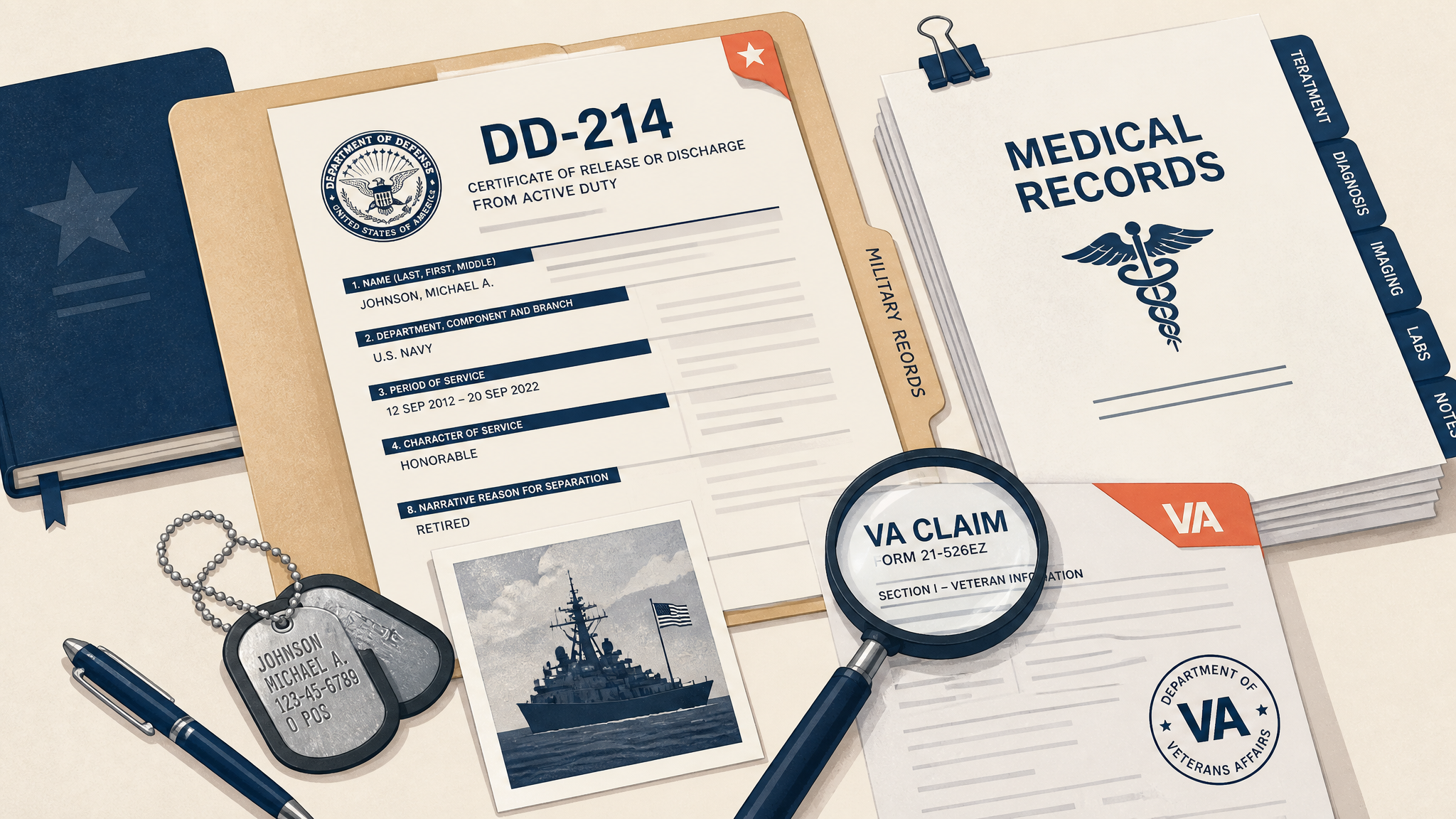
FIG. 01 - Gather your paperwork
First
Identify the error
Pin down exactly what is wrong in your record and gather the documents that prove the correct version.
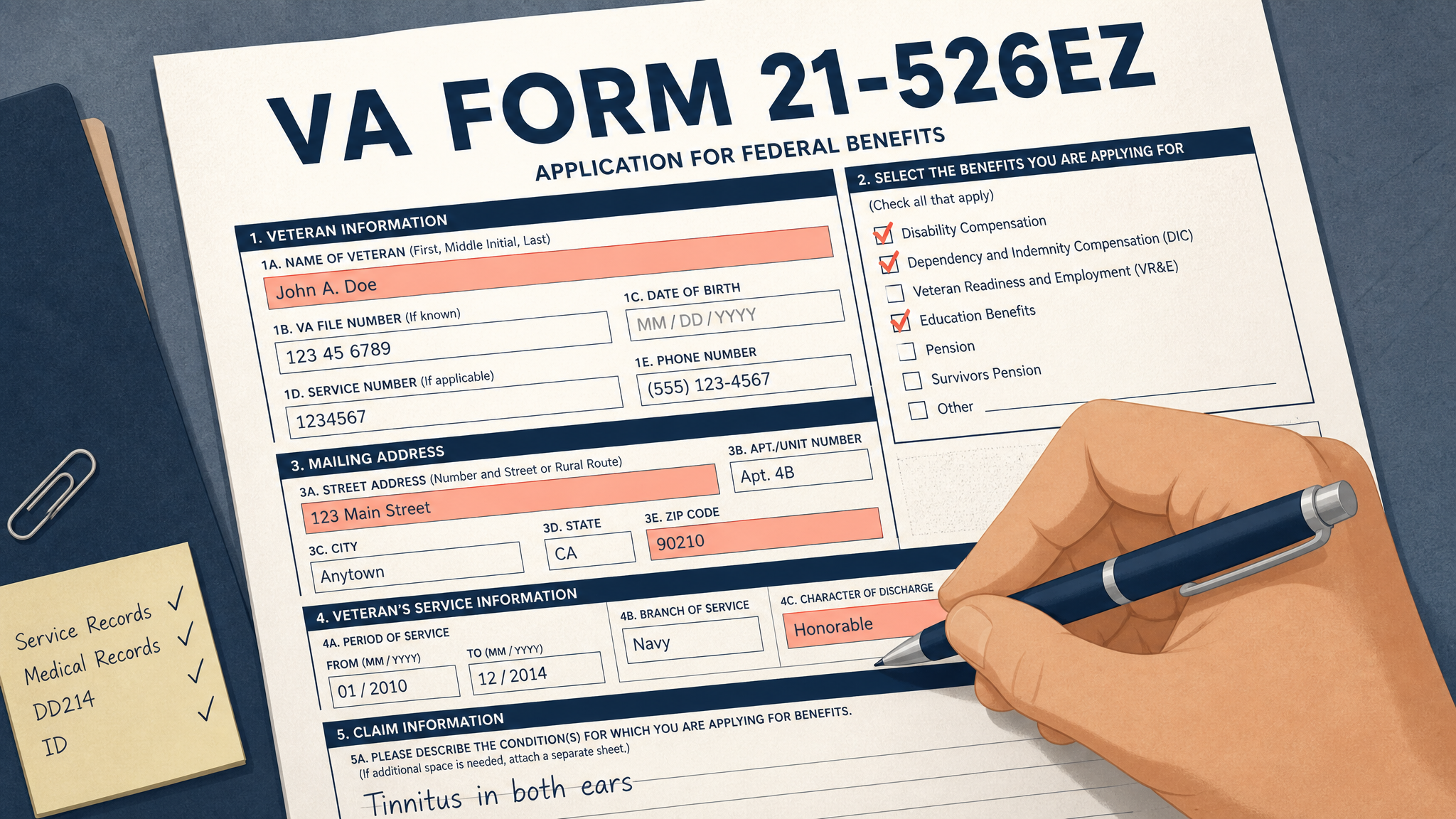
FIG. 02 - Fill out the form
Try
Use lower remedies
Request a records correction or personnel action through normal channels first, since the board expects you to exhaust those routes.

FIG. 03 - File the claim
File
Submit DD Form 149
Send the application to your service board with evidence and, if you are past three years, a written request to waive the deadline.
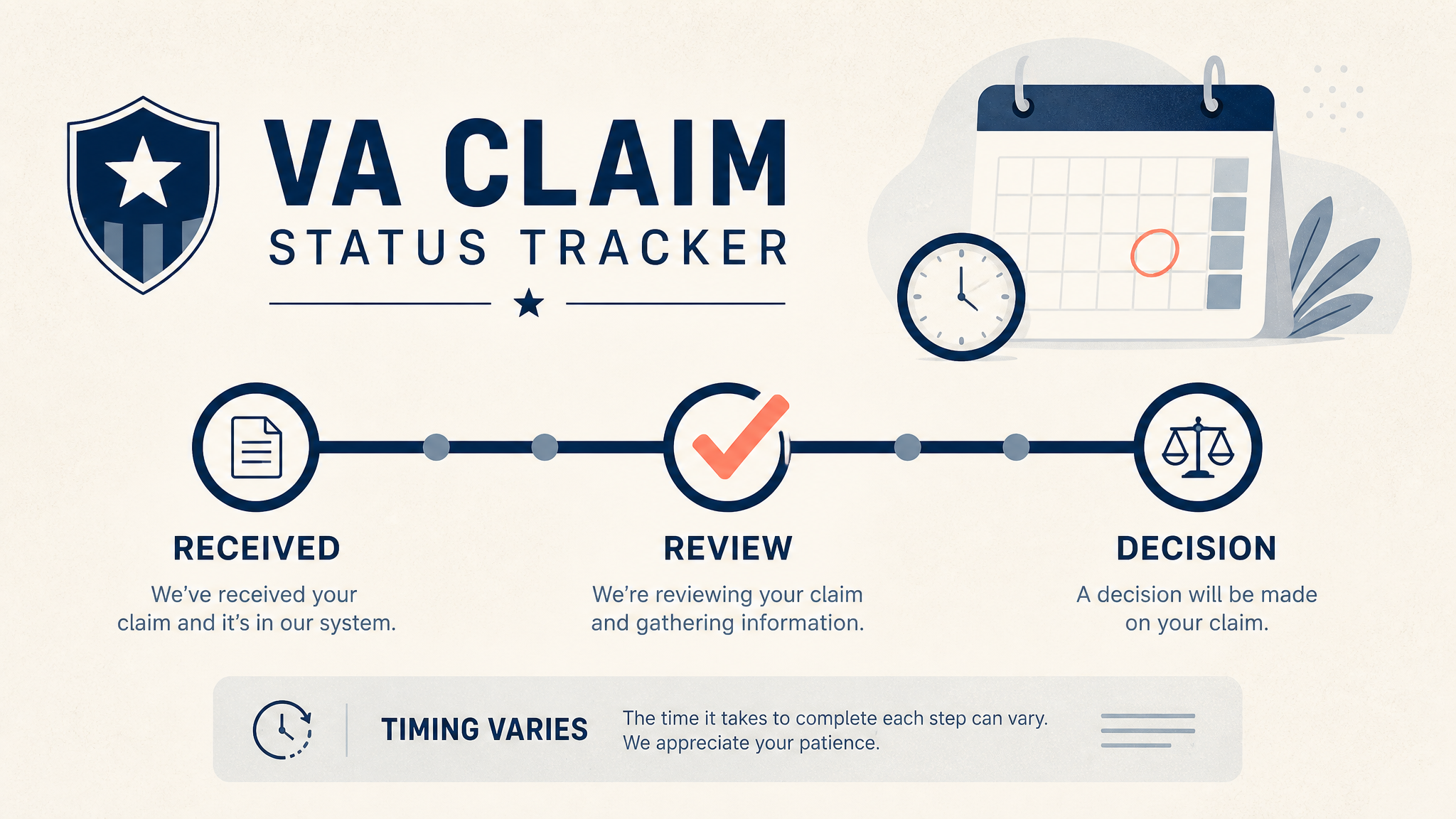
FIG. 04 - After you file
Wait
Plan for the timeline
Board decisions often take twelve to eighteen months, so keep copies and follow up rather than refiling.
Who to call & where to go
These are free, official VA lines. Have your Social Security number handy when you call.
Military Records (National Archives)
Request your DD-214, service records, and records corrections.
VA Benefits Hotline
Compensation, pension, and general claim questions.
Rather have us handle it?
No phone tag, no hold music. Call our office and a real, VA-accredited person walks you through it - start to finish.
702-992-4883Not sure where to start?
Complete DD Form 149 and send it to the correction board for your branch - the Army (ABCMR), Navy and Marine Corps (BCNR), Air Force and Space Force (AFBCMR), or Coast Guard (BCMR). Clearly state the exact error or injustice and the specific correction you want. Attach every supporting document you can: service and medical records, VA rating decisions, orders, evaluations, and sworn statements. Explain any delay past three years so the board can waive the deadline. Processing usually takes about 12-18 months, and an accredited VSO or attorney can help at no upfront cost.
More benefits for veterans
These often go hand in hand - tap any card to learn more.

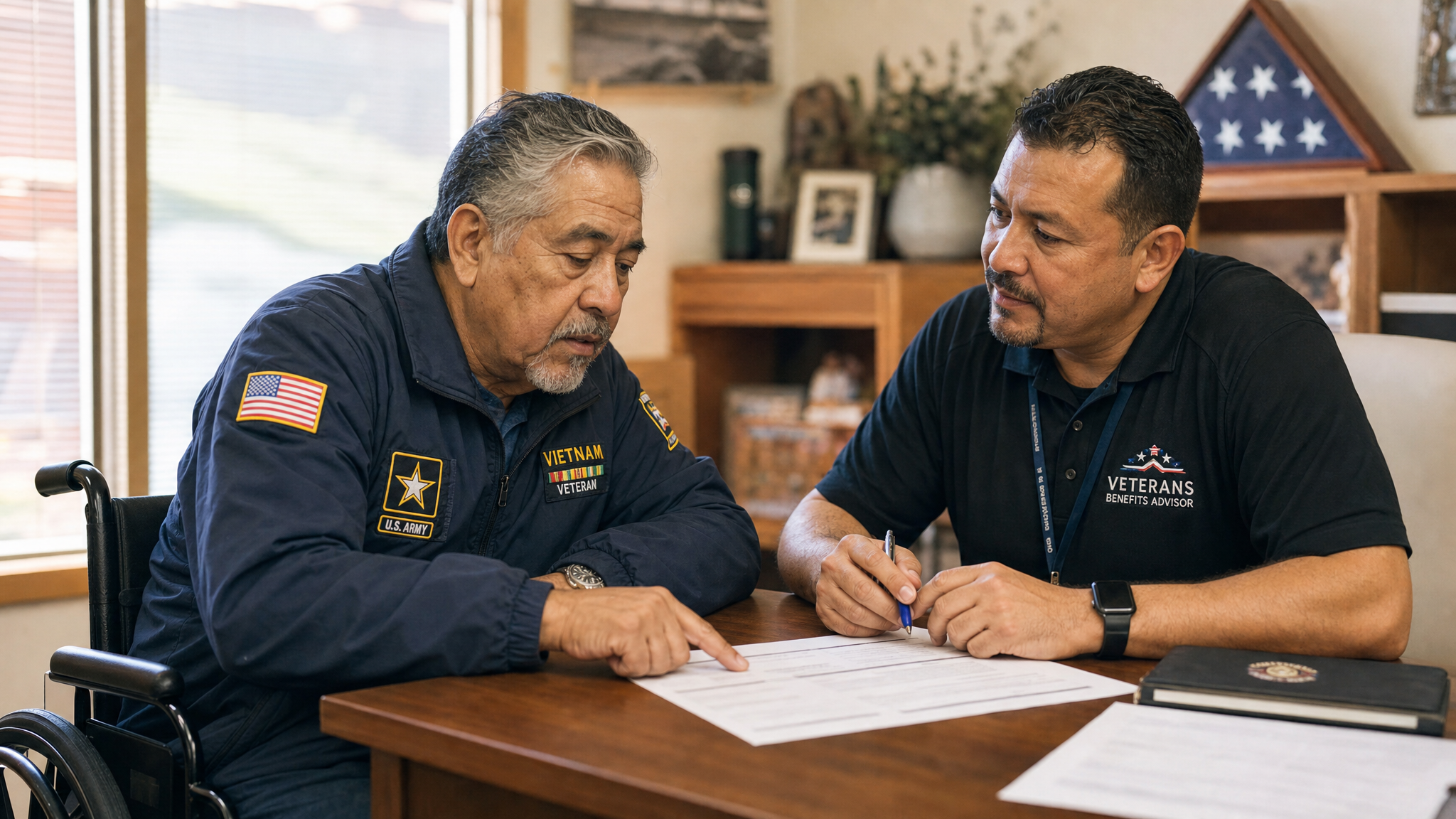
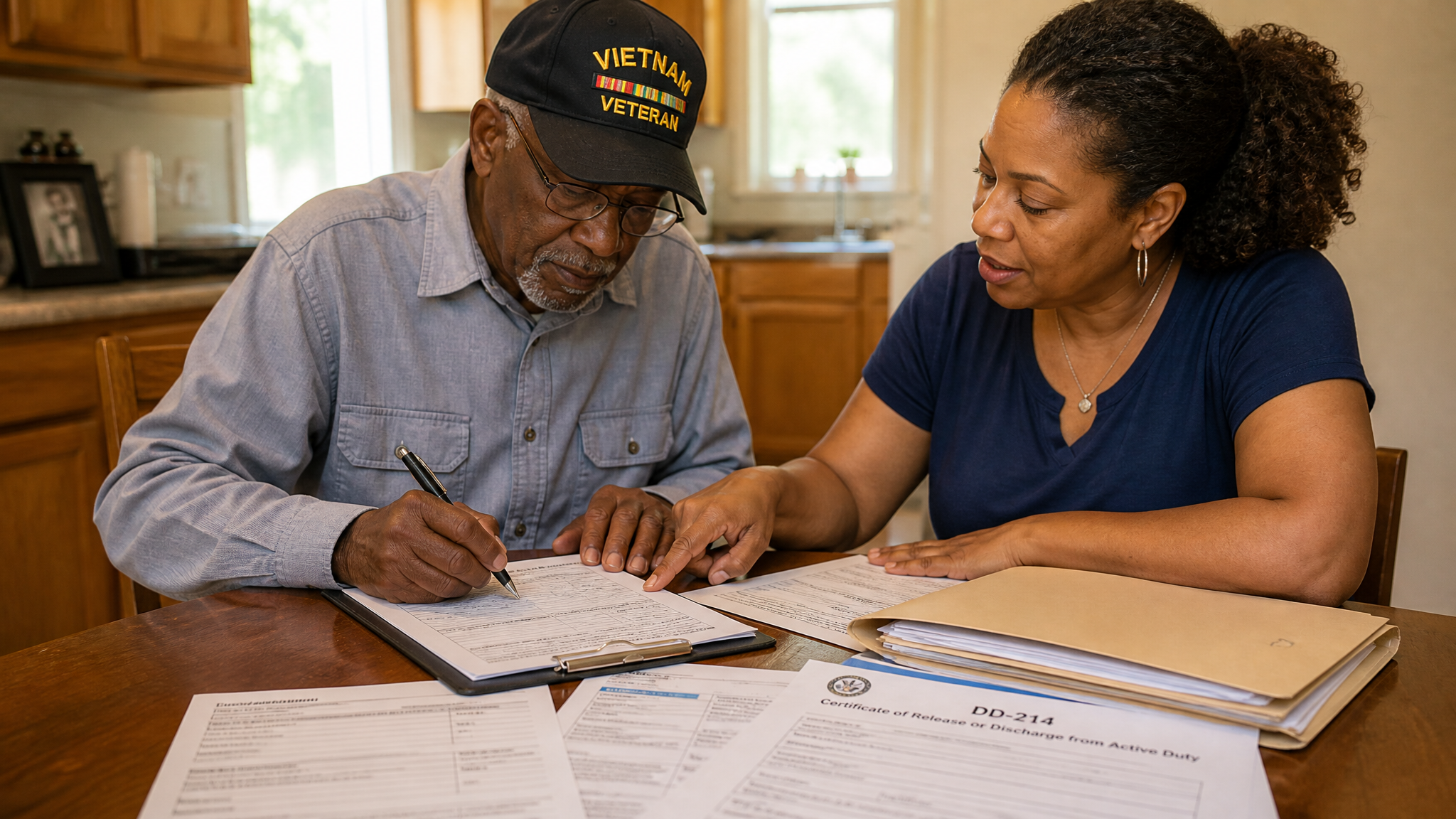
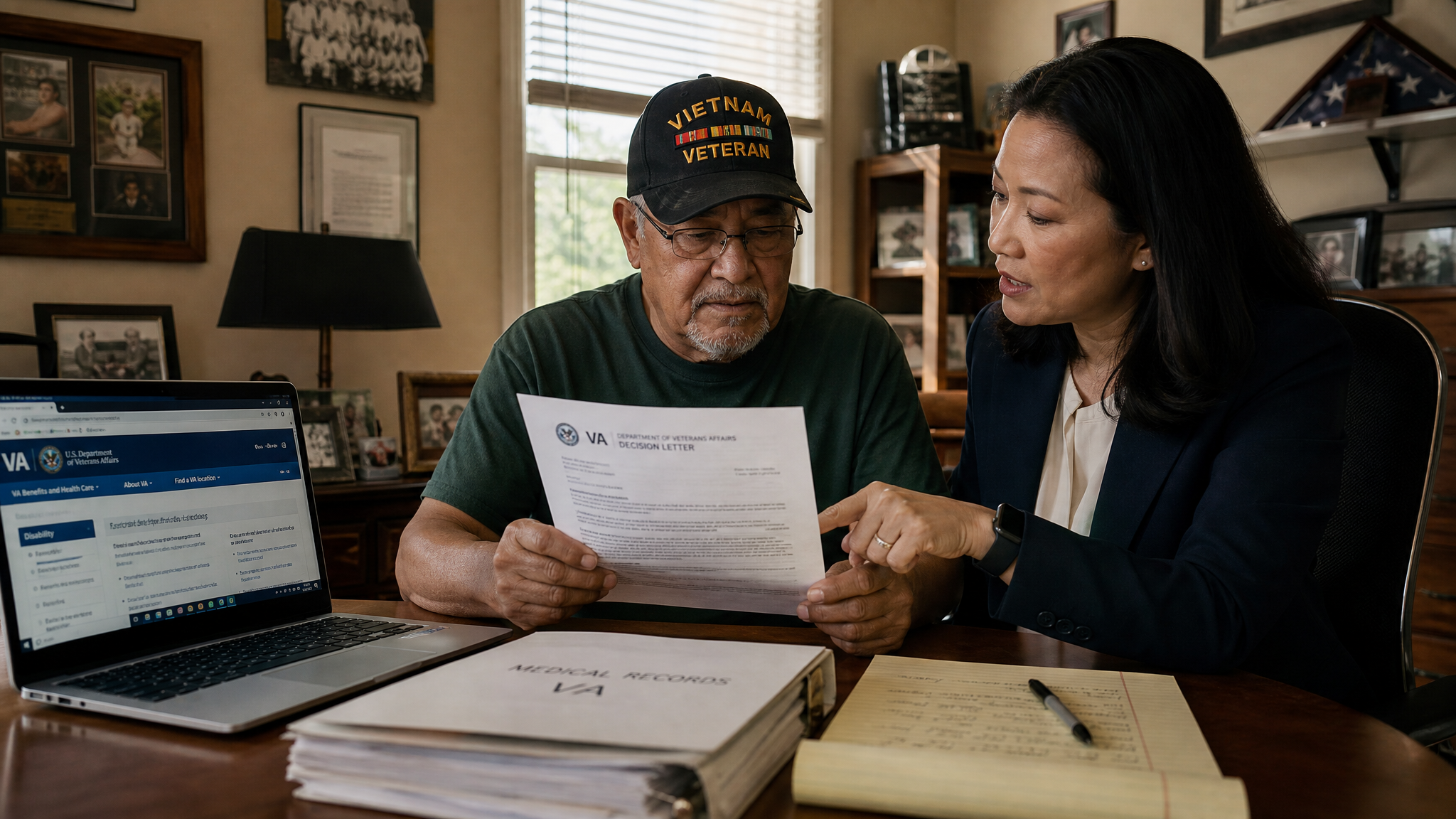
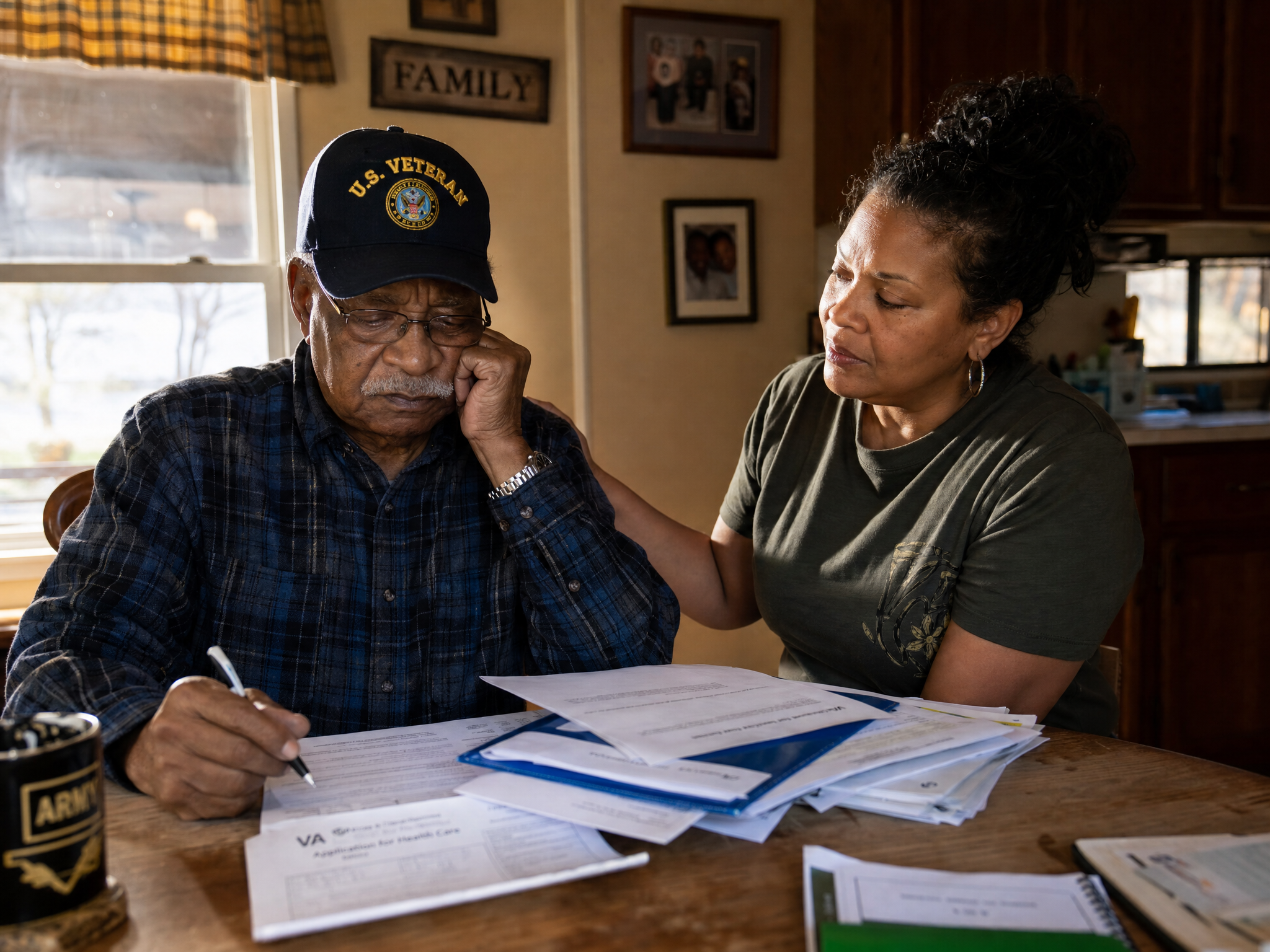






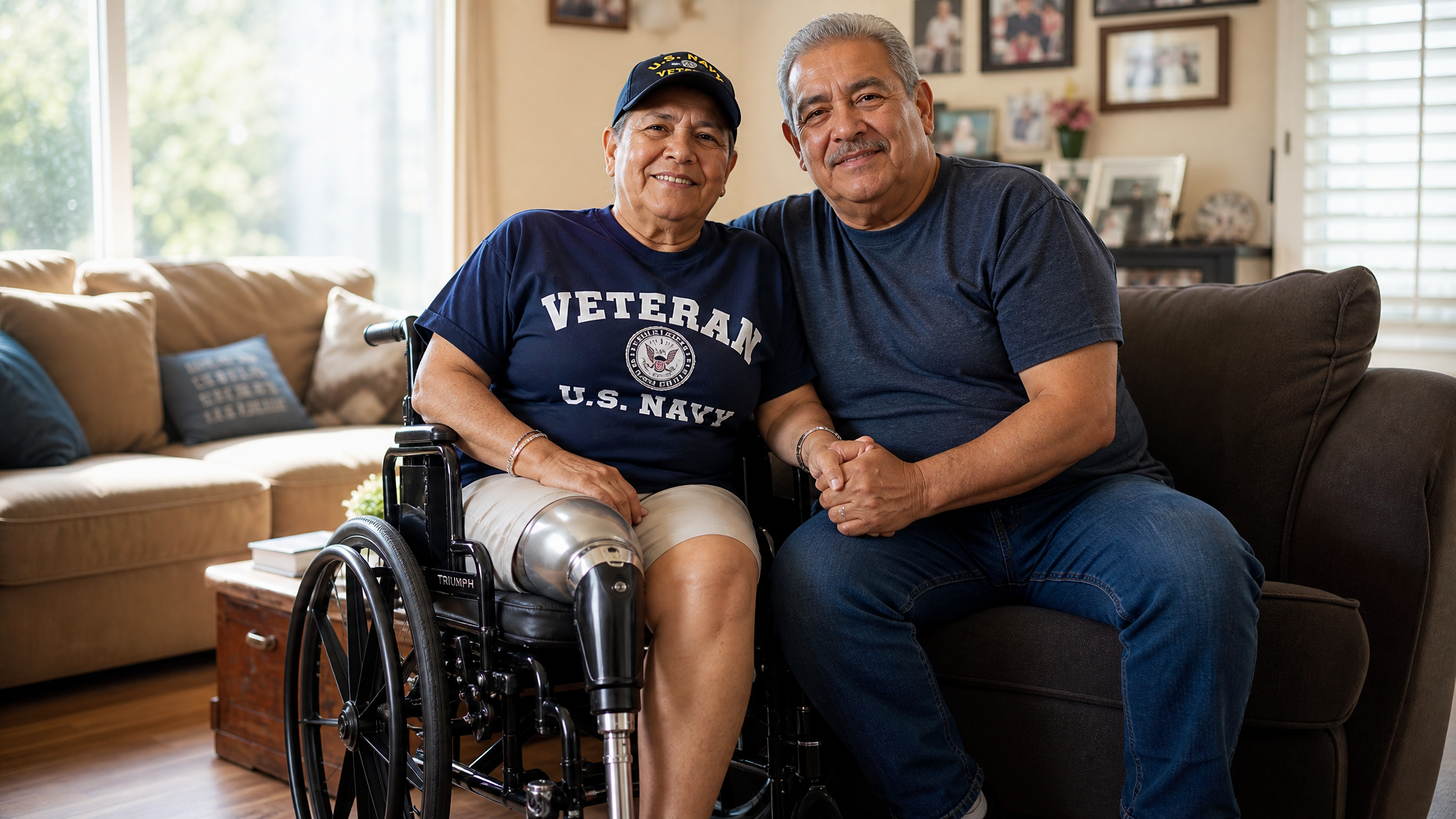





























Free information — get a free benefit review
Tell us how to reach you and an accredited team member will help you understand this benefit and claim everything you have earned. No cost, no obligation.
Ready to hire us? Register with us
For veterans who’ve decided they want us on their claim — registering is free too, and it does not make you our client or obligate you to anything. Here is exactly how it works:
- You register. This simply starts the conversation — you are not our client yet, and you owe us nothing.
- You sign and return VA Form 21-22a. It appoints us as your accredited representative and gives us access to your VA file.
- Once we have your signed 21-22a and access to your case, we verify everything is in order.
It involves the registration form and signing VA Form 21-22a — by law we can’t accept your claim, work on it, or contact the VA for you until that power of attorney is signed. You decide whether to move forward.
Official VA links
Answers, in plain language
Common questions about Correcting Your Military Records (BCMR / DD Form 149)
What is Correcting Your Military Records (BCMR / DD Form 149)?
Mistakes in a military record - a wrong discharge reason, a missing award, an unfair evaluation, a denied medical retirement, or a pay error - can cost real money and benefits for years. Each branch has a Board for Correction of Military Records that can fix these errors or injustices. It is a powerful, no-cost remedy that many veterans never know exists.
Who qualifies for Correcting Your Military Records (BCMR / DD Form 149)?
This benefit is generally for: Veteran with an error in their service record, Veteran denied pay, rank, or a medical retirement, Family correcting a late veteran's record. What a Board for Correction of Military Records can and cannot fix How to file DD Form 149 and to which branch board
How do I apply for Correcting Your Military Records (BCMR / DD Form 149)?
Complete DD Form 149 and send it to the correction board for your branch - the Army (ABCMR), Navy and Marine Corps (BCNR), Air Force and Space Force (AFBCMR), or Coast Guard (BCMR). Clearly state the exact error or injustice and the specific correction you want. Attach every supporting document you can: service and medical records, VA rating decisions, orders, evaluations, and sworn statements. Explain any delay past three years so the board can waive the deadline. Processing usually takes about 12-18 months, and an accredited VSO or attorney can help at no upfront cost.
What does it cost to get help with Correcting Your Military Records (BCMR / DD Form 149), and are you VA-accredited?
The board starts by presuming your record is correct, so the burden is on you to prove otherwise - vague requests get denied. The applications that win are specific ("change block 28 from X to Y") and backed by documents. If you are past the three-year mark, do not give up: explain why (you only just learned of the error, you were dealing with illness, records recently surfaced) and ask for a waiver in the interest of justice. And try your branch's routine records channels first, since the board expects you to exhaust them. It is free to talk with us, and no one may charge you to file a first-time VA claim. The Aging Veteran is led by Albert L.