
Veteran Benefits
TDIU: Individual Unemployability
Total Disability based on Individual Unemployability (TDIU) pays you the same as a 100% rating when service-connected conditions keep you from holding steady, gainful work - even if your rating is well below 100%. One condition at 60% opens the door, or a combined 70% with at least one condition rated 40% or higher.

There’s a free calculator on this page - check if you could be paid at the 100% rate. No sign-up, no cost.
Who this is for
If one service-connected condition is rated 60% or higher - or your conditions combine to 70% with at least one at 40% - and you can no longer hold down a real job, you may be owed the full 100% check right now. It is called TDIU, and it is one of the most overlooked benefits for older veterans who quietly stopped working years ago.
In plain language
What TDIU: Individual Unemployability covers
- Monthly compensation at the full 100% rate without being rated 100% on paper
- Applies when service-connected conditions - physical or mental - prevent substantially gainful employment
- Can be granted on a schedular basis (the 60% / 70% rules) or extra-schedular when your case is unusual
- Often opens the same add-on doors as a 100% rating: dependent benefits, and if made permanent, Chapter 35 DEA and CHAMPVA for the family

Total Disability Individual Unemployability (TDIU)Official video - VA Claims Insider
5 things most veterans aren't aware of
These apply to nearly every VA claim - and they change how much you get and when.
Your filing date sets your back pay
Benefits are generally paid back to the day you file - not the day you are approved. Filing an intent to file today can protect months, even years, of retroactive pay.
One condition can trigger others (secondary claims)
A service-connected condition that causes another - like sleep apnea from PTSD, or a bad knee from a bad hip - can be rated on its own. Each secondary condition adds to your rating.
A medical nexus is what wins the claim
The VA needs a documented link between your condition and your service. A clear nexus opinion is often the difference between an approval and a denial.
Accredited help is free to file an initial claim
By law, an accredited agent cannot charge a fee to prepare and file your original claim. If someone asks for money up front to file, that is a red flag.
A denial is not the end of the road
You have three appeal lanes - Higher-Level Review, a Supplemental Claim with new evidence, and the Board of Veterans Appeals. Many denials are overturned on review.
$3,938.58/mo
2026 payment at the 100% rate for a single veteran
60% or 70%
The rating doors in under 38 CFR 4.16(a)
Full 100% pay
Even when your combined rating is lower on paper
The full picture
Everything you need to know
Nothing hidden behind a click, and nothing you have to go looking for on another website. Here is the whole story in plain language - the facts and the figures first - so you can decide what fits your situation.
Key facts & current figures
- TDIU pays you at the full 100% rate even when your combined rating is lower - in 2026 that is $3,938.58/mo for a single veteran and roughly $4,158/mo with a spouse.
- The usual door in (38 CFR 4.16a): one condition at 60%, OR a combined 70% with at least one condition rated 40% or higher.
- If you fall just short of those numbers, VA can still grant it on an extra-schedular basis (4.16b) - the rules bend for real-world unemployability.
- "Unemployable" does not mean bedridden. It means you cannot hold substantially gainful work; odd jobs earning less than the federal poverty line ('marginal employment') do not count against you.
- File VA Form 21-8940 (and your last employer returns a 21-4192). There is no separate exam fee - the whole process is free.
General figures, current as of December 2025 and reviewed each year. Your exact amount depends on your situation - always confirm on va.gov.
What TDIU actually is
- TDIU is a way to be paid at the 100% rate without having a 100% rating on paper. VA recognizes that a combination of conditions can make you unable to work long before the rating math reaches 100%.
- It is authorized by 38 CFR 4.16. The idea is simple: if your service-connected conditions - not your age, not a non-service condition - keep you from earning a real living, VA compensates you as if you were totally disabled.
- "Am I effectively 100%?" is exactly the question TDIU answers. If you are rated 70% but genuinely cannot hold a job because of those conditions, TDIU may put your check at the 100% level.
Do your ratings open the door? (the 4.16a rule)
- One condition at 60% or higher meets the threshold on its own.
- Two or more conditions meet it when your combined rating is 70% or higher AND at least one condition is rated 40% or higher.
- Certain related conditions are treated as one disability for this rule - for example, disabilities from a single accident, from one body system, or both legs - which can help you reach that 40% or 60% figure.
What if you fall just short? (extra-schedular, 4.16b)
- If you do not meet the 60% / 70% math, VA can still grant TDIU on an extra-schedular basis when your conditions clearly prevent gainful work.
- These cases go to VA's Director of Compensation Service for a special look. The numbers are not the final word - your real ability to work is.
- This is where a well-documented claim matters most: medical opinions, work history, and a clear picture of why you cannot stay employed.
What "unable to work" really means
- The standard is substantially gainful employment - work that pays above the federal poverty threshold for one person.
- Marginal employment does not disqualify you. Odd jobs, a few hours here and there, or a protected job where an employer makes special allowances can still be consistent with TDIU.
- It is about your service-connected conditions. Being retired by age alone is not the test; the test is whether those conditions would keep you from working if you tried.
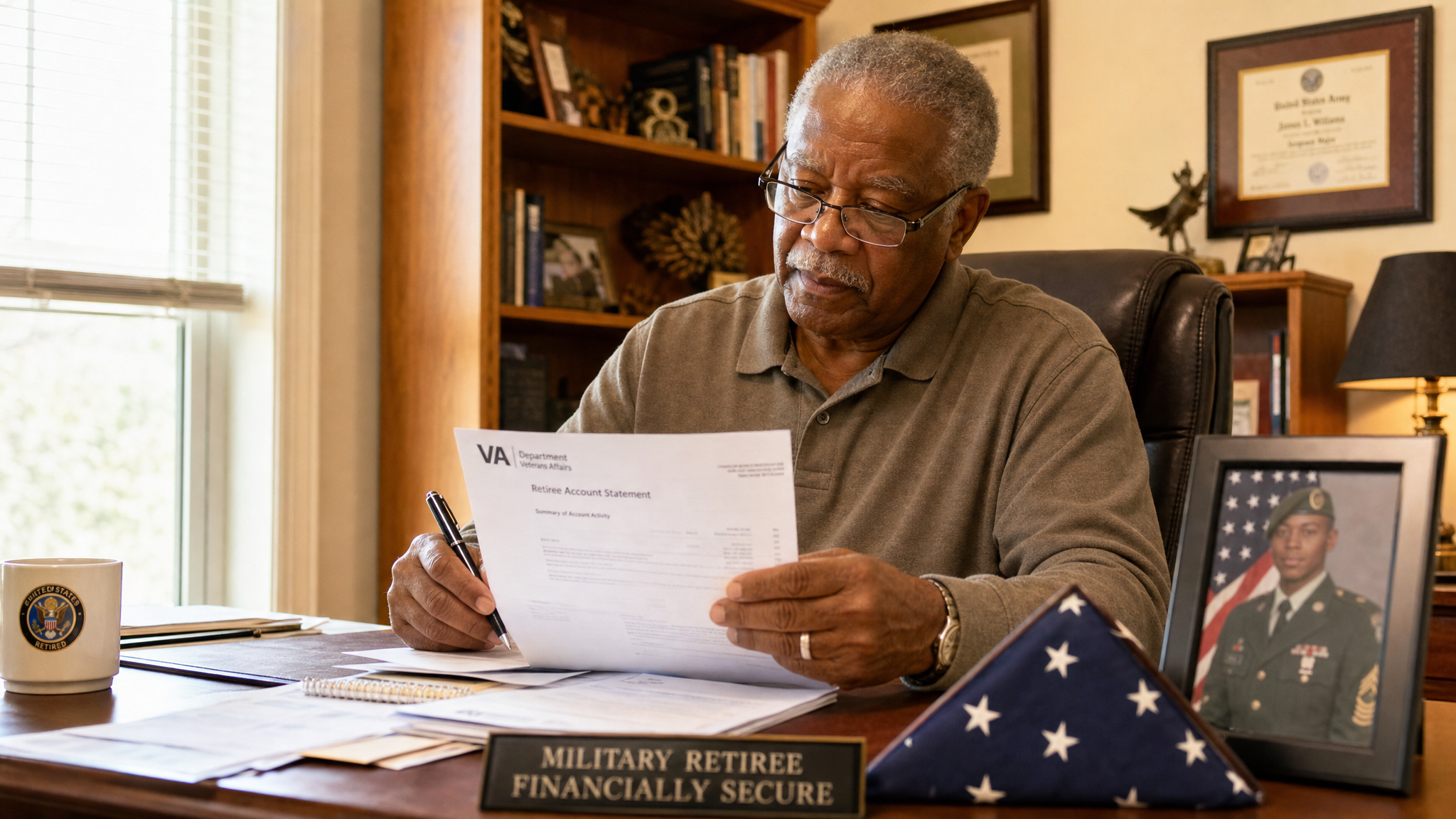
Retired or on Social Security? You may still qualify
- This is one of the biggest misconceptions we see: a veteran assumes that because they collect Social Security or are officially "retired," TDIU is off the table. That is wrong. Social Security retirement benefits do not disqualify you from TDIU, and neither does a military pension.
- The VA test is not "are you retired?" The test is: would your service-connected conditions prevent you from holding substantially gainful employment if you tried? If the answer is yes, you may qualify - whether you are 62 or 82, whether you draw Social Security, and whether you have been out of the workforce for years.
- Here is the reality for most Americans: retirement is not enough. The average Social Security check in 2026 is roughly $1,976 a month. Most retirees still work part-time or rely on savings to cover the gap. TDIU at the 100% rate adds $3,938.58/mo - that is life-changing money on top of what you already receive.
- Social Security is NOT earned income for TDIU purposes. It is a separate entitlement. You can collect both simultaneously. The same is true for military retired pay (though CRDP/CRSC offset rules may apply to that piece - we walk you through it).
- If you stopped working because your knees gave out, your PTSD made it impossible to hold a job, or your heart condition and diabetes together wore you down - and you happen to also be drawing Social Security - you did not lose TDIU eligibility. You may have gained it.
- Many veterans we work with are in their 60s, 70s, and 80s. They assumed the window closed when they retired. It did not. There is no age limit on TDIU, no deadline to file, and the process is free.
TDIU vs. Permanent & Total (P&T) - the difference
- A 100% schedular rating and TDIU pay the same monthly amount. The difference is how you got there.
- "Permanent" is a separate label from TDIU. TDIU can be temporary (subject to future reviews) or marked permanent when VA does not expect improvement.
- Yes - you can be P&T under TDIU. When TDIU is granted as permanent, it unlocks the same family doors as a permanent 100% rating: Chapter 35 DEA education benefits and CHAMPVA health coverage for your dependents, and it generally stops routine re-examinations.
Benefits for your dependents
- Because TDIU pays at the 100% rate, your monthly check includes the dependent add-ons for a spouse, children, and dependent parents - just like a 100% rating.
- If your TDIU is permanent, your spouse and children may qualify for Chapter 35 (DEA) education and training benefits and CHAMPVA health coverage.
- Aid and Attendance (SMC) can be added on top if you need daily help - TDIU does not cap you out of higher special monthly compensation.
Step by step: how to file (this is always free)
- Step 1: Gather your rating decision, your recent work history (employers and dates), and any medical records that speak to why you cannot work.
- Step 2: File VA Form 21-8940. VA will mail VA Form 21-4192 to your recent employers to confirm your earnings and the reason you left.
- Step 3: Ask your treating doctor for a short statement linking your service-connected conditions to your inability to hold gainful work - this is often the deciding evidence.
- Step 4: If you were already unable to work earlier, say so; TDIU can be paid back to an earlier effective date when the evidence supports it.
Could you qualify for the 100% rate?
TDIU eligibility screener
Answer a few questions about your ratings and your ability to work. We'll check the schedular door (the 60% and 70% rules under 38 CFR 4.16) and explain your extra-schedular options - so you know whether you may be owed the full 100% payment even without a 100% rating.
Your service-connected ratings
Highest single condition
The one service-connected condition with your biggest rating.
Combined rating
Your overall combined VA rating across all conditions.
The schedular gate: one condition at 60%+, or a combined 70%+ with at least one condition at 40%+. Below that, an extraschedular claim is still possible.
Your work situation
Your dependents
TDIU pays at the 100% rate, and dependents add to that amount - so let us include them.
Are you married?
Dependent children under 18
Include school-age children you support
TDIU pays at the 100% rate
$4,158.17/mo
Tax-free, at the 100% rate with your dependents
You appear to meet the schedular TDIU threshold
Your ratings satisfy the 60% single / 70%-combined-with-a-40% rule. If service-connected conditions keep you from steady work, TDIU can pay you at the full 100% rate shown here.
Educational estimate using current 2026 rates. Eligibility depends on medical and work evidence the VA reviews. Confirm on va.gov.
This calculator is free. No sign-up, no catch.
Most people in this business hide tools like this behind a paywall or a sign-up form. We don’t. Use it as much as you need. And if you want a real accredited agent to look at your actual claim, we’re one call away — it’s free to talk, and free to file your claim.
Albert L. Thombs Jr. — VA-accredited claims agent (#45147), a disabled veteran with a team of advocates who do this every day.
Your complete benefit picture
$3,938.58/mo
what TDIU can pay a single veteran - the full 100% rate - even when your combined rating is only 60% or 70%.

Two ways to move forward — both free
Not sure if this applies to you?
Ask our free assistant a few plain questions and get an honest read on what you and your family may qualify for, at no cost. It takes just a few minutes, and there is no sign-up and no obligation of any kind. You will get a clear, plain-language picture of where you stand and what might be worth filing. And if you would rather talk to a real person, an accredited agent is only a message away.
Have a question? Get free information
Ask a question, learn what you may be owed, or find out where you stand. Confidential, free, and no obligation to go any further.
Ready to hire us? Register
Decided you want us to work your claim? Registering is free — we match you with an accredited advocate and get you started. We cannot begin until you sign VA Form 21-22a, and fees, if any, are always disclosed up front.
One of the most overlooked benefits
You may be owed the 100% rate right now
Many older veterans sit at 60% or 70%, no longer able to work, and never realize TDIU can pay them at the full 100% rate. It is one of the most under-claimed benefits for seniors who quietly stopped working years ago.
"Unemployable" does not mean bedridden - it means you cannot hold substantially gainful work. Odd jobs earning below the federal poverty line count as marginal employment, and marginal employment cannot be held against you.
And under 38 CFR 4.19 the VA may not deny TDIU because you are old enough to retire. Only your service-connected conditions may be weighed - not your age, and not the fact that most people your age have already stopped working.
Fall just short?
If you miss the 60% / 70% math, the VA can still grant TDIU on an extra-schedular basis under 38 CFR 4.16(b) - but that referral has to be asked for by name. It is almost never volunteered.
If made permanent
Permanent TDIU can unlock Chapter 35 education and CHAMPVA health coverage for your family.
A clear path forward
Your step-by-step action plan
No rush and no pressure - but a little order helps. Applying is always free.
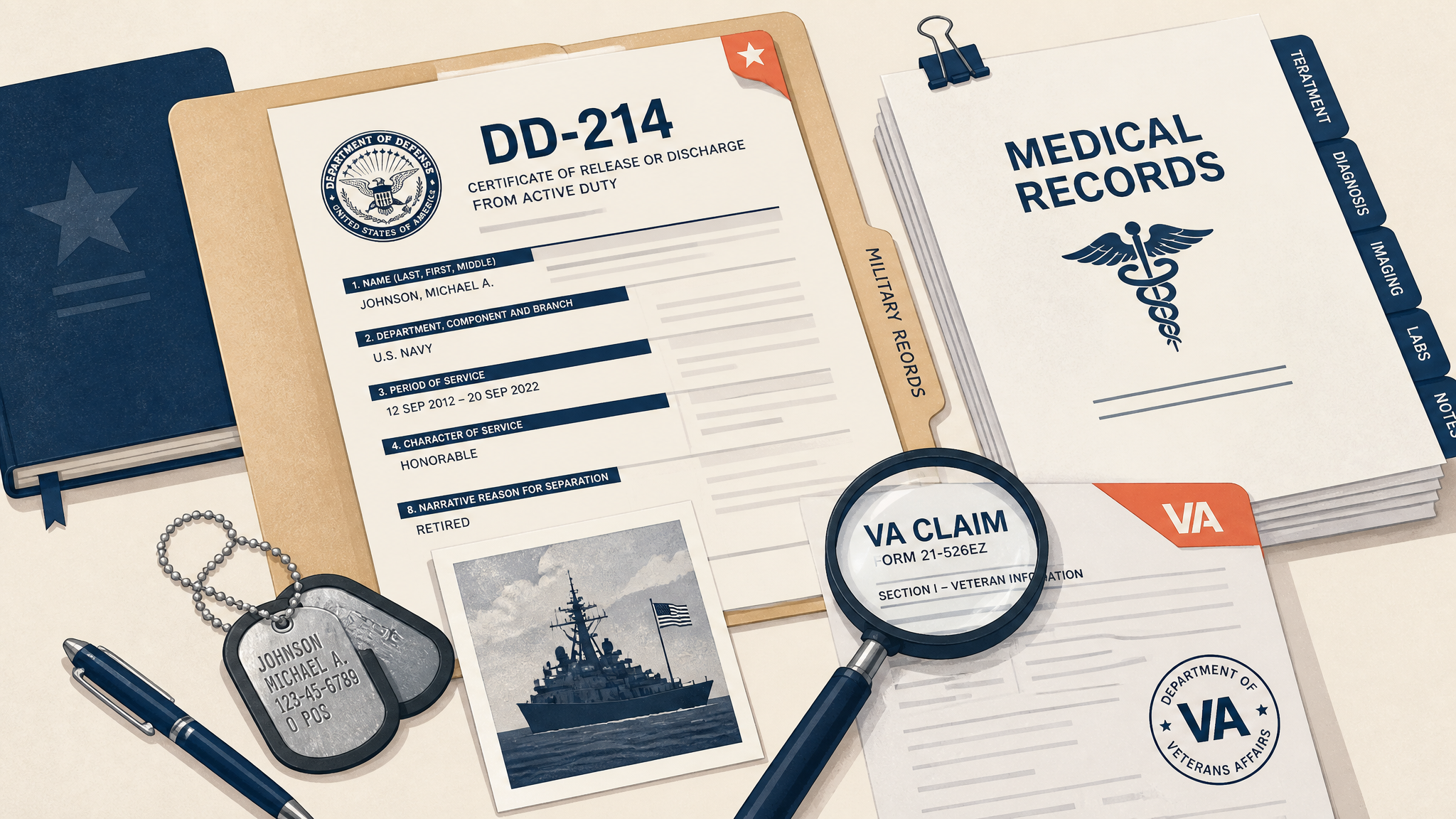
FIG. 01 - Gather your paperwork
First
Gather your records
Pull your rating decision, your recent work history (employers and dates), and medical records that speak to why you cannot work.
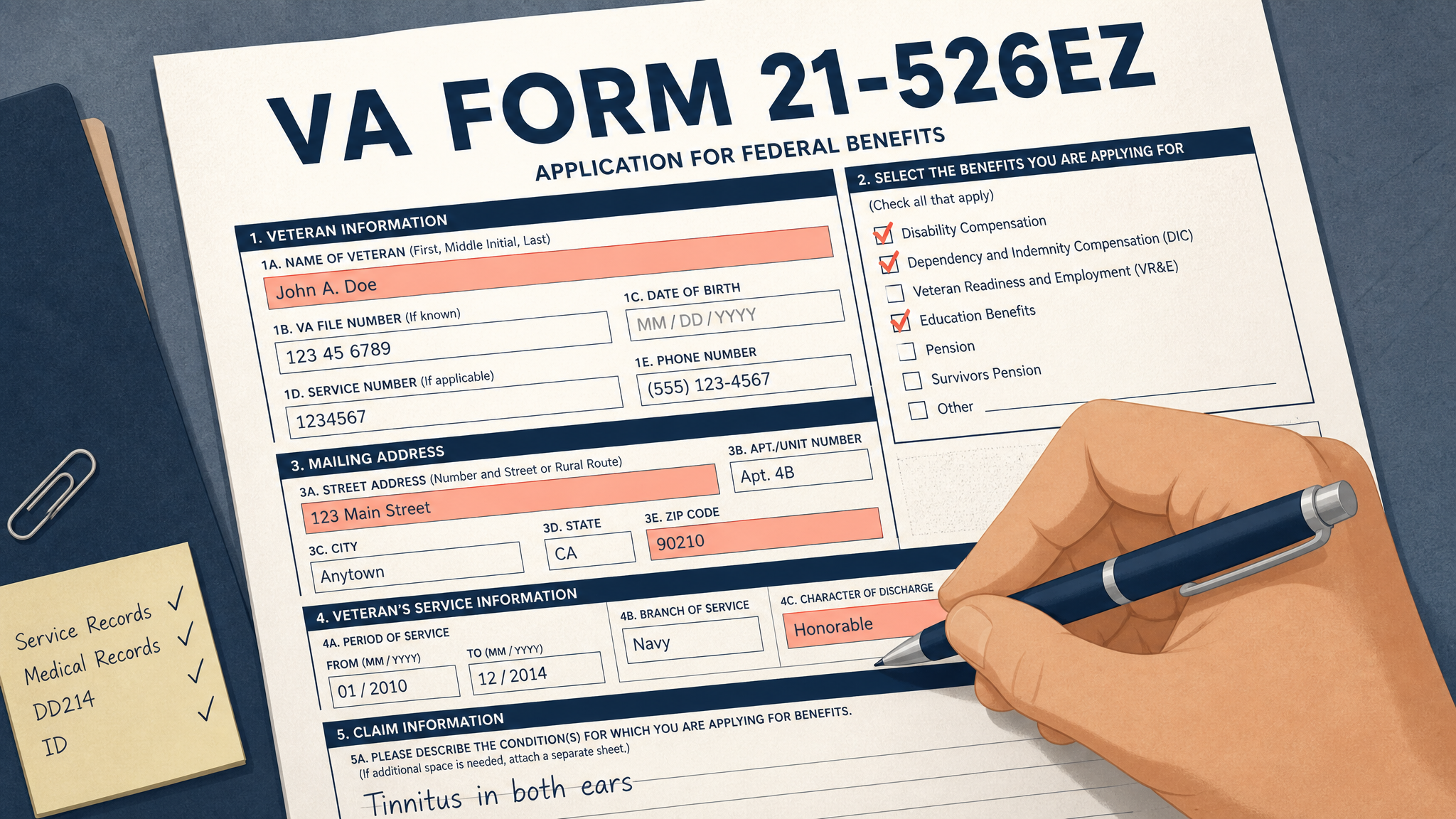
FIG. 02 - Fill out the form
File the form
Submit VA Form 21-8940
The VA will mail Form 21-4192 to your recent employers to confirm your earnings and why you left.
FIG. 03 - File the claim
Strongest evidence
Get a doctor’s statement
Ask your treating doctor to link your service-connected conditions to your inability to hold gainful work - this is often the deciding evidence.
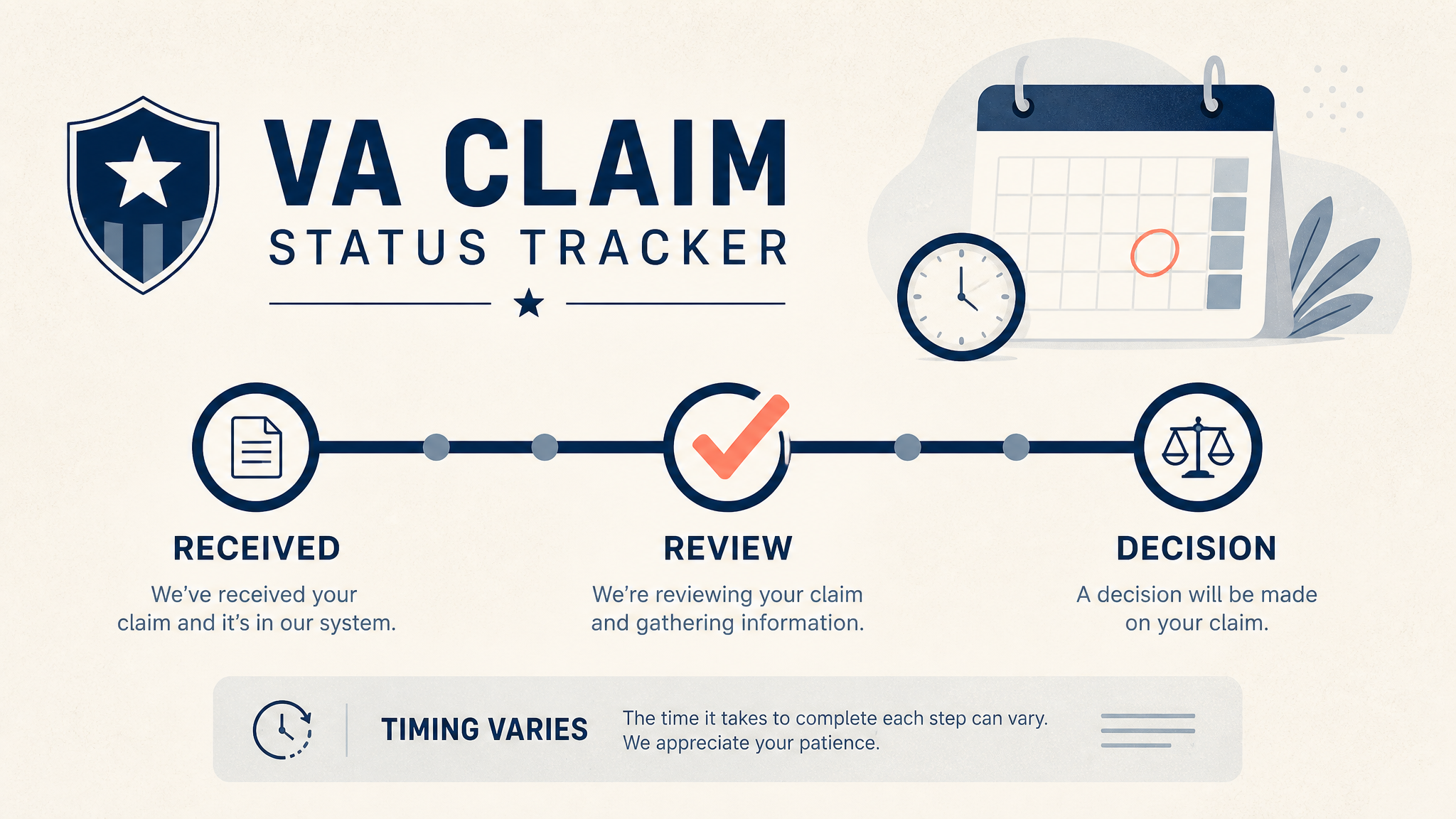
FIG. 04 - After you file
Do not forget
Ask for an earlier date
If you were unable to work earlier, say so - TDIU can be paid back to an earlier effective date when the evidence supports it.
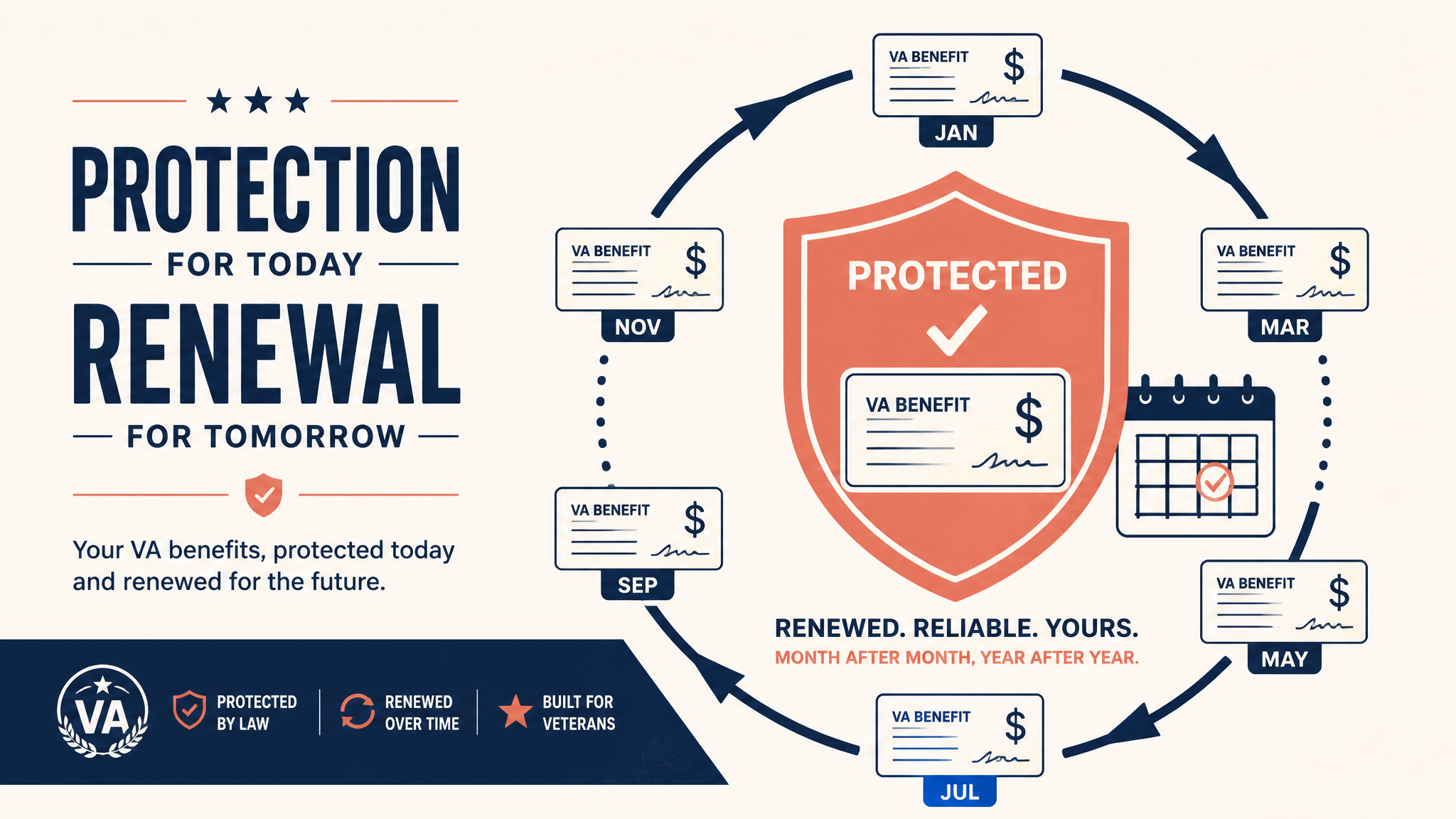
FIG. 05 - Keep it working
If denied
Name 4.16(b) in the appeal
Cite 38 CFR 4.16(b) and ask that your case be referred to the Director of Compensation Service. A denial that never mentions 4.16(b) has not fully considered your claim. And if Form 21-4192 came back blank or never came back at all, send your own W-2s and a written statement instead of waiting on the employer.
Who to call & where to go
These are free, official VA lines. Have your Social Security number handy when you call.
VA Benefits Hotline
Compensation, pension, and general claim questions.
MyVA411 - Main VA Line
Not sure who to call? Start here. One number for anything VA - they route you to the right office.
Rather have us handle it?
No phone tag, no hold music. Call our office and a real, VA-accredited person walks you through it - start to finish.
702-992-4883Not sure where to start?
File VA Form 21-8940 (Application for Increased Compensation Based on Unemployability). VA will send VA Form 21-4192 to your recent employers to confirm your work history. A statement from your doctor tying your conditions to your inability to work is powerful evidence.
More benefits for veterans
These often go hand in hand - tap any card to learn more.

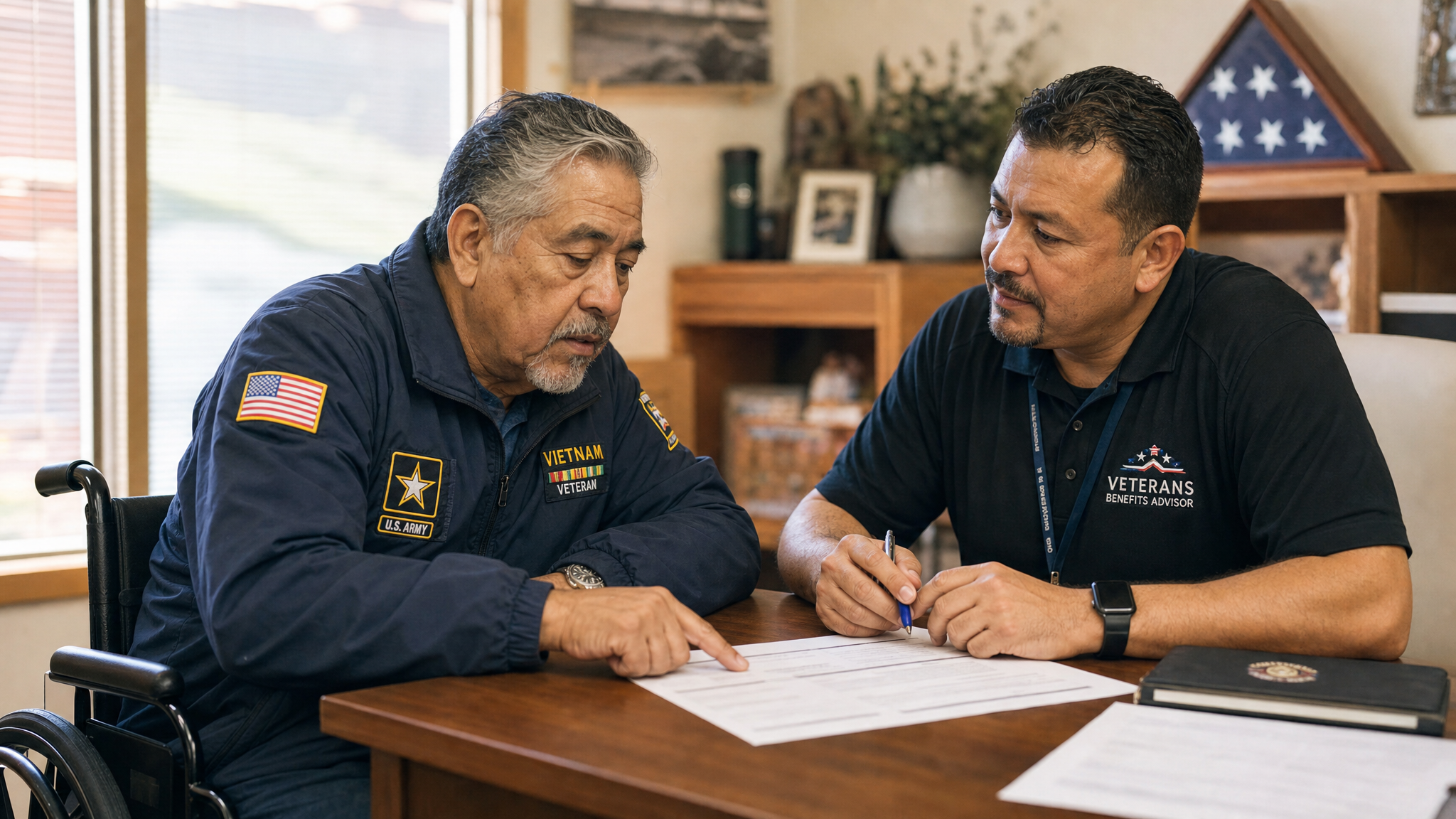
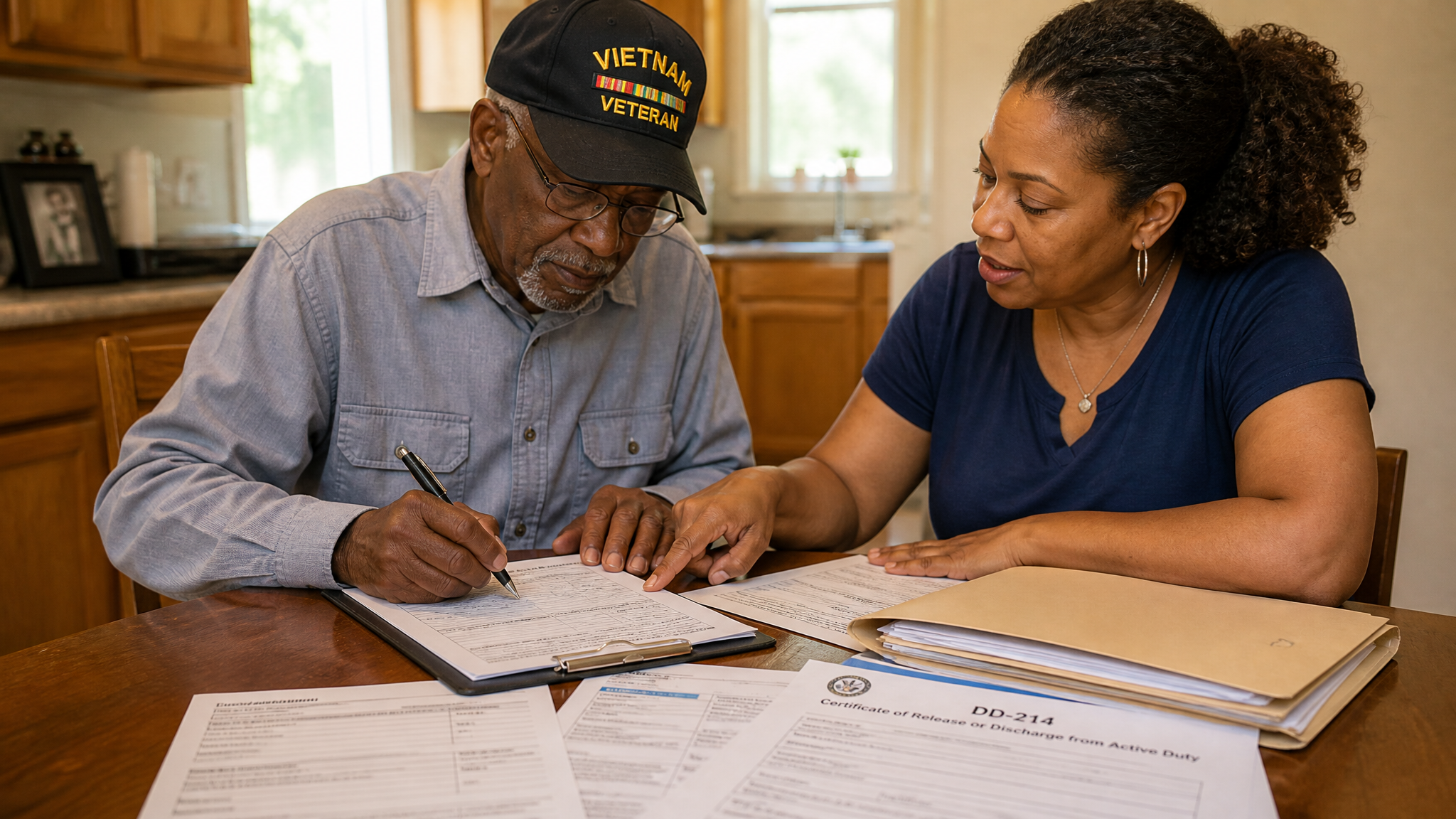
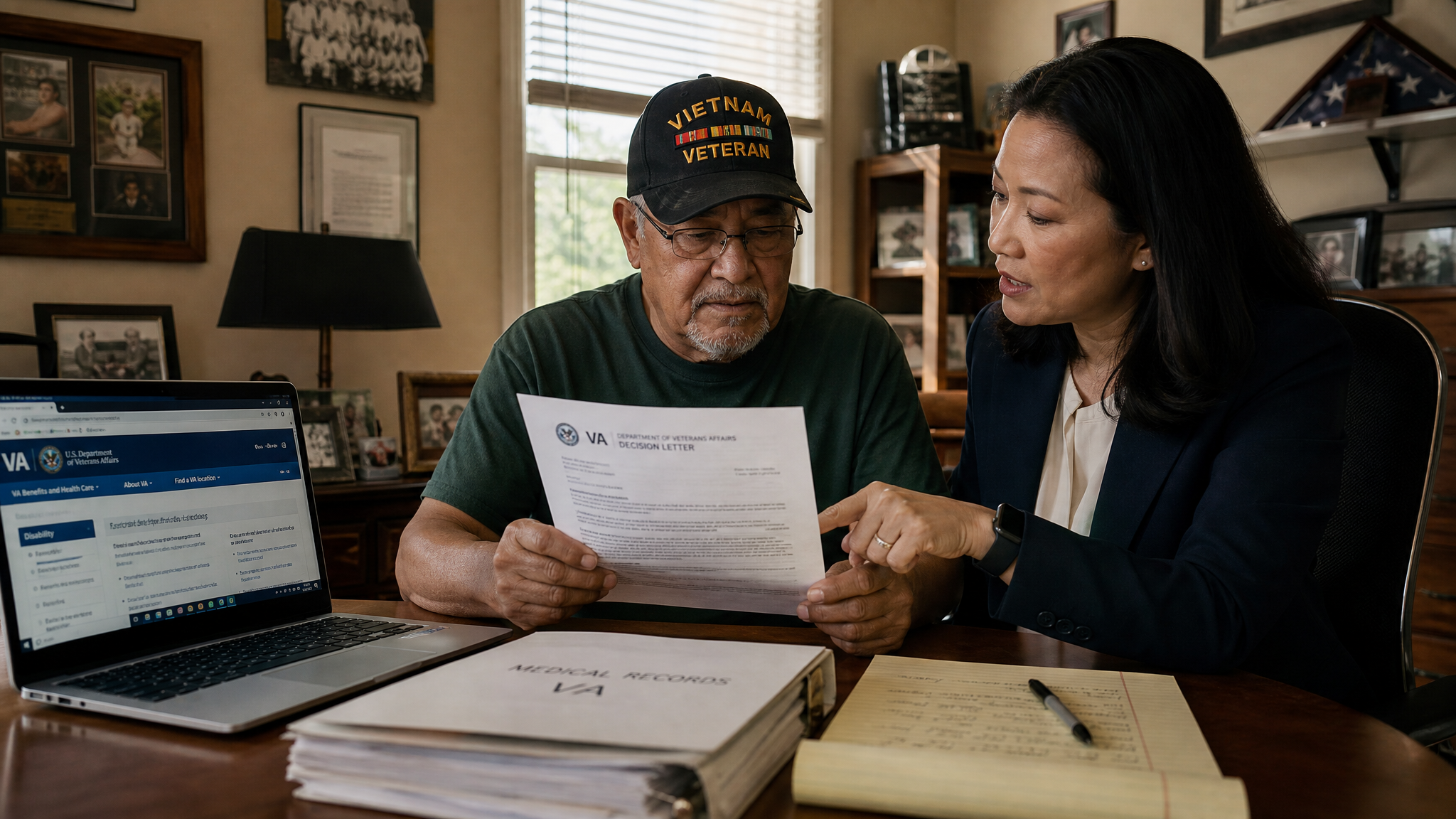







































Free information — get a free benefit review
Tell us how to reach you and an accredited team member will help you understand this benefit and claim everything you have earned. No cost, no obligation.
Ready to hire us? Register with us
For veterans who’ve decided they want us on their claim — registering is free too, and it does not make you our client or obligate you to anything. Here is exactly how it works:
- You register. This simply starts the conversation — you are not our client yet, and you owe us nothing.
- You sign and return VA Form 21-22a. It appoints us as your accredited representative and gives us access to your VA file.
- Once we have your signed 21-22a and access to your case, we verify everything is in order.
It involves the registration form and signing VA Form 21-22a — by law we can’t accept your claim, work on it, or contact the VA for you until that power of attorney is signed. You decide whether to move forward.
Answers, in plain language
Common questions about TDIU: Individual Unemployability
What is TDIU: Individual Unemployability?
Total Disability based on Individual Unemployability (TDIU) pays you the same as a 100% rating when service-connected conditions keep you from holding steady, gainful work - even if your rating is well below 100%. One condition at 60% opens the door, or a combined 70% with at least one condition rated 40% or higher.
Who qualifies for TDIU: Individual Unemployability?
This is one of the biggest misconceptions we see: a veteran assumes that because they collect Social Security or are officially "retired," TDIU is off the table. That is wrong. Social Security retirement benefits do not disqualify you from TDIU, and neither does a military pension. The VA test is not "are you retired?" The test is: would your service-connected conditions prevent you from holding substantially gainful employment if you tried? If the answer is yes, you may qualify - whether you are 62 or 82, whether you draw Social Security, and whether you have been out of the workforce for years.
How do I apply for TDIU: Individual Unemployability?
File VA Form 21-8940 (Application for Increased Compensation Based on Unemployability). VA will send VA Form 21-4192 to your recent employers to confirm your work history. A statement from your doctor tying your conditions to your inability to work is powerful evidence.
What does it cost to get help with TDIU: Individual Unemployability, and are you VA-accredited?
TDIU is one of the most under-claimed benefits for older veterans. Many are retired and on Social Security, have a condition at 60% or higher, cannot really work anymore, and never realize they may be owed the full 100% rate on top of what they already receive. Being retired or collecting Social Security does not disqualify you. You can file yourself for free. It is free to talk with us, and no one may charge you to file a first-time VA claim. The Aging Veteran is led by Albert L. Thombs Jr., a VA-accredited claims agent (accreditation #45147) and disabled veteran; any appeal work is handled on a no-fee-unless-you-win basis.