Veteran Benefits
Adaptive Housing Grants (SAH, SHA & HISA)
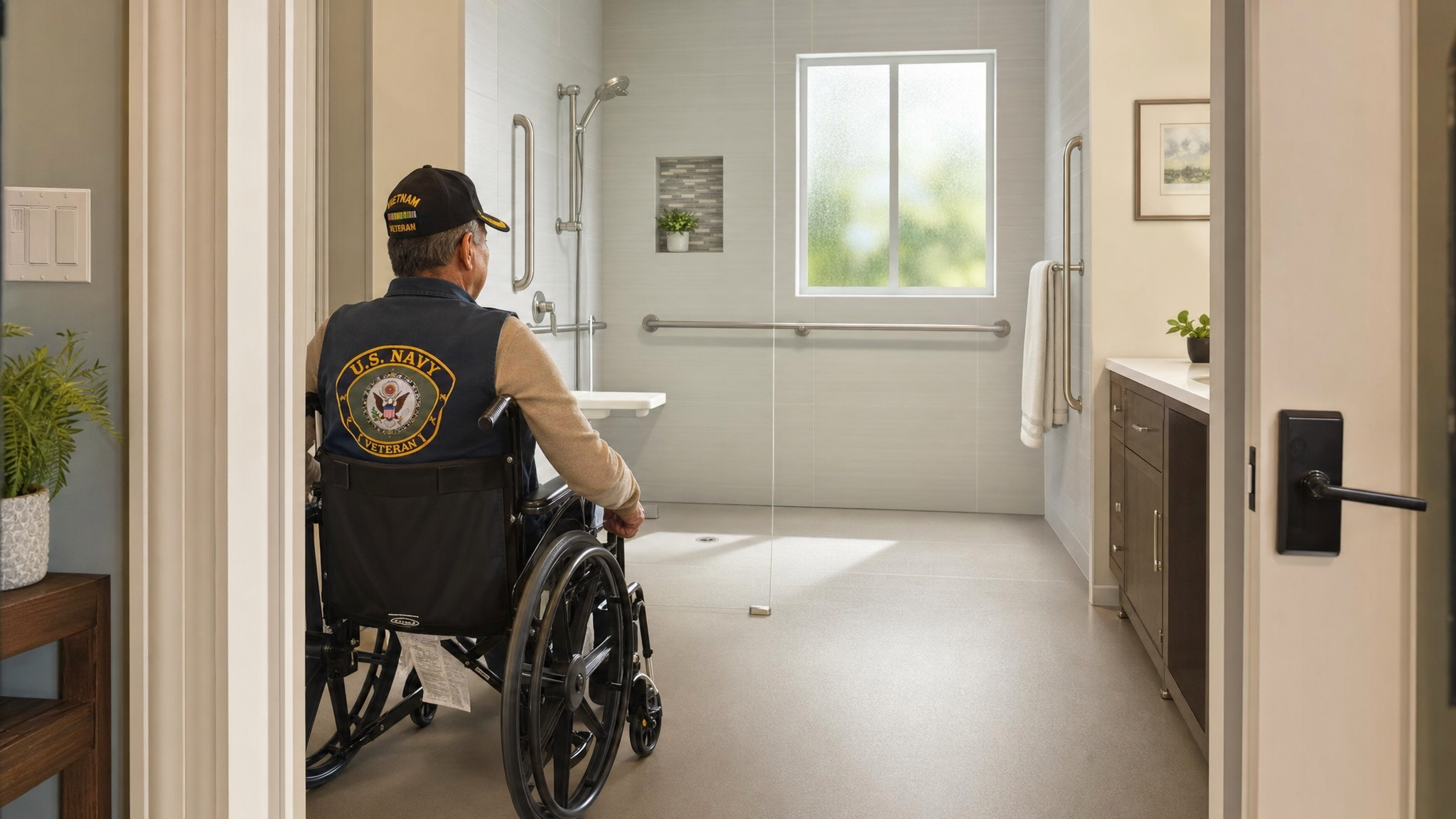
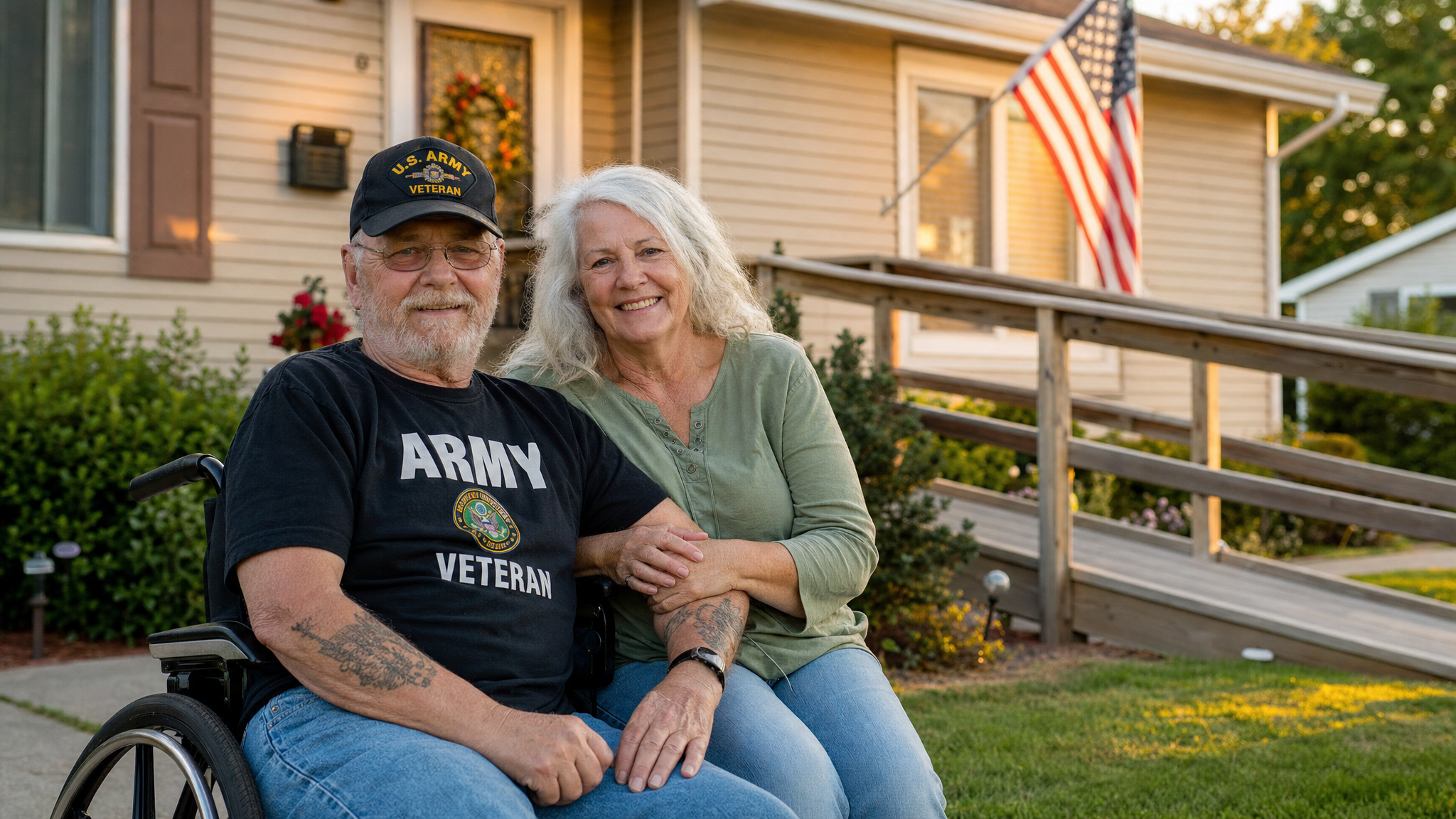
Adaptive housing grants pay to modify a home so a disabled veteran can live in it safely and independently - roll-in showers, widened doorways, ramps, and lowered counters. This is money you never repay, and it is a completely different benefit from the VA home loan. For an aging veteran who wants to stay in their own home instead of moving to a facility, it can be life-changing.
Who this is for
If stairs, tubs, or narrow doorways are making your own home hard to live in, the VA may simply pay to fix that - with grant money you never repay. This is not the home loan; it is a separate benefit built to let you stay where you are, safely.
In plain language
What Adaptive Housing Grants (SAH, SHA & HISA) covers
- Grant money (not a loan) to build, buy, or remodel a home for accessibility
- Roll-in showers, grab bars, widened doorways, ramps, and lowered counters
- SAH - the largest grant, for the most serious service-connected disabilities
- SHA - for conditions such as blindness or loss of use of both hands
- HISA - smaller home-improvement grants, available more broadly
- Temporary Residence Adaptation (TRA) when you live in a family member’s home
Specially Adapted Housing (SAH) & SHA GrantsOfficial video - U.S. Dept of Veterans Affairs
5 things most veterans aren't aware of
These apply to nearly every VA claim - and they change how much you get and when.
Your filing date sets your back pay
Benefits are generally paid back to the day you file - not the day you are approved. Filing an intent to file today can protect months, even years, of retroactive pay.
One condition can trigger others (secondary claims)
A service-connected condition that causes another - like sleep apnea from PTSD, or a bad knee from a bad hip - can be rated on its own. Each secondary condition adds to your rating.
A medical nexus is what wins the claim
The VA needs a documented link between your condition and your service. A clear nexus opinion is often the difference between an approval and a denial.
Accredited help is free to file an initial claim
By law, an accredited agent cannot charge a fee to prepare and file your original claim. If someone asks for money up front to file, that is a red flag.
A denial is not the end of the road
You have three appeal lanes - Higher-Level Review, a Supplemental Claim with new evidence, and the Board of Veterans Appeals. Many denials are overturned on review.
$126,526
Specially Adapted Housing (SAH) grant cap for FY2026
$25,350
Special Home Adaptation (SHA) grant cap for FY2026
up to $6,800
HISA grant for smaller changes - available more broadly
The full picture
Everything you need to know
Nothing hidden behind a click, and nothing you have to go looking for on another website. Here is the whole story in plain language - the facts and the figures first - so you can decide what fits your situation.
Key facts & current figures
- These are grants, not loans - money you do not pay back - to make a home accessible. They are completely separate from the VA home loan.
- The Specially Adapted Housing (SAH) grant is the largest, up to about $126,526 for fiscal year 2026 (confirm the current cap on va.gov), for the most significant disabilities.
- The Special Home Adaptation (SHA) grant is up to about $25,350 for fiscal year 2026, for certain conditions such as blindness or the loss of use of both hands.
- The HISA grant covers smaller changes - up to $6,800 for service-connected veterans - and is available even if you do not qualify for SAH or SHA.
General figures, current as of December 2025 and reviewed each year. Your exact amount depends on your situation - always confirm on va.gov.
Grants, not loans - and separate from the home loan
- The VA home loan helps you buy or refinance a house, and you pay it back. Adaptive housing grants are different - they are money the VA gives you to make a home accessible, and you do not repay it.
- You can use both benefits. A veteran can buy a home with a VA loan and separately receive a grant to adapt it.
- These grants exist so that a disability does not force you out of your own home. They are authorized under 38 USC Chapter 21 and 38 CFR 3.809.
Specially Adapted Housing (SAH) - the largest grant
- SAH is for veterans with the most serious service-connected disabilities - for example, the loss or loss of use of both legs, blindness plus the loss of use of a limb, or certain severe burns.
- For fiscal year 2026 it is worth up to about $126,526 (the cap is adjusted every year - confirm the current figure on va.gov).
- It can be used to build a new adapted home, buy a home already adapted, or remodel your current home for wheelchair access.
SHA and HISA - help at other levels
- The Special Home Adaptation (SHA) grant - up to about $25,350 for fiscal year 2026 - helps veterans with conditions such as blindness in both eyes, the loss of use of both hands, or certain severe breathing or burn injuries.
- The Home Improvements and Structural Alterations (HISA) grant covers smaller, medically necessary changes - ramps, grab bars, roll-in showers, widened doorways - up to $6,800 for a service-connected condition (up to $2,000 for a non-service-connected condition).
- HISA is broader: you can qualify even if you do not meet the SAH or SHA rules, which makes it a practical option for many aging veterans.
Living in a family member’s home
- If you are staying in a home owned by a family member, the Temporary Residence Adaptation (TRA) grant can pay to adapt that home too, up to a smaller limit tied to SAH or SHA.
- This matters for veterans who have moved in with an adult child or sibling and need the bathroom or entrance made safe.
- A VA occupational therapist or the SAH/HISA staff at your VA medical center can help plan exactly what changes qualify.
Your complete benefit picture
$126,526
the most the Specially Adapted Housing grant can pay in fiscal year 2026 to make a home wheelchair-accessible - money you never repay, and entirely separate from the VA home loan. Confirm the current cap on va.gov.
Two ways to move forward — both free
Not sure if this applies to you?
Ask our free assistant a few plain questions and get an honest read on what you and your family may qualify for, at no cost. It takes just a few minutes, and there is no sign-up and no obligation of any kind. You will get a clear, plain-language picture of where you stand and what might be worth filing. And if you would rather talk to a real person, an accredited agent is only a message away.
Have a question? Get free information
Ask a question, learn what you may be owed, or find out where you stand. Confidential, free, and no obligation to go any further.
Ready to hire us? Register
Decided you want us to work your claim? Registering is free — we match you with an accredited advocate and get you started. We cannot begin until you sign VA Form 21-22a, and fees, if any, are always disclosed up front.
Do not miss this
This is a grant you never repay - not the home loan
People hear "VA housing help" and picture the home loan, which you pay back. These are different: adaptive housing grants are money the VA gives you to make a home safe and accessible, and you keep it.
For an aging veteran who wants to stay home instead of moving to a facility, a ramp, a roll-in shower, or a widened doorway can be the difference - and HISA can help even if you do not meet the SAH or SHA rules.
You can use both
A veteran can buy a home with a VA loan and separately receive a grant to adapt it. They are not either-or.
HISA is the broad option
Up to $6,800 for service-connected changes like ramps and grab bars - with looser rules than SAH or SHA.
A clear path forward
Your step-by-step action plan
No rush and no pressure - but a little order helps. Applying is always free.
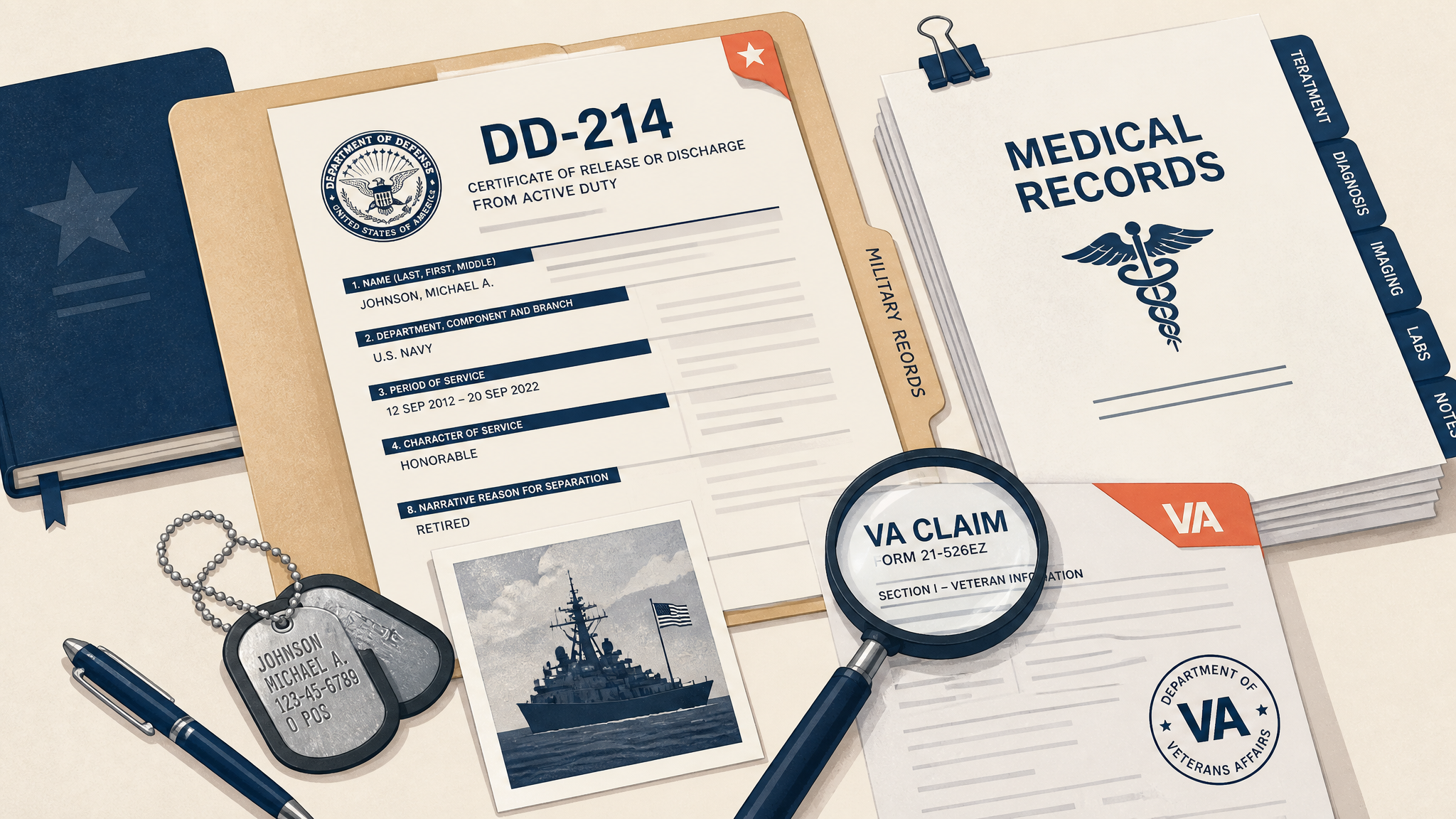
FIG. 01 - Gather your paperwork
First
Figure out which grant fits
SAH for the most serious disabilities, SHA for conditions like blindness or loss of use of both hands, HISA for smaller changes.
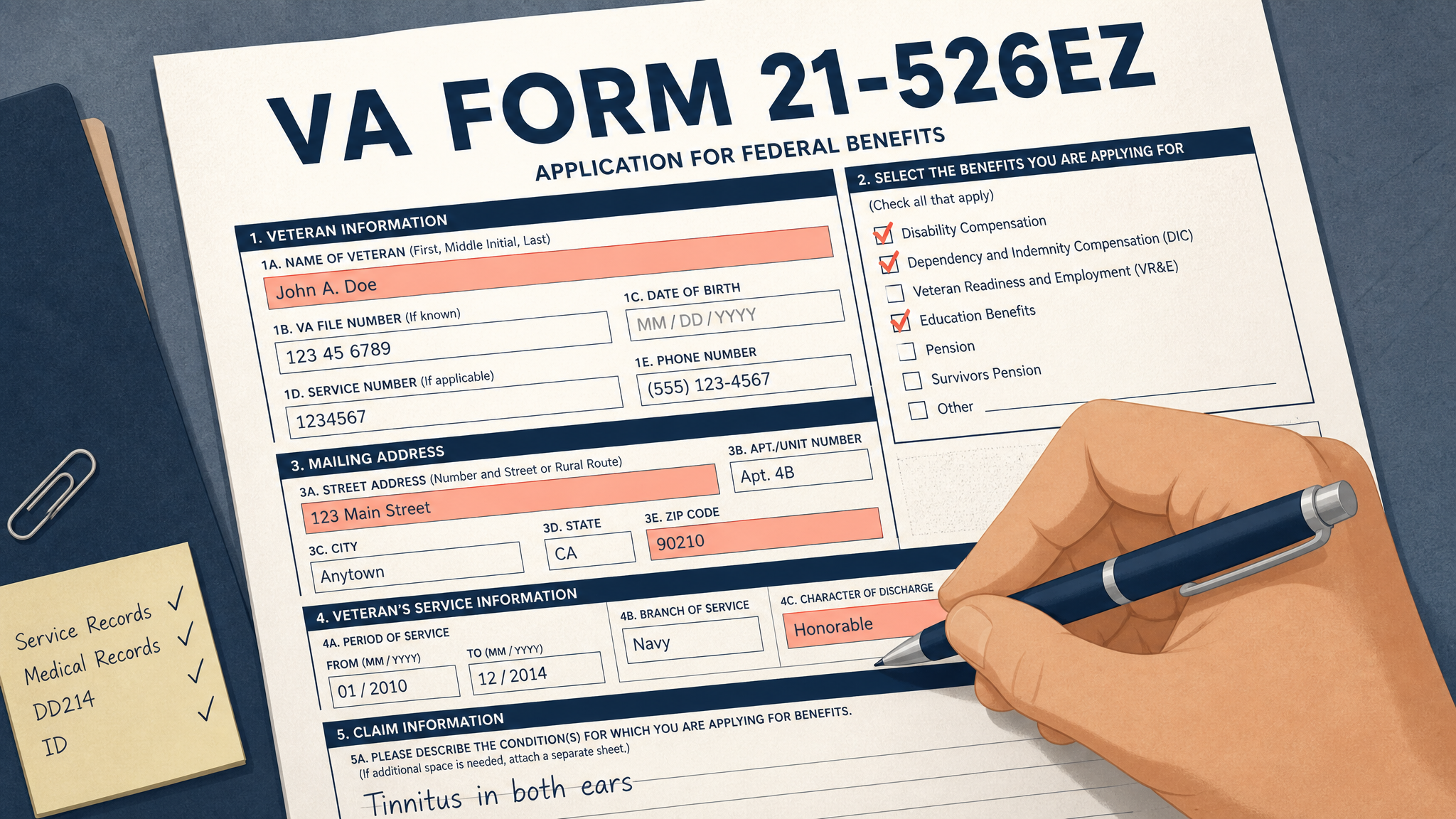
FIG. 02 - Fill out the form
Get a plan
Involve VA occupational therapy
A VA OT or the SAH/HISA staff at your medical center can spell out exactly which modifications qualify.
FIG. 03 - File the claim
File the form
Apply with VA Form 26-4555
Submit for SAH or SHA online at va.gov, by mail, or with free accredited help; request HISA through your VA medical center.
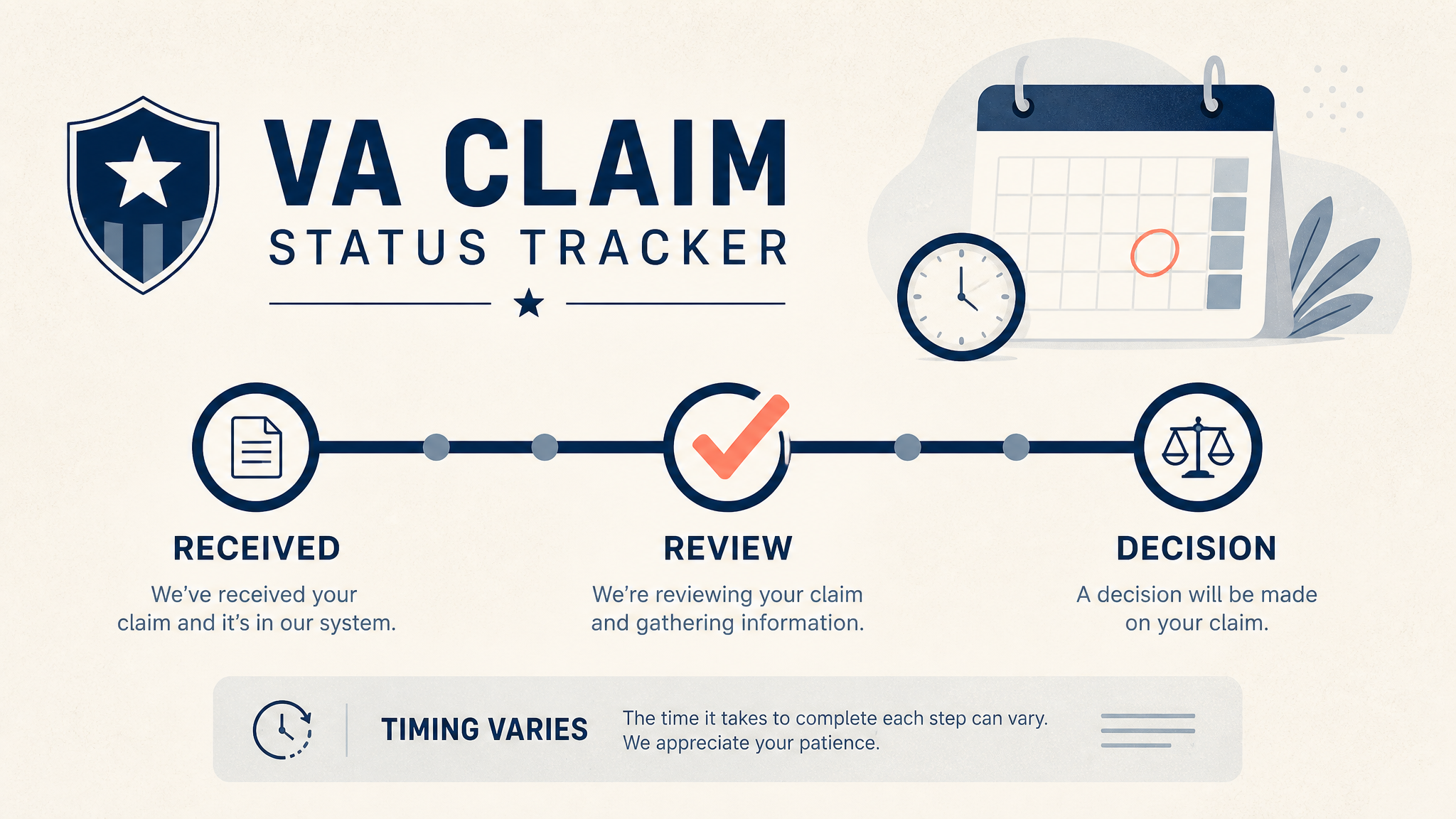
FIG. 04 - After you file
Use it in stages
Spread it out if you need to
Grants can often be used across stages and more than one home over your lifetime, up to the program limits.
Who to call & where to go
These are free, official VA lines. Have your Social Security number handy when you call.
VA Home Loans & Housing Grants
Home loan guaranty and adapted-housing grants (SAH/SHA).
VA Benefits Hotline
Compensation, pension, and general claim questions.
Rather have us handle it?
No phone tag, no hold music. Call our office and a real, VA-accredited person walks you through it - start to finish.
702-992-4883Download the forms
Not sure where to start?
Apply for SAH or SHA with VA Form 26-4555 - online at va.gov, by mail, or with free accredited help. The HISA grant is requested through your VA medical center with a prescription from your VA provider. You can often use a grant in stages and across more than one home over your lifetime, up to the program limits.
More benefits for veterans
These often go hand in hand - tap any card to learn more.


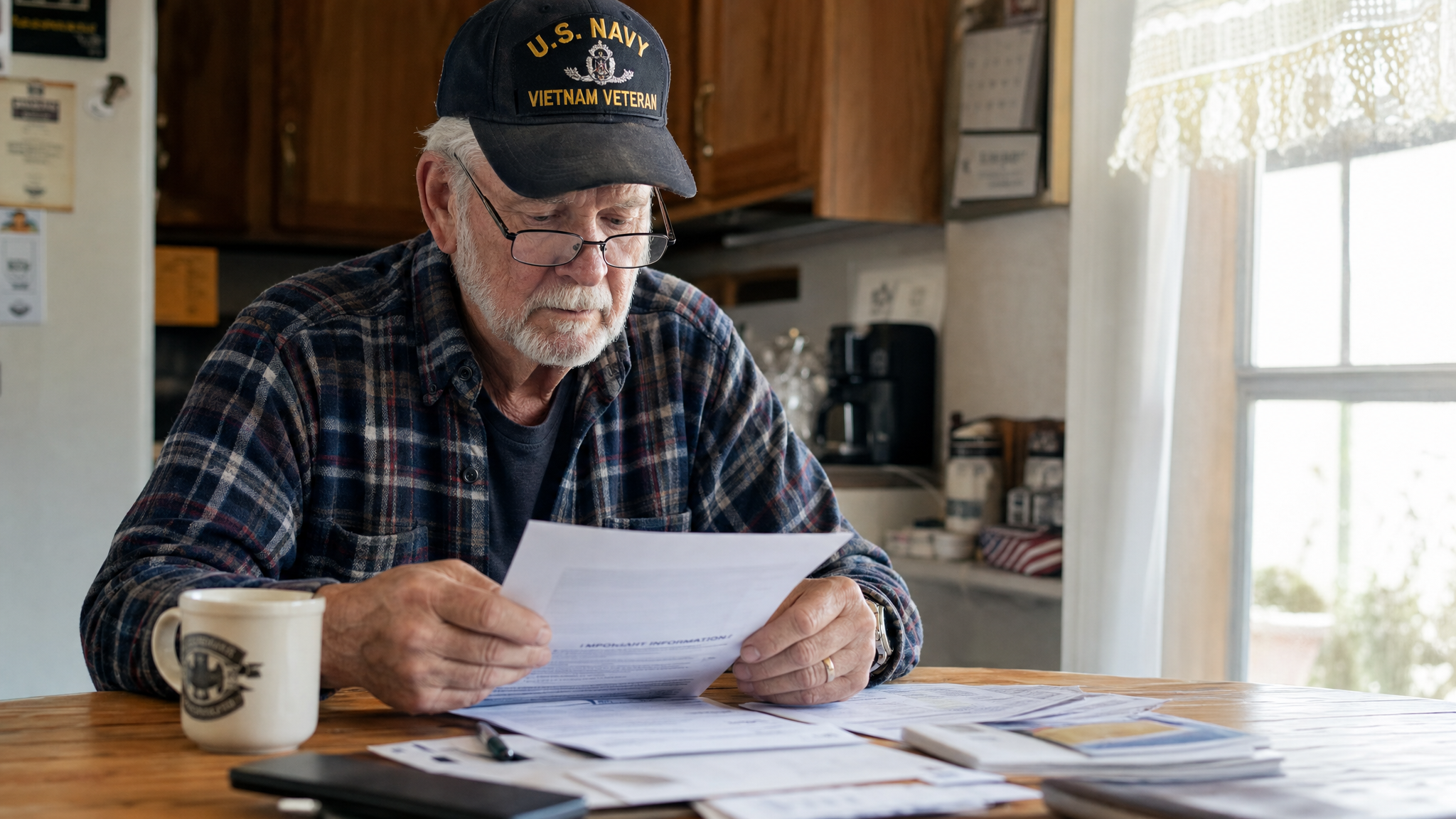
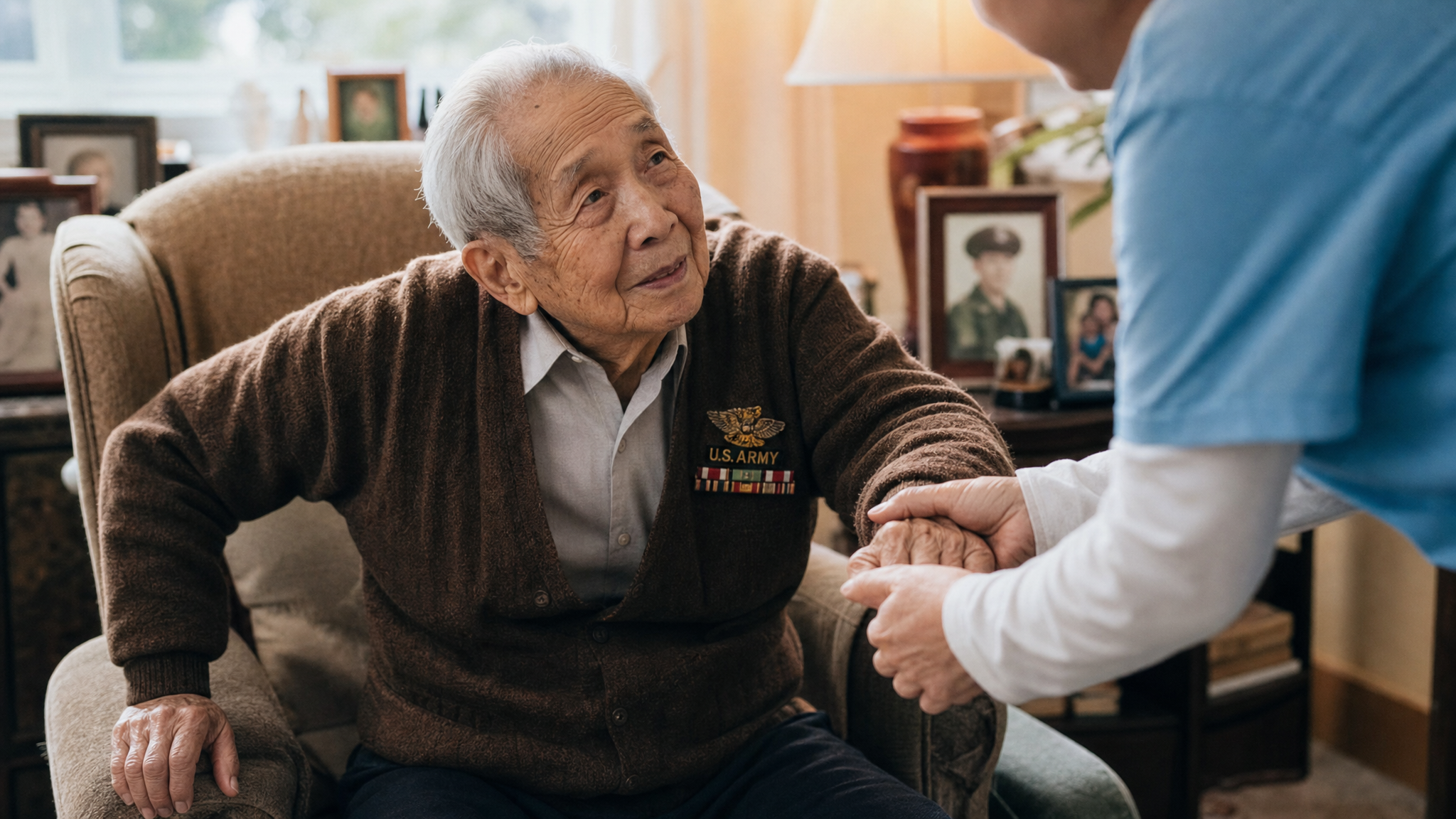
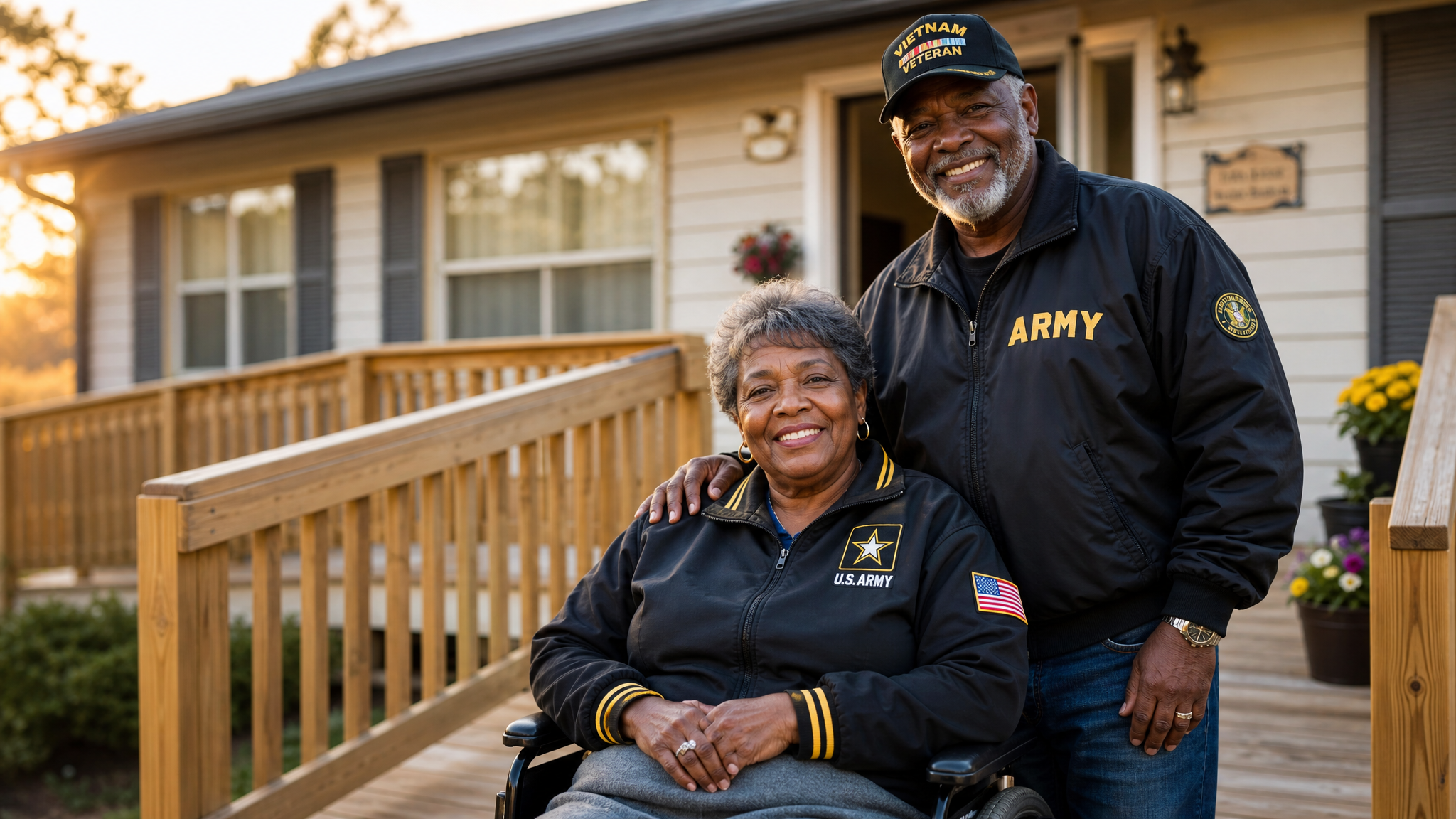
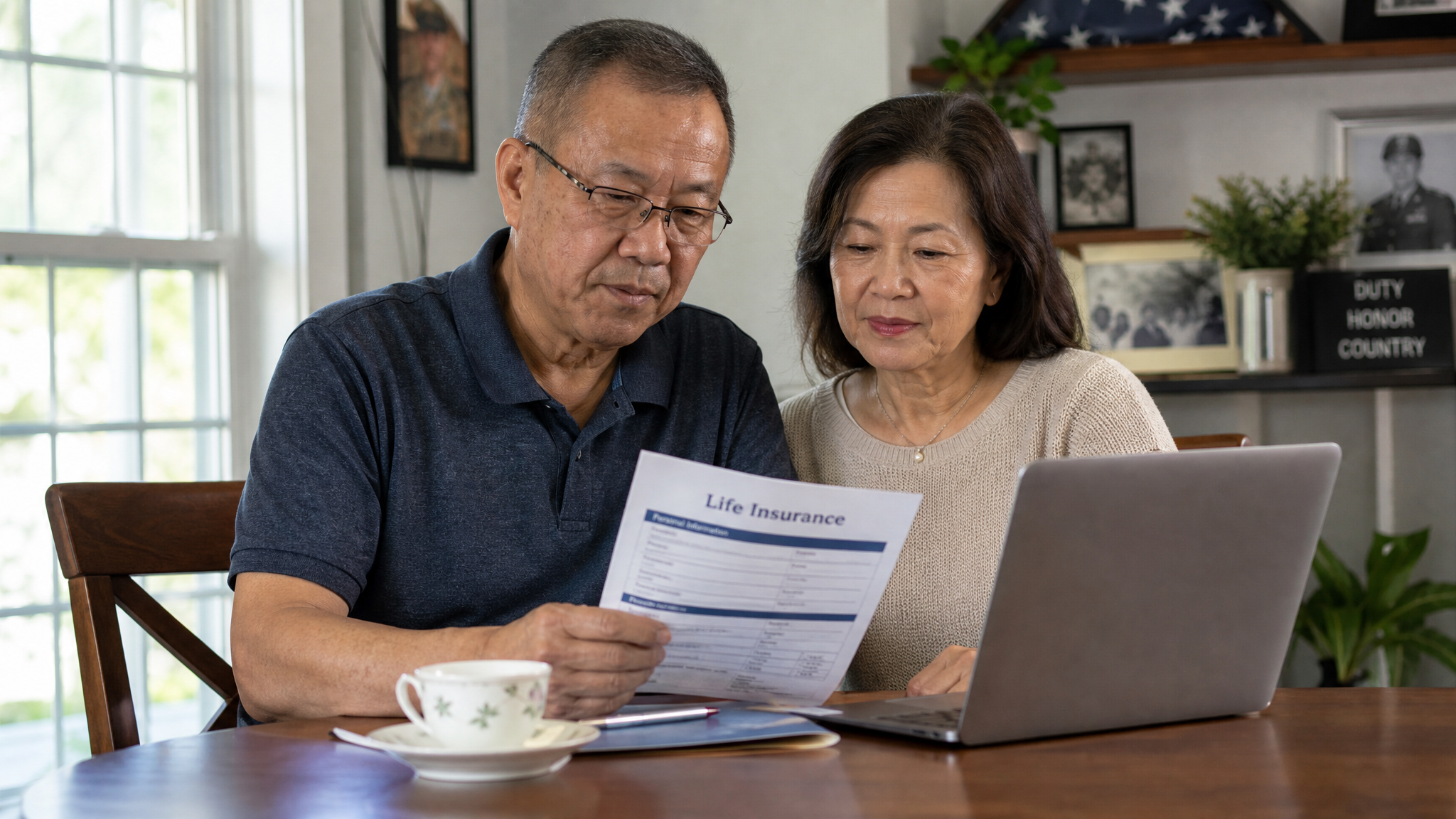











Free information — get a free benefit review
Tell us how to reach you and an accredited team member will help you understand this benefit and claim everything you have earned. No cost, no obligation.
Ready to hire us? Register with us
For veterans who’ve decided they want us on their claim — registering is free too, and it does not make you our client or obligate you to anything. Here is exactly how it works:
- You register. This simply starts the conversation — you are not our client yet, and you owe us nothing.
- You sign and return VA Form 21-22a. It appoints us as your accredited representative and gives us access to your VA file.
- Once we have your signed 21-22a and access to your case, we verify everything is in order.
It involves the registration form and signing VA Form 21-22a — by law we can’t accept your claim, work on it, or contact the VA for you until that power of attorney is signed. You decide whether to move forward.
Answers, in plain language
Common questions about Adaptive Housing Grants (SAH, SHA & HISA)
What is Adaptive Housing Grants (SAH, SHA & HISA)?
Adaptive housing grants pay to modify a home so a disabled veteran can live in it safely and independently - roll-in showers, widened doorways, ramps, and lowered counters. This is money you never repay, and it is a completely different benefit from the VA home loan. For an aging veteran who wants to stay in their own home instead of moving to a facility, it can be life-changing.
Who qualifies for Adaptive Housing Grants (SAH, SHA & HISA)?
This benefit is generally for: Veteran, Service member. Grant money (not a loan) to build, buy, or remodel a home for accessibility Roll-in showers, grab bars, widened doorways, ramps, and lowered counters
How much does Adaptive Housing Grants (SAH, SHA & HISA) pay?
The VA home loan helps you buy or refinance a house, and you pay it back. Adaptive housing grants are different - they are money the VA gives you to make a home accessible, and you do not repay it. You can use both benefits. A veteran can buy a home with a VA loan and separately receive a grant to adapt it. These grants exist so that a disability does not force you out of your own home. They are authorized under 38 USC Chapter 21 and 38 CFR 3.809.
How do I apply for Adaptive Housing Grants (SAH, SHA & HISA)?
Apply for SAH or SHA with VA Form 26-4555 - online at va.gov, by mail, or with free accredited help. The HISA grant is requested through your VA medical center with a prescription from your VA provider. You can often use a grant in stages and across more than one home over your lifetime, up to the program limits.
What does it cost to get help with Adaptive Housing Grants (SAH, SHA & HISA), and are you VA-accredited?
People hear "housing help" and assume we mean the home loan - but that is a loan you repay. These are grants you do not. The two are entirely separate, and a veteran can use both. If getting around your home is becoming a struggle, this is one of the most valuable and most overlooked benefits available. It is free to talk with us, and no one may charge you to file a first-time VA claim. The Aging Veteran is led by Albert L. Thombs Jr., a VA-accredited claims agent (accreditation #45147) and disabled veteran; any appeal work is handled on a no-fee-unless-you-win basis. We are an independent accredited practice and are not affiliated with, or endorsed by, the U.S. Department of Veterans Affairs.