If someone is helping care for you, VA caregiver support may be available right now. No rating, no era rule, and no long application.
You are not too old for this, and you did not miss your shot. If you have reached the point where a spouse, friend, daughter, son, or neighbor is helping hold the whole thing together, it is worth knowing that VA caregiver support can start with one phone call.
A lot of veterans never hear about this until they are already worn down, and so is the person caring for them. That is the hard truth. The good news is there is no age limit, and this particular help does not make you run an obstacle course first.
What PGCSS actually is
PGCSS is support for the caregiver, not a compensation claim and not a prize for having the right rating. It is General Caregiver Support Services, and it exists to help the person doing the day-to-day work of caring for a veteran enrolled in VA health care.
That means training, counseling, support, and help finding a break. Not a parade. Not a stack of forms. Just practical help for real life.
- No disability rating required
- No service era requirement
- No application to fill out
- No waiting on a decision letter
If you served in Korea, Vietnam, the Gulf, post-9/11, or somewhere in between, this can still apply. If you are thinking, "Nobody told me, so I must have missed it," no, you did not. You do not age out of VA benefits, not this one and not the rest of what you earned.
Who can use it, and who can be the caregiver
The veteran only needs VA health care enrollment. That is the gate here. Not a service-connected rating, not a certain percentage, not a certain war.
The other thing veterans miss is who counts as a caregiver. It does not have to be your wife, husband, or adult child. A friend or neighbor can count if that is the person doing the work.
That matters more than people realize. A lot of older veterans live alone, keep family at a distance, or lean on the same one or two people without ever calling it caregiving. If somebody is helping you manage the load, this may be for them too.
What kind of help your caregiver may get
This program gives caregivers tools and backup. That is the whole point. Caring for a veteran can wear a good person down fast, especially when nobody trained them and everyone expects them to just figure it out.
- Skills training built for family caregivers
- Self-care education so the caregiver does not burn out
- Individual counseling
- Caregiver support groups
- Peer mentoring from caregivers who have already been through it
- Help arranging respite care
- Connection to community resources
That peer mentoring piece matters. Sometimes the most useful person in the room is not the one with a title. It is the caregiver who has already lived it, already hit the wall, and already learned how to keep going without falling apart.
What this program does not do
PGCSS does not pay a stipend. That is the honest caveat, and I would rather tell you straight than dress it up with brochure language.
The trade-off is that the requirements are very light. No long application. No waiting months for somebody to decide whether your life is difficult enough. No rating requirement.
So if your first question is, "Will this pay my caregiver?" the answer here is no. If your next question is, "Will it train them, support them, give them somebody to call, and help them get a break this week instead of six months from now?" that answer may be yes.
And for plenty of families, that matters right now. Not in theory. Now.
How to start, without making it harder than it is
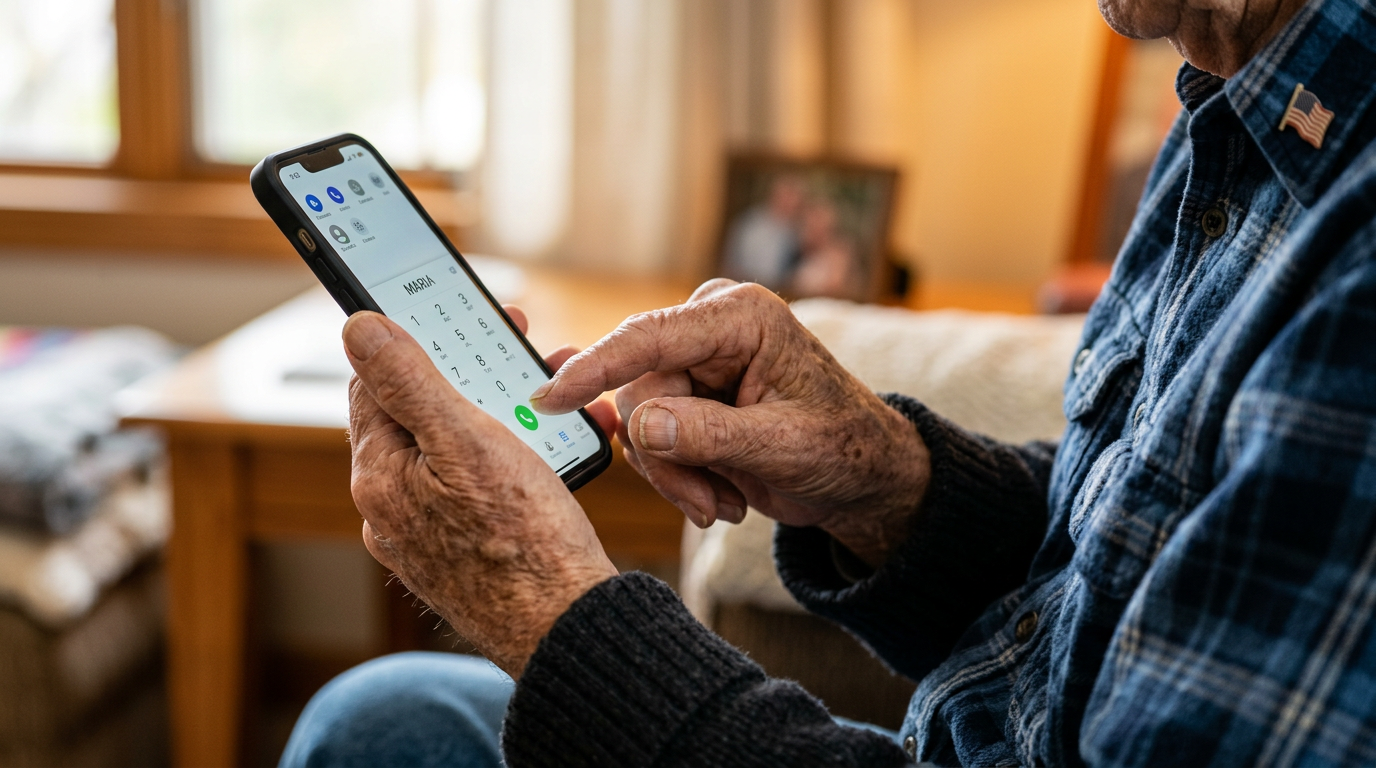
Start with one phone call. That is it. You do not need to wait until things are worse, and you do not need to build a perfect file folder first.
- Call the VA Caregiver Support Line at 1-855-260-3274.
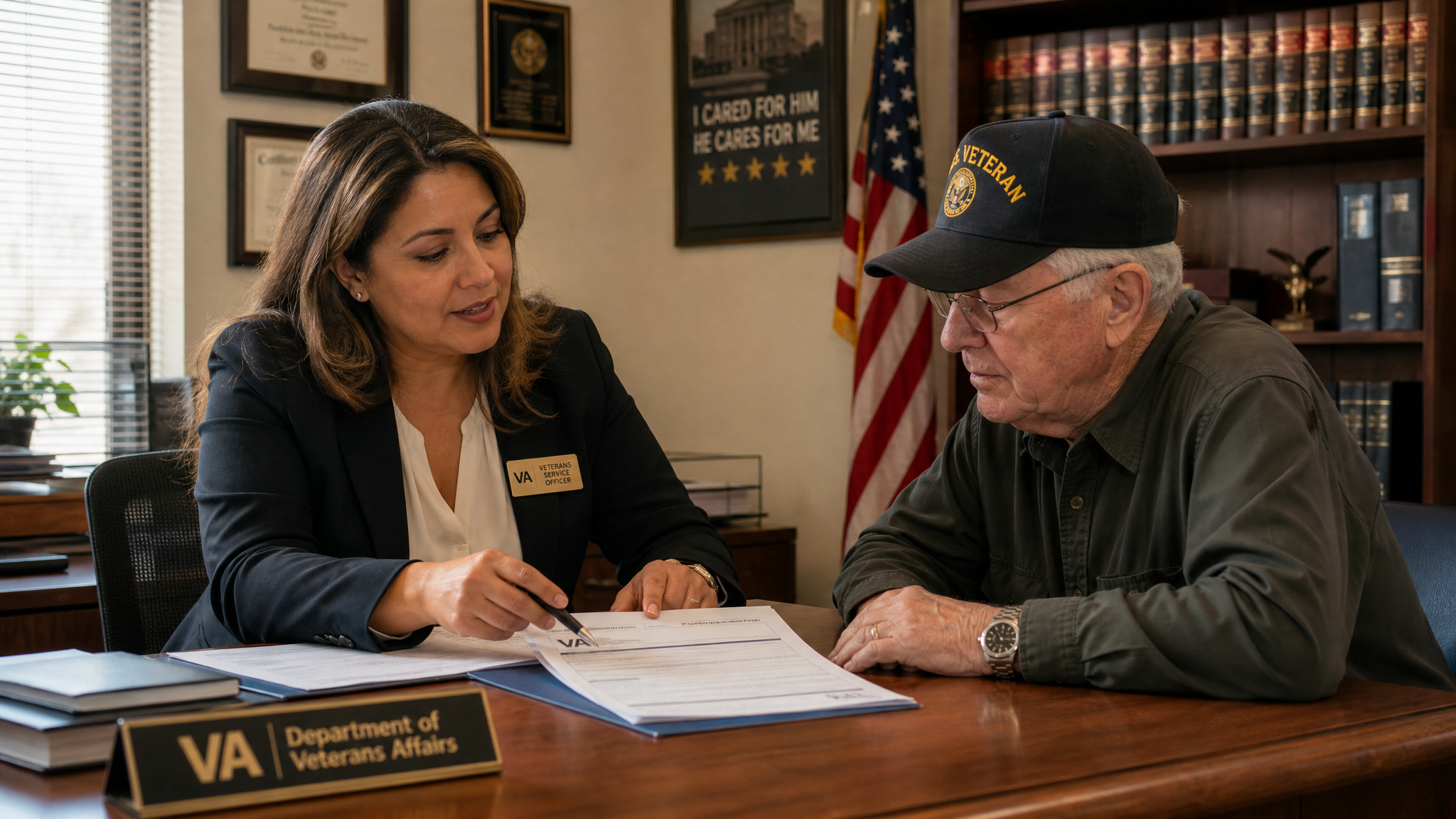
- Or ask for the Caregiver Support Coordinator at your VA medical center.
- Confirm the veteran is enrolled in VA health care.
- Explain who is providing the care and what kind of help is needed.
There is no form to start this process, and there is no decision letter you have to sit around waiting for. That is one reason this benefit gets overlooked. Veterans assume anything useful from the VA must come with a 40-page packet and a headache. Sometimes, for once, it does not.
If you want the full detail after you read this, see our full page at /caregivers/pgcss.
Why this matters more for older veterans
Caregiver support protects the whole family. Too many veterans think they are saving everyone trouble by staying quiet. They are not. They are just making one exhausted person carry more weight in silence.
This is where that old belief does damage. "I will deal with it when I really need care." That sounds tough. It is not smart. Getting support while you can still explain what is going on, keep appointments, and speak up for your caregiver is an advantage.
And let me say the big one plainly, because veterans need to hear it in plain English: there is no VA benefit you age out of. Not one. The VA does not care whether you are 45, 65, or 85. It cares whether you meet the rule for the benefit.
PGCSS is one of the easiest places to start because the rule here is simple. Enrolled in VA health care, caregiver needs support. That is why awareness matters. You may have been entitled to this kind of help for years and never told.
Your next move, and a little straight talk
Do not talk yourself out of simple help. Veterans do this all the time. They assume someone else needs it more, or they tell themselves it is too late, or they do what veterans do best, suffer quietly and call it independence.
Meanwhile the spouse, friend, or family member carrying the load gets more tired, more isolated, and more likely to break down. Then everybody pays for the delay.
Your job is simple. Make the call. Ask the question. Let the caregiver in your life get the training, support, and breathing room that may be available. Your claim, care, and records are still your responsibility, but that does not mean you have to do every part of this alone.
This article is general educational information only. The Aging Veteran is not the VA, is not part of the federal government, and this is not legal, medical, or financial advice. If you want free, no-pressure help understanding benefits, Albert L. Thombs Jr., VA-accredited claims agent #45147, and his team are here when you are ready at 702-992-4883. Your privacy matters, and nobody is going to pressure you.
A quick, honest note
This article is general information, not legal advice, and every rate or example is an estimate. Your own claim depends on your records and the facts the VA finds. Albert L. Thombs Jr. is a VA-accredited claims agent (accreditation #45147). If you would like a real person to look at your situation, you are always welcome to reach out - there is no cost to ask.