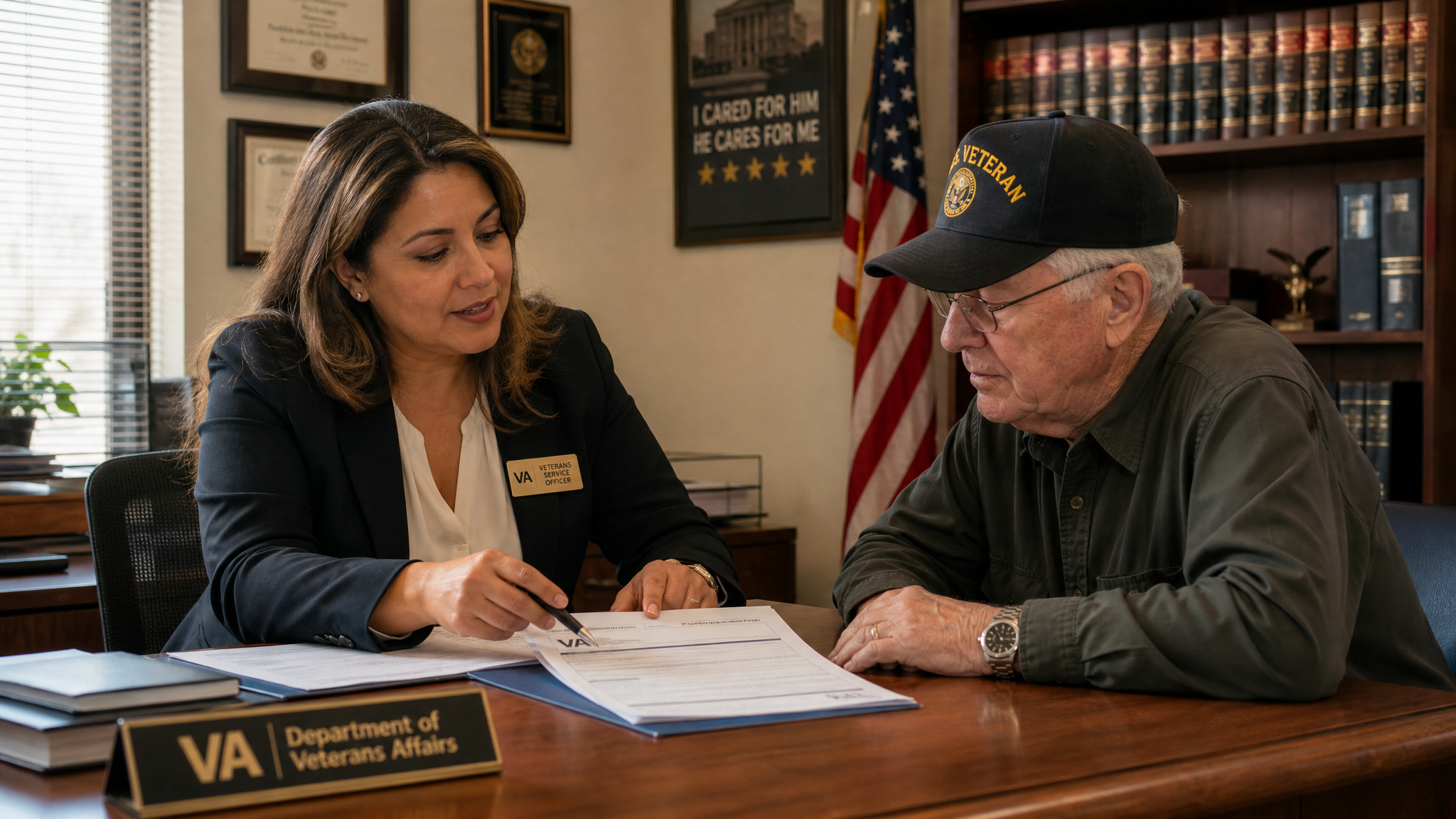
There is no age limit and no deadline on a first VA claim. The key is building the evidence before you file, so the VA has less room to deny you.
If you are in your 50s, 60s, 70s, or beyond and thinking, "I should have done this years ago," you are not alone. A lot of veterans were never told what they earned, got denied once, or quietly decided they were too old to start now.
No veteran ages out of VA benefits. Not one. The trick is not age, it is evidence, and the best time to start building it is while you can still gather records, get to appointments, and tell your story clearly.
What actually wins a claim is not age, it is evidence
The VA looks for evidence, not birthdays. You do not lose the right to file a first claim because you waited a long time, and there is no deadline on a first claim.
That said, the VA is not going to call you up and explain what is missing. The system may feel like it is waiting for you to trip over your own boots, and too many veterans help it along by filing half-built claims and hoping the VA will sort it out. It usually does not work that way.
Every claim lives or dies on the record. The core idea is simple, a current diagnosis, an in-service event or illness, and a link between the two, plus a real history of symptoms and treatment over time.
The five kinds of evidence the VA accepts
The VA accepts five types of evidence. If you know these five buckets, you know what your job is before you file.
- Military records, including records that show where you served, what happened, and what duties you performed.
- Medical records, both VA and private, showing diagnosis, treatment, symptoms, and progression.
- Personal or lay statements, where you explain what happened and how the condition affects you.
- Buddy statements, from people who saw the event, the injury, or the change in you afterward.
- Expert medical opinions, often called nexus letters, that connect your current condition to service.
This is where older veterans often get stuck. They think, "I do not have one perfect record from 40 years ago, so I must be done." Wrong. A strong claim is often built from several kinds of evidence working together.
Your service treatment records matter, but missing records do not kill the claim
Service Treatment Records are the foundation. They can document injuries, complaints, treatment, and conditions that started during active duty.
But let us say the records are missing, thin, or never properly created. That happens. Missing records do not end your claim, and veterans need to stop talking themselves out of benefits just because the paper trail is incomplete.
When records are missing, the VA is supposed to seek alternative documentation. That can include buddy statements, secondary evaluations, and other records that help show what happened and how it connects to your condition now.
No, it is not ideal. Yes, it is still workable. The answer is not to quit, it is to build the record from every angle you still can.
How to build the file before you file the claim
Gather your records before filing. That one move alone can save you a pile of frustration.
- Get your VA medical records and your private treatment records.
- Review your Service Treatment Records and any other military records you have.
- Write a detailed personal statement explaining what happened in service, when symptoms started, and how the condition affects daily life.
- Ask family, friends, or former service members for buddy statements if they saw the event or the changes in you.
- If appropriate, get an expert medical opinion that explains the connection to service.
Then file your claim on VA Form 21-526EZ. If you want the VA to request private records for you, use VA Form 21-4142, but if you can get those records yourself and submit them, that may be faster depending on your situation.
The hard truth is simple. The VA has a duty to assist, but they will not build your case for you. The veterans who tend to do best are the ones who treat this like a job and submit a complete, organized package.
The one-year evidence window matters more than most veterans realize
You have up to one year to submit more evidence after the date you file. That matters because some veterans think the door slams shut the moment the claim goes in. It does not.
If the VA makes a decision before that year is up, you can still submit more evidence during the remaining one-year period. That does not mean you should file sloppy and sort it out later. It means you have room to strengthen the record if needed.
If you are filing a Supplemental Claim after a denial, you submit new evidence with VA Form 20-0995. And if you are authorizing release of private records, that is still VA Form 21-4142.
This is also where one of your best weapons comes in, Duty to Assist under 38 U.S.C. 5103A and 38 CFR 3.159. The VA must help develop the claim, but you still need to give it something real to work with.
What happens if you wait and keep doing nothing
Every gap in your evidence is an opportunity for denial. That is not drama, that is how the system works.
No doctor visits means no medical history. No statement means someone else tells your story badly, or not at all. No records means the examiner and rater, the two weak links you do not control, get to make fast decisions from a thin file.
And this is the part veterans hate hearing, but need to hear anyway. Waiting until you are much sicker, more exhausted, or no longer able to chase records does not help you. Filing while you can still attend exams, answer letters, and explain your worst days is a real advantage.
This is not just about monthly compensation, which is always an estimate depending on your situation and the VA's final decision. Service connection can affect health care, family planning, and other benefits that may matter to your spouse or survivors later on.
Do the homework now, because this is your claim
Do not wait for the VA to tell you what is missing. Be proactive. Build the file first, then file the claim.
One condition at a time is still the right mindset. You do not need to chase a magic number or throw spaghetti at the wall like we are decorating a mess hall. Build the strongest case you can for each condition, based on honest evidence.
If you want the full step-by-step breakdown of the evidence types, forms, and strategy, read our full guide here: /benefits/gathering-evidence.
This is general educational information, not legal, medical, or financial advice, and The Aging Veteran is not the VA or part of the federal government. But it is plain-English help from people who know the system and know how often veterans were never told the rules in the first place.
When you are ready, free help is available from Albert L. Thombs Jr., a VA-accredited claims agent, accreditation #45147, at 702-992-4883. No pressure, no sales pitch, and your privacy matters here. If you were owed this years ago and nobody told you, that is not your fault. But building the record now, that part is your move.
A quick, honest note
This article is general information, not legal advice, and every rate or example is an estimate. Your own claim depends on your records and the facts the VA finds. Albert L. Thombs Jr. is a VA-accredited claims agent (accreditation #45147). If you would like a real person to look at your situation, you are always welcome to reach out - there is no cost to ask.