

1914 - 1918None remain
World War I
None remain
The last verified veteran, Florence Green of the United Kingdom, died in 2012. There are no living World War I veterans anywhere in the world today.
All information & resources here are free. Optional accredited representation is a paid service - and upfront fees for an initial VA claim are never allowed.
Living veterans by era
From the last of the World War II generation to the millions who served after 9/11, each era is a living link to our history. Here is roughly how many veterans from each era remain, and why reaching them and their families matters now. Benefits earned decades ago do not expire, yet countless older veterans never claimed them. The sooner a family understands what is still on the table, the more of it they can actually put to use.
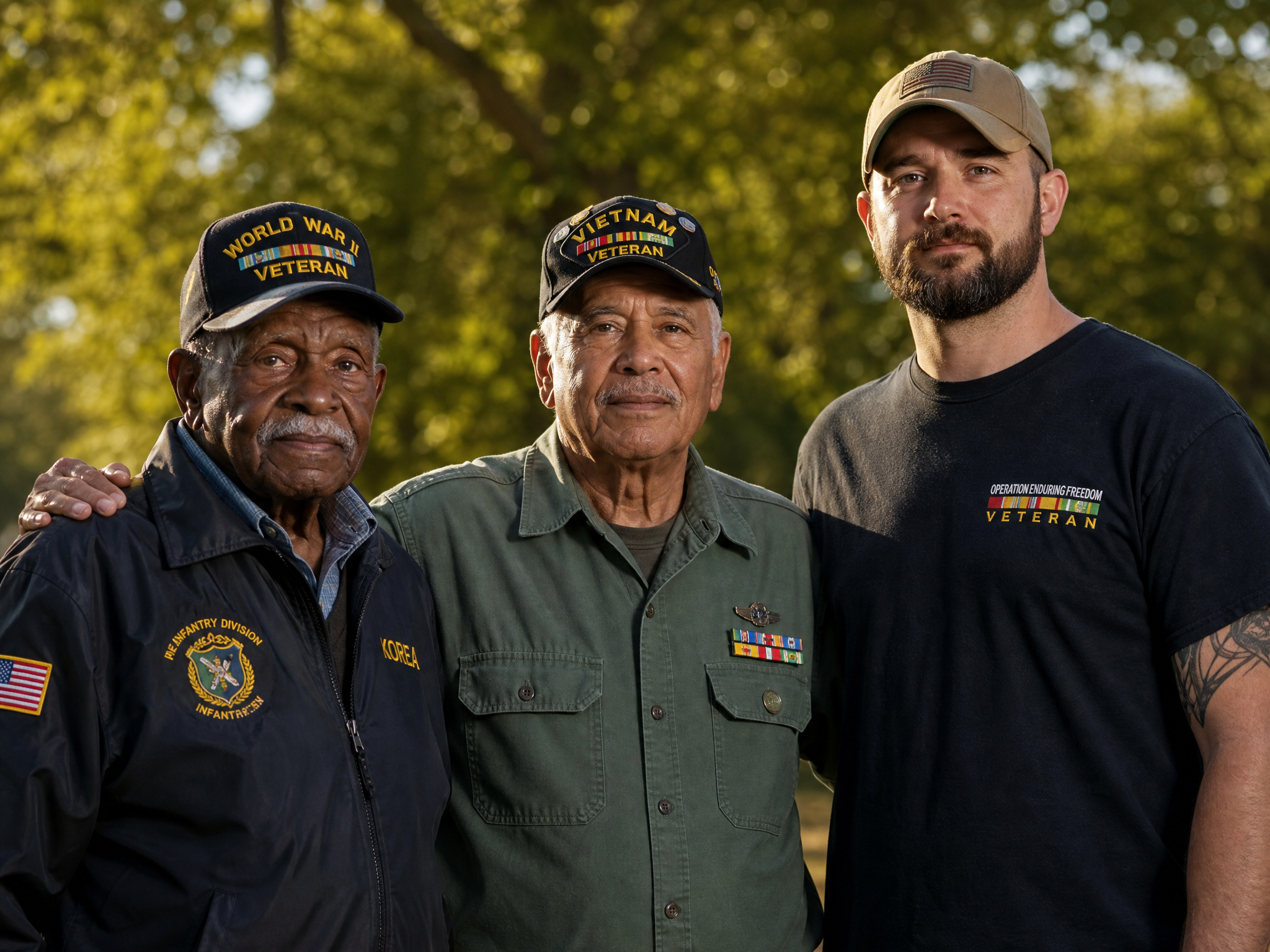
Each generation of veterans is a living link to history, and every one of them earned the same promise of care. These approximate figures show how quickly our earliest veterans are leaving us, and why reaching them and their families matters right now. Time is the one thing we cannot get back once it is gone. Find your era below, because the benefits and the story behind each generation are not the same.
None remain
The last verified veteran, Florence Green of the United Kingdom, died in 2012. There are no living World War I veterans anywhere in the world today.

~66,000 in the U.S.
Roughly 60,000 to 120,000 are believed to be living worldwide as of 2024-2025, and the number is falling fast. In the United States about 66,000 remain, with an estimated 130 passing away each day.

~1 million or fewer
Several hundred thousand are living globally. In the United States roughly 1 million or fewer remain, most now in their 90s.

~5.5 million in the U.S.
Around 5 to 6 million living veterans worldwide, the great majority in the United States at roughly 5.5 million.
Millions more
Millions more served in the Gulf War and the wars in Iraq and Afghanistan. This group is generally much younger and still active in everyday life and the workforce.
These figures are approximate estimates that change constantly as veterans age. They are offered to show how quickly our earliest generations are leaving us - not as official counts. For current numbers, see the VA's National Center for Veterans Analysis and Statistics.
For the families they left
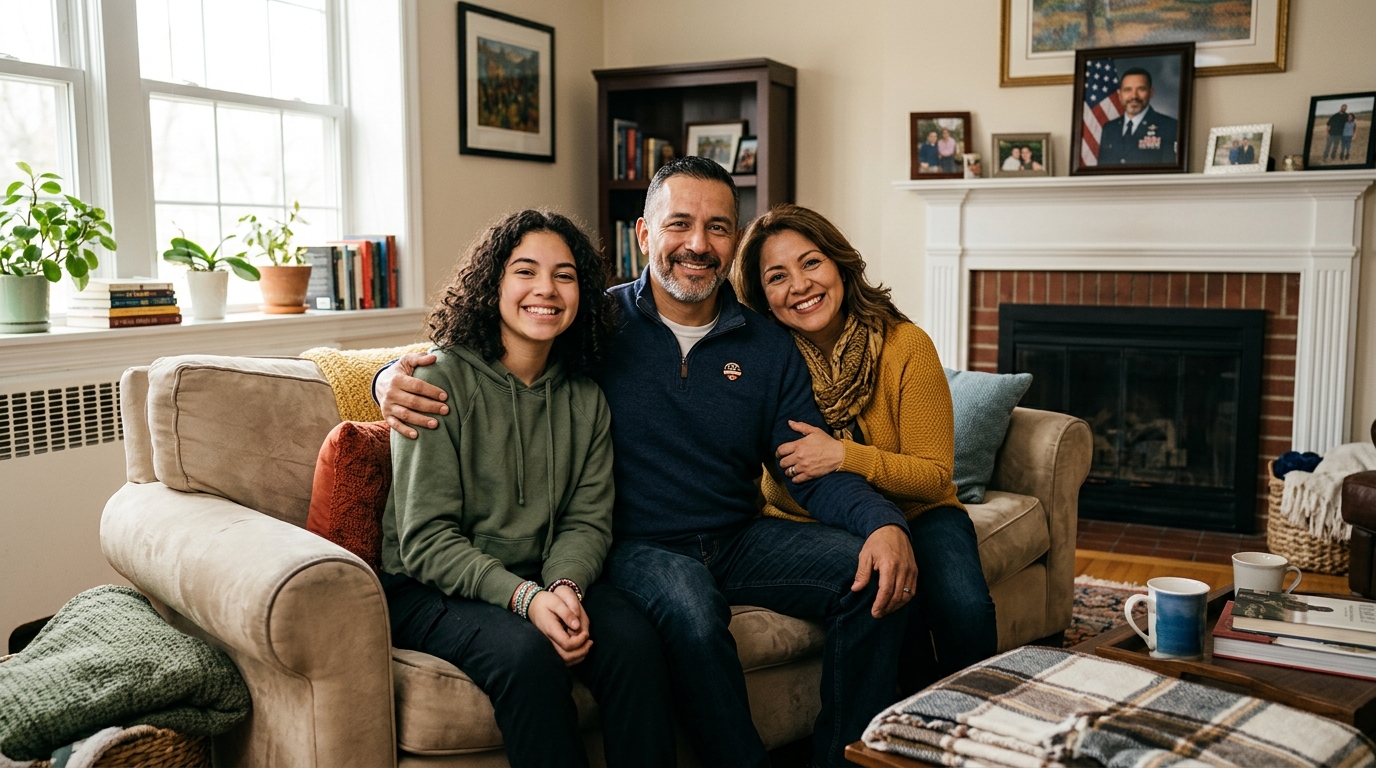
The passing of a veteran does not close the door on VA benefits. Surviving spouses, children, and sometimes parents may still be entitled to monthly payments, health care, education help, and burial honors - and there is often no strict deadline to file. If you have lost a loved one who served, it is worth checking what remains available to your family.
Explore survivor & family benefitsInformation only - not legal advice
For information purposes only - this is not legal, financial, or medical advice. The Aging Veteran is a private service and is not part of, or endorsed by, the U.S. Department of Veterans Affairs. Benefits are subject to VA eligibility rules. Always confirm your specifics on va.gov or with a qualified professional.
Two ways to move forward — both free
Benefits do not always end when a veteran passes. Ask our free assistant what your family may still be entitled to claim, from survivor pension to Dependency and Indemnity Compensation. Even years later, some of these can still be filed and paid. There is no cost to find out, and no obligation to go any further.
Ask a question, learn what you may be owed, or find out where you stand. Confidential, free, and no obligation to go any further.
Decided you want us to work your claim? Registering is free — we match you with an accredited advocate and get you started. We cannot begin until you sign VA Form 21-22a, and fees, if any, are always disclosed up front.
It is not too late
Far too many veterans - older veterans most of all - decide on their own that they are too old, that they waited too long, or that because nobody ever gave them the information they must be out of the game. Nothing could be further from the truth. When you file a disability claim, the VA does not look at your age. There is no age limit and no deadline on filing a first claim, and veterans in their fifties, sixties, seventies and beyond are approved every single day.
That is the entire point of this website: to make you aware of the benefits you are entitled to right now, as an aging veteran, so you can protect your health, protect your family, and protect your benefits. So do not give up, do not talk yourself out of it, and do not wait until you are no longer able to seek care. The best day to start was years ago. The next best day is today.

“I’m too old for this.”
There is no age limit on a VA claim. The VA does not look at your age - it looks at whether your condition is connected to your service.
“I waited too long, so I missed my chance.”
There is no deadline to file a first claim. You can file decades after you separated, and your effective date starts protecting you the day you file.
“I never got the information, so I’m out of the game.”
Nobody handed most veterans a list of what they earned. That is exactly why this site exists - the facts are here, in plain language, at no cost.
“I’ll deal with it when I really need care.”
Do not wait until you are too sick to fight for it. Filing while you can still gather records and attend exams is the single biggest advantage you have.
Both options are free · No obligation
Talking to a VA-accredited claims agent costs nothing either way. Pick the one that fits: get answers to your questions, or register to hire us to take on your claim.
Free information — just ask
Tell us what’s going on or what you’d like to know. We’ll read your question and get back to you personally — no cost, no obligation.
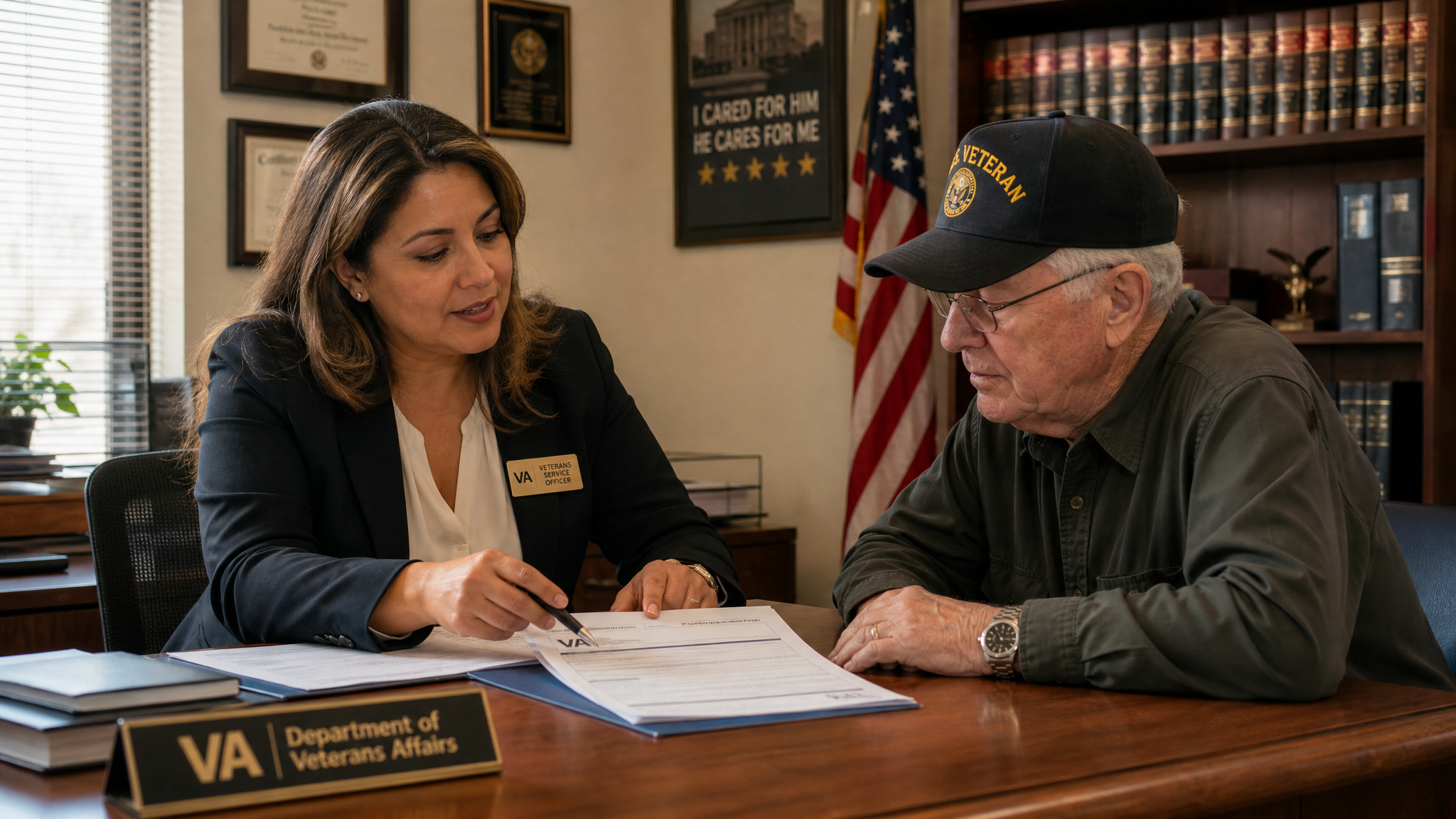
Ready to hire us? Register with us
For veterans who’ve decided they want us on their claim — registering is free too, and it does not make you our client or obligate you to anything. Here is exactly how it works:
It involves the registration form and signing VA Form 21-22a — by law we can’t accept your claim, work on it, or contact the VA for you until that power of attorney is signed. You decide whether to move forward.
An accredited agent personally reviews every request — we’ll reach out within 48 hours.